




By: Nkosiyabusa Nsibande
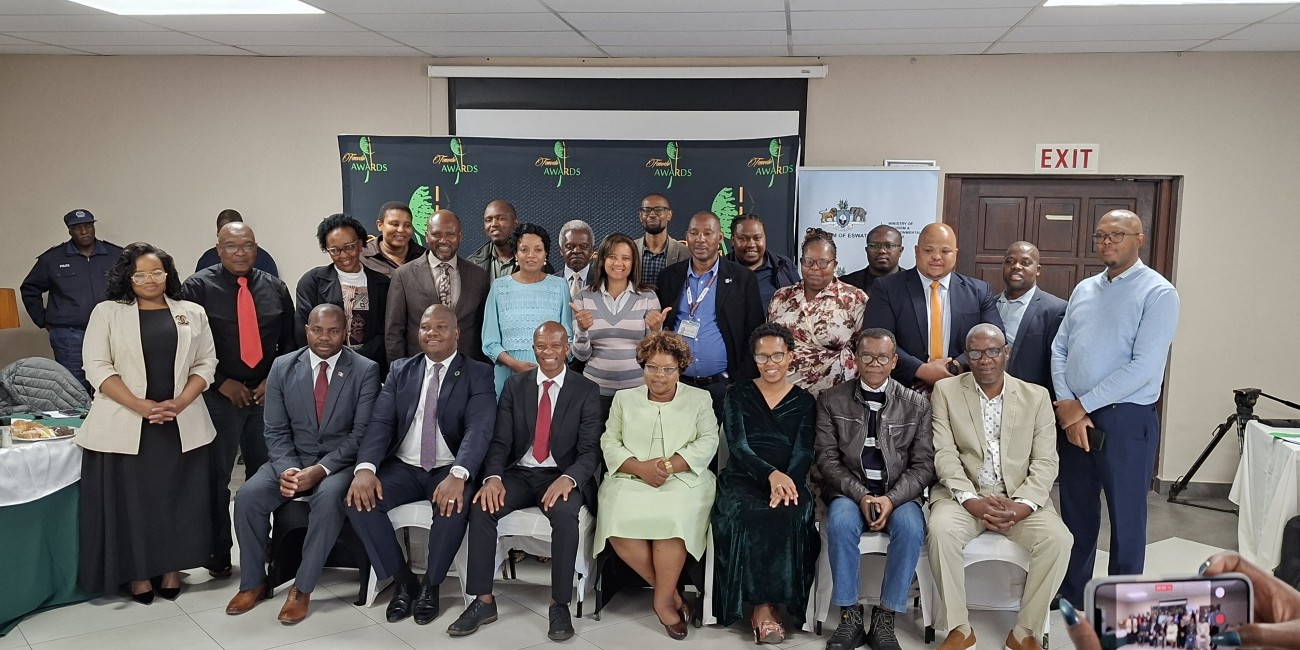
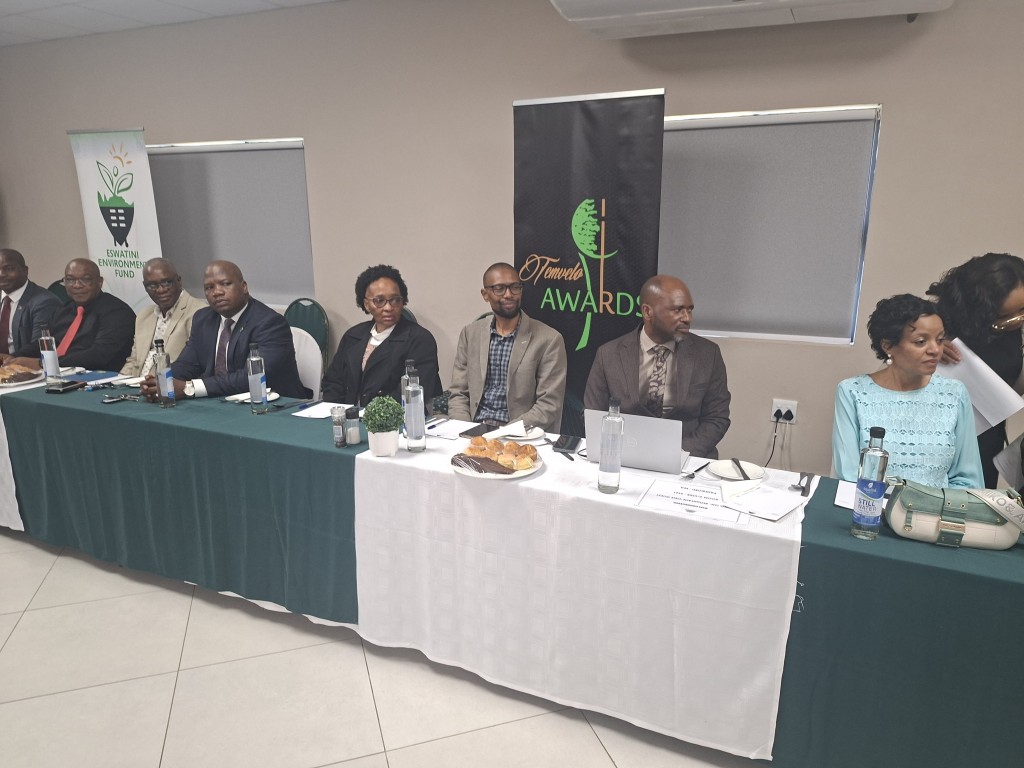
Eswatini is looking at the economic potential of electronic waste as the country explores ways of building a more sustainable and commercially viable waste-management industry. The Eswatini Environment Authority (EEA) joined a Southern African regional delegation on a week-long study tour in South Africa from 27 July 2026, examining how countries can develop systems that treat discarded electronic equipment as a source of recoverable materials rather than waste destined for landfill.
The study tour comes at a time when the growth of digital technology is increasing the volume and variety of electronic equipment entering households and businesses. Mobile phones, computers, appliances, solar equipment and batteries have relatively short replacement cycles, creating a growing stream of obsolete equipment. From a financial perspective, the challenge is not only how to dispose of these products safely, but also how to capture the economic value contained within them.
South Africa’s experience provided delegates with practical insight into the systems required to establish a functioning e-waste value chain. These included safe collection and handling, recycling, resource recovery, Extended Producer Responsibility (EPR) and circular economy models. Such systems can create opportunities at several stages of the value chain, from collection and transportation to dismantling, processing, refurbishment and the sale of recovered materials.
One of the most significant lessons is the commercial value that can be recovered from products that are normally considered obsolete. Metals, aluminium, glass and batteries can be separated and processed for further use, reducing the amount of material sent to landfill while creating potential revenue streams for businesses involved in recycling and recovery. For Eswatini, developing this market could support the emergence of specialised enterprises while reducing dependence on conventional waste-disposal systems.
The opportunity also extends beyond established recycling companies. E-waste management can create space for small businesses and young entrepreneurs to participate in collection networks, equipment refurbishment, component recovery, logistics and other support services. With appropriate technical training and access to finance, these activities could form part of a wider green-enterprise sector capable of generating income while addressing an environmental problem.
Extended Producer Responsibility could become particularly important as Eswatini considers how the financial burden of managing electronic products should be distributed across the value chain. Under EPR approaches, producers and importers can have greater responsibility for the products they introduce into the market, including their collection and end-of-life management. For businesses, this can introduce additional compliance costs, but it can also encourage investment in product recovery systems and create a more predictable market for recycling operators.

The circular economy model provides another important financial dimension. Instead of treating an electronic product as something that loses all value once the consumer stops using it, the model seeks to retain value through repair, refurbishment, reuse and recycling. This can reduce the demand for new raw materials and potentially create secondary markets for recovered components and materials.
For Eswatini, establishing such a system would require more than simply increasing the number of collection points. Investment would be needed in specialised equipment, technical skills, transportation, storage facilities, processing capacity and regulatory systems. Financial institutions and development partners could also have a role to play by supporting businesses seeking to enter what remains a developing segment of the green economy.
The study tour therefore carries implications beyond environmental protection. If the lessons from South Africa can be adapted to local conditions, e-waste could develop into a new area of economic activity, particularly for small and medium-sized enterprises. The financial viability of the sector, however, will depend on the volume of material available, the cost of collection and processing, the value of recovered materials and the regulatory framework governing the industry.

The broader opportunity lies in creating a domestic value chain in which electronic waste is collected locally, processed responsibly and converted into materials or products with economic value. Such an approach would allow Eswatini to retain more of the value associated with discarded electronics while reducing environmental risks associated with informal or uncontrolled disposal.
The EEA’s participation in the regional study tour signals growing recognition that environmental policy and economic policy are increasingly interconnected. As Eswatini pursues green growth, the management of electronic waste could become one of the areas where environmental protection, enterprise development, employment creation and resource efficiency converge.
The immediate task will be to translate the lessons from the South African experience into a practical framework for Eswatini. If supported by clear regulations, investment, skills development and private-sector participation, yesterday’s discarded electronics could become tomorrow’s source of materials, businesses and green jobs.