






By: Nkosiyabusa Nsibande
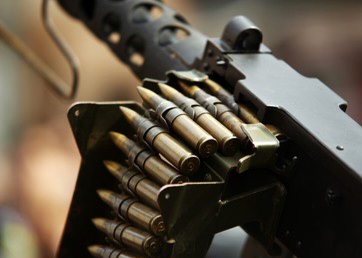
Not every significant number in a trade report announces itself through sheer size. Buried within the twenty-two product categories that make up the ERS Merchandise Trade Report for August 2026 is a line item that, in absolute terms, would barely register against the country’s E3.67 billion in total monthly imports, yet in percentage terms outstrips every other category by a considerable margin. That line item is HS Section XIX, arms and ammunition, and the figures attached to it are worth closer examination precisely because of how sharply they diverge from the report’s broader trend.
According to the ERS report, imports of arms and ammunition into Eswatini totaled E1.4 million in August 2026, up from E232,629 in August 2025, an increase of E1.16 million, or 499.75%, over the twelve-month period. To place that in context, no other HS section in the entire report, spanning categories from live animals to machinery to textiles, recorded a year-on-year percentage increase anywhere close to this figure. The next largest movement of any consequence was a 92.41% rise in mineral product exports, itself a substantial swing but one that appears comparatively modest set against a near sixfold increase in arms and ammunition imports.

The pattern is not confined to a single month. Cumulative fiscal-year figures for the period April to August 2026/27 show arms and ammunition imports reaching E11.6 million, compared with E979,466 over the equivalent five-month period a year earlier, an increase of E10.7 million, or 1,090.11%, according to the same ERS release. A category that imported less than a million Emalangeni across five months in the prior fiscal year has, in the current fiscal year, brought in over eleven times that amount. Regional data within the report adds further texture to the picture: imports from within the Southern African Customs Union alone rose from E798,875 to E5.2 million over the same cumulative period, a 556.62% increase, indicating that a meaningful share, though not the entirety, of the growth is being sourced from within the region rather than from more distant international suppliers.
The category in question remains one of the smallest in the entire import schedule, both in the single month and on a cumulative basis, and a percentage increase of this magnitude is considerably easier to produce when starting from a low base. An increase from roughly E233,000 to E1.4 million, while striking when expressed as a percentage, represents a change measured in the low single-digit millions of Emalangeni, a figure that would scarcely move the needle within categories such as mineral products or machinery, where monthly values run into the hundreds of millions. Readers should, therefore, treat the percentage figure as a signal worth investigating rather than as evidence, on its own, of a material shift in the country’s broader import profile or fiscal position.
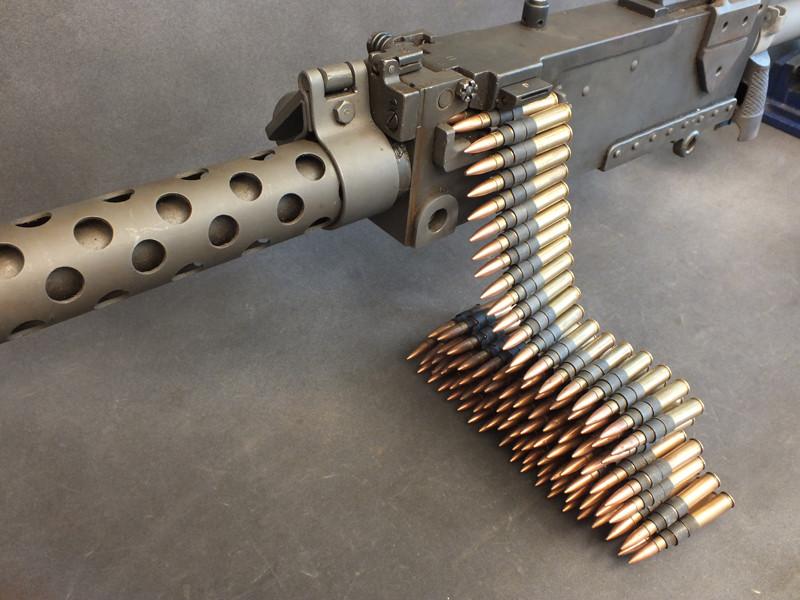
That said, there are legitimate reasons a figure of this nature merits attention beyond its size. Movements in officially recorded arms and ammunition imports can reflect a range of underlying developments, including scheduled procurement by state security or law enforcement agencies, changes in licensing or import permit activity among private commercial importers, or shifts in how particular shipments are classified for customs purposes from one reporting period to the next. Trade classification data of this kind does not, on its own, distinguish between these possibilities, and the ERS report offers no commentary on the source or purpose of the imports recorded under this heading. Readers with an interest in regional security spending, defense procurement cycles, or customs administration practices may find the trend worth monitoring across subsequent monthly releases, both to establish whether the August spike represents a sustained shift or an isolated event, and to see whether the pattern is corroborated by other publicly available indicators of government or security-related expenditure.
It is also worth noting, as with all figures drawn from this release, that the August 2026 data is classified by ERS as preliminary and remains subject to revision, a standard feature of monthly trade statistics that typically firm up over subsequent reporting cycles as customs records are finalized. Given how small the absolute values involved are relative to the rest of the trade schedule, even modest revisions could meaningfully alter the percentage figures cited here, a caveat that argues for tracking this category over several months rather than drawing firm conclusions from a single data point, however striking that data point may appear at first glance.

Other Articles

SACU Demand Drives Eswatini’s Chemical Exports With E951.9 Million in August
Eswatini’s Trade Account Swings E456 Million in a Single Year