





By: Nkosiyabusa Nsibande
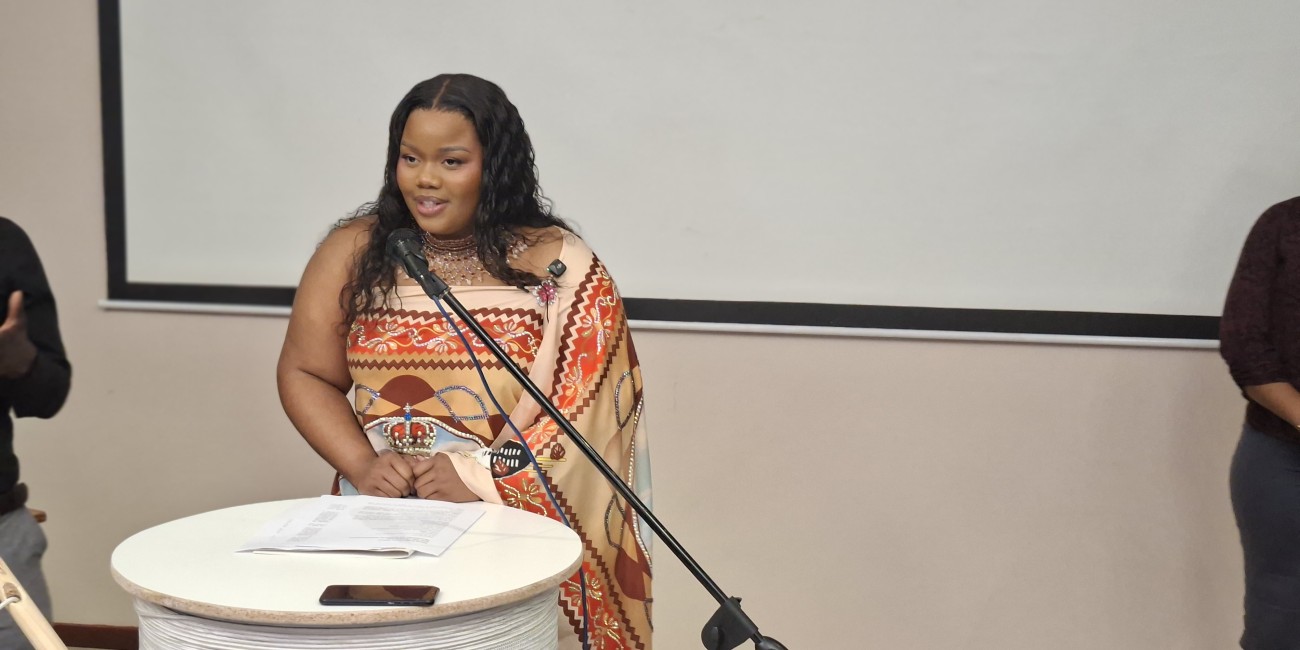
Her Royal Highness Princess Sakhizwe has challenged Eswatini’s creative industry to adopt a stronger commercial outlook, arguing that fashion, furniture, art, and design can contribute to economic growth when creativity is developed into competitive products and brands.
Speaking at the IP Runway, the Princess said Eswatini has a distinctive creative identity rooted in its culture, heritage, and imagination but warned that ambition must extend beyond producing attractive designs. “We need people who understand the international marketplace because ambition cannot stop at simply designing. We must design what the world wants to buy,” she said.
Her remarks place the creative sector within a broader business environment where intellectual property, branding, production capacity, consumer demand, and market access determine whether creative ideas can generate sustainable income. For designers and artisans, the commercial value of a product, therefore, extends beyond its physical appearance to include ownership of the design, the strength of the brand, and the ability to produce consistently for a paying market.
Princess Sakhizwe said she had made time to attend the event because of her belief in the potential of Eswatini’s creative industries. She cited her experience at the Standard Bank Luju Food and Lifestyle Festival, where she said she was impressed by the quality, creativity, and confidence displayed by local designers. She said local creatives possess qualities that international competitors cannot easily reproduce, particularly “our story, our heritage, our culture, and our imagination.”
That identity, she said, can become a competitive advantage if it is translated into products with commercial value. The challenge is to ensure that cultural creativity moves beyond festivals and exhibitions into sustainable businesses capable of generating revenue, creating employment, and accessing larger markets.
Intellectual Property as an Economic Asset
A significant part of Princess Sakhizwe’s address focused on intellectual property, which she linked directly to the commercial value of creative work. She described her experience with the Made in Eswatini trademark registration process as an important learning curve for herself and the team at A Peculiar People. The process, she said, demonstrated why businesses need to understand how their ideas, designs, and brands can be protected. “It gave us a much deeper appreciation of the importance of IP registration and what is required to protect an idea, a design, or a brand,” she said.
For creative businesses, intellectual property can form part of the asset base of an enterprise. Trademarks, designs, and other protected rights can strengthen brand ownership, support commercial partnerships, and create opportunities for licensing and expansion. Without adequate protection, businesses risk losing the economic value attached to original designs and concepts through imitation or unauthorized use.

Princess Sakhizwe described the Made in Eswatini brand as an economic resource and encouraged innovators, designers, entrepreneurs, and creators to engage with the Intellectual Property Office to understand their rights and protect the value they create.
“A design is intellectual property. It is creativity, it is ownership, it is economic value,” she said. The message is particularly relevant to small creative enterprises seeking to formalize their operations and attract investment. Stronger intellectual property protection can give businesses greater confidence when entering commercial agreements, approaching investors, or expanding into new markets.
Made in Eswatini Seeks Stronger Local Demand
Princess Sakhizwe also highlighted efforts to define what qualifies as “Made in Eswatini,” saying the process involved consultations with creative and fashion businesses and visits to textile factories and other local production environments. She said these engagements provided a clearer understanding of the opportunities and challenges involved in producing locally. The definition recognizes goods and services that have genuinely been designed, produced, transformed, or delivered from Eswatini, including products where the design itself originates in the country.
A stronger Made in Eswatini identity could help connect local designers with manufacturers, retailers, and consumers while creating greater demand for domestic production. Increased local purchasing can also strengthen business revenues and support wider value chains involving suppliers, manufacturers, logistics providers, and retailers.
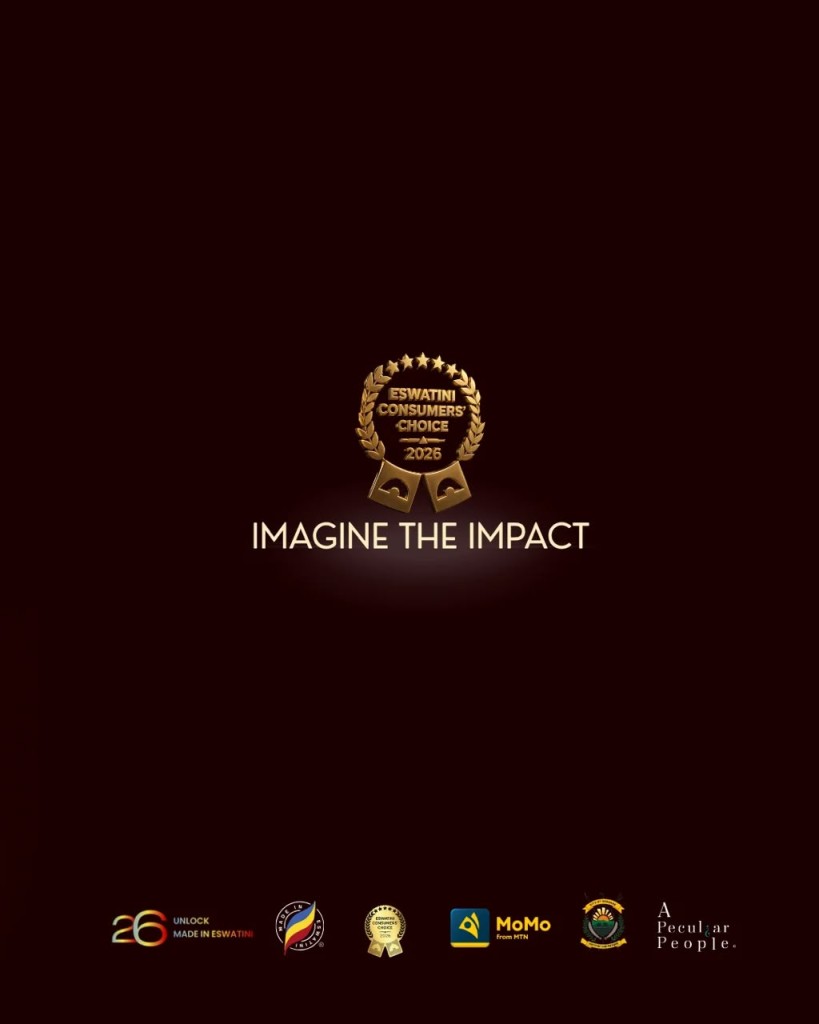
The next test, however, will be whether local support translates into actual consumer spending. The Made in Eswatini Consumer Choice Awards, scheduled for September 17, 2026, at the Hilton Garden Inn in Mbabane, have attracted 35 nominated local brands across fashion, décor, artisan, and leather categories.
Held under the theme “Imagine the Impact,” the awards seek to encourage consumers, businesses, and institutions to deliberately support local products. Princess Sakhizwe said this philosophy would also be reflected through the event’s dress code, with guests encouraged to wear local designs. “We cannot ask the world to wear Eswatini if we are not wearing Eswatini,” she said, calling for local fashion to become more visible and commercially desirable.
From Local Brands to Global Markets
The Princess’s broader ambition is for Eswatini’s creative businesses to move beyond the domestic market and compete for international customers, commissions, and commercial opportunities. She outlined a vision in which an Eswatini fashion brand could appear on the red carpet at the Oscars, a local artisan could secure a furniture commission from a luxury hotel in Monaco, and artists from the kingdom could have their work displayed in international homes, galleries, and collections.
Achieving that level of market penetration will require more than creative talent. Businesses will need reliable production capacity, consistent quality, sound financial management, effective branding, intellectual property protection, market research, and efficient logistics. International buyers also require suppliers that can meet deadlines, maintain standards, and deliver at commercially sustainable prices.
This makes business development a critical component of the creative economy. A talented designer may create a strong product, but converting that product into a sustainable enterprise requires pricing discipline, cost management, access to finance, customer development, and the ability to scale production without compromising quality.

Princess Sakhizwe, therefore, presented the development of the creative economy as a shared responsibility involving government, businesses, consumers, and creatives. Government can provide the policy environment, infrastructure, and support systems, while businesses must build commercially sound enterprises, and consumers can contribute by creating demand for local products.
At the center of her message was the argument that Eswatini’s cultural identity should be treated not only as something to preserve but also as an economic asset capable of generating income and opening international markets. “Eswatini has talent. Eswatini has creativity. Eswatini has a story to tell,” she said. The opportunity now lies in building businesses capable of turning that talent, creativity, and story into products that consumers are willing to buy, both within Eswatini and beyond its borders.