




By: Nkosiyabusa Nsibande
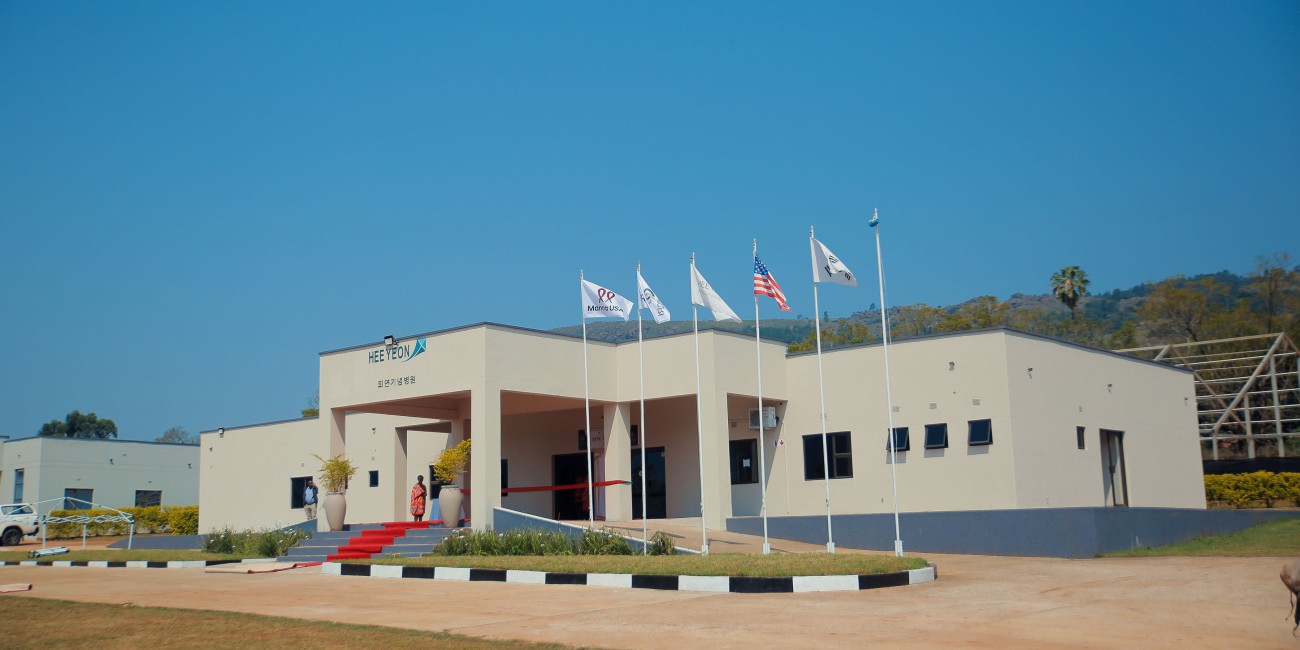
The Nyonyane community has gained a significant piece of social and economic infrastructure with the opening of Khanyisile Clinic, which brings healthcare services within five kilometers of the community. The development is important not only because it expands access to medical care but also because shorter distances can reduce some costs households incur when seeking treatment, particularly transport expenses and income lost through lengthy journeys to health facilities.
His Majesty King Mswati III placed this household-level benefit at the center of his remarks, stating that “Reducing physical distance cuts, travel costs, protects household income, and promotes early treatment.” For families in Nyonyane, the significance of the new facility can therefore be measured in more than medical terms. A healthcare facility located closer to home can reduce the amount of money and time required to access treatment, allowing households to retain resources that might otherwise be absorbed by transportation and other costs associated with seeking care.
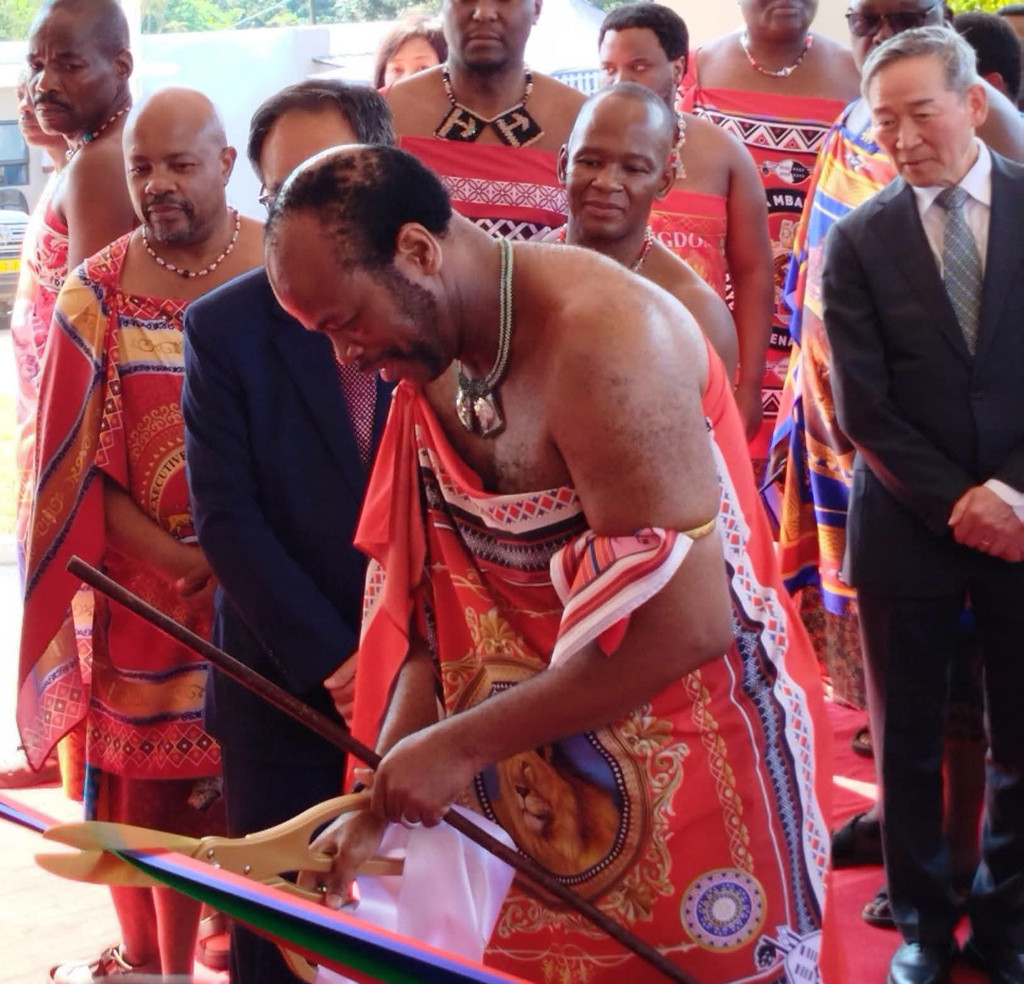
The five-kilometer distance is particularly relevant because healthcare costs are not confined to what a patient pays at a facility. A household seeking medical attention may also have to pay for transport for the patient and, in some cases, a family member accompanying them. For people earning income through employment, small businesses, or other forms of economic activity, traveling further for treatment can also mean sacrificing productive hours. Bringing services closer to Nyonyane, therefore, has the potential to lower the overall economic burden associated with accessing healthcare.
The facility also creates an opportunity for earlier intervention. When healthcare services are difficult or costly to reach, households may delay seeking medical attention, particularly when the initial symptoms appear manageable. The resulting delay can allow health problems to become more serious and potentially increase the eventual financial and productivity costs borne by the household. His Majesty’s emphasis on proximity promoting early treatment, therefore, connects the physical location of the clinic with the longer-term financial resilience of families in the community.
The scale of the investment behind the facility further underlines its importance to Nyonyane. Approximately E50 million has been invested in the construction of the clinic and the procurement of medical equipment, according to His Majesty’s speech. The investment has provided the community and surrounding neighborhoods with access to a facility equipped to deliver specialized medical services, turning what was previously a healthcare-access challenge into a new piece of community infrastructure with an ongoing economic footprint.
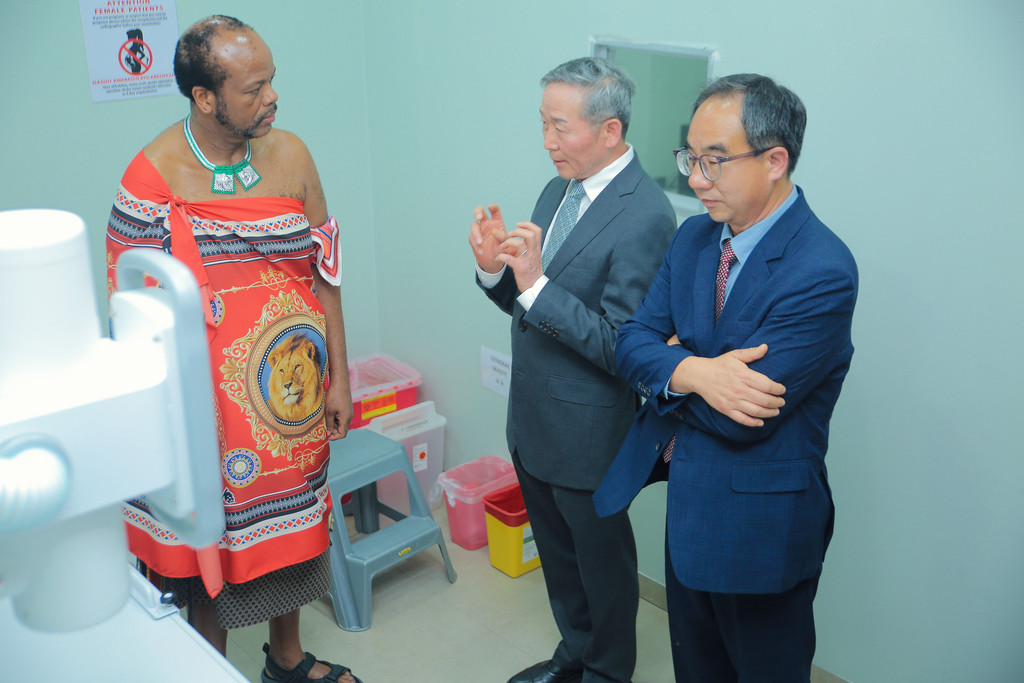
That footprint is not limited to the people who will receive treatment. A functioning healthcare facility requires medical professionals, technical personnel, administration, maintenance, and other supporting services, creating economic activity around the operation of the asset. More importantly, reliable access to healthcare can support the ability of workers and entrepreneurs to remain economically active, reducing the disruption that illness and lengthy journeys for treatment can impose on household livelihoods.
His Majesty described the investment in broader human-capital terms, saying, “What stands before us is more than just a physical building. It is an investment in human capital, in our children, mothers, workers, and entrepreneurs.” In the context of Nyonyane, this means the value of the clinic can be considered in terms of the productive capacity it helps protect within the community. A worker who can access treatment closer to home, a parent who can obtain medical attention without extensive travel, or an entrepreneur who loses fewer productive hours to healthcare-related journeys all retain more capacity to participate in economic activity.
The clinic’s specialist-service model also gives the investment a commercial dimension. The speech states that income from specialized medical services, including endoscopy, dermatology, dentistry, and other specialist treatments, will cover the facility’s operating costs. This means the E50 million capital investment is being supported by an operating model intended to generate revenue for the continued running of the clinic, rather than treating construction as the end point of the project.
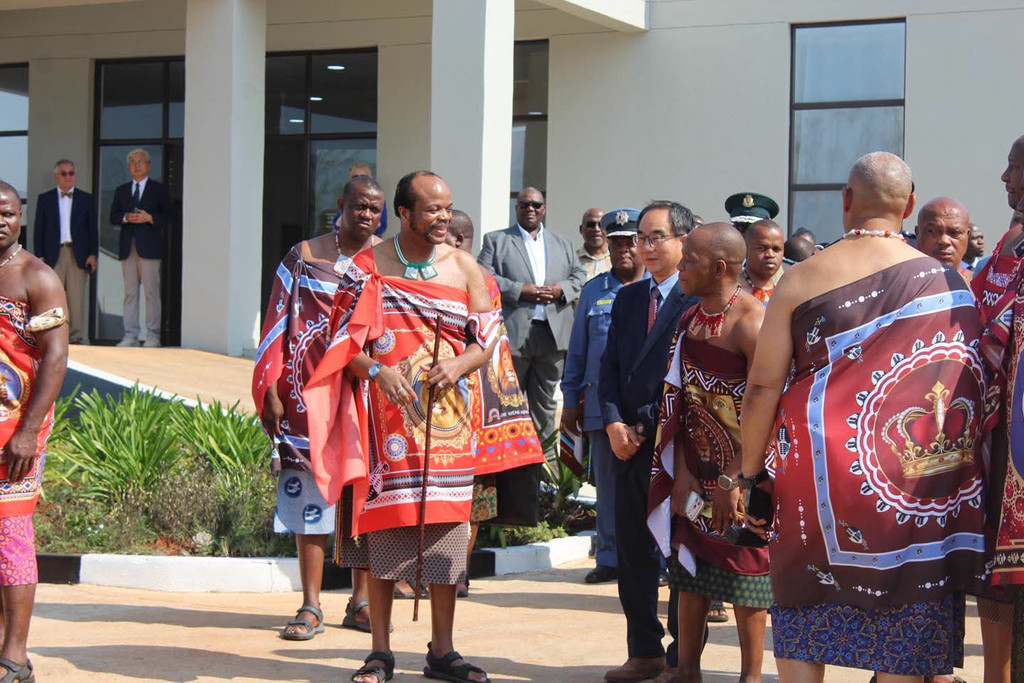
For Nyonyane, the significance of this model lies in the prospect of having specialist healthcare capacity located within the community while maintaining a mechanism for sustaining the facility financially. The combination of capital investment and service-generated revenue gives the clinic an economic structure that could allow the asset to continue delivering value over time, provided that its specialist services generate sufficient income to meet operating requirements.
The facility also forms part of a longer relationship between the clinic and the public healthcare system. His Majesty said that since 2015 the clinic has worked closely with the Ministry of Health, while specialist doctors from the facility work in public hospitals alongside government doctors and provide clinical training and mentoring. This means the investment in Nyonyane has the potential to strengthen not only the physical availability of healthcare in the community but also the specialist skills available within the broader healthcare system.
The origins of the facility add another financial dimension to the project. His Majesty explained that the initiative began in 2010 through the organization of volunteer medical specialists from the Republic of Korea and the United States, before the Kim family decided, following the death of Hee Yeon in 2019 to dedicate her inheritance towards establishing a charitable health center in Eswatini. The speech states that the family “dedicated it entirely to establishing a charitable health center in Eswatini.”
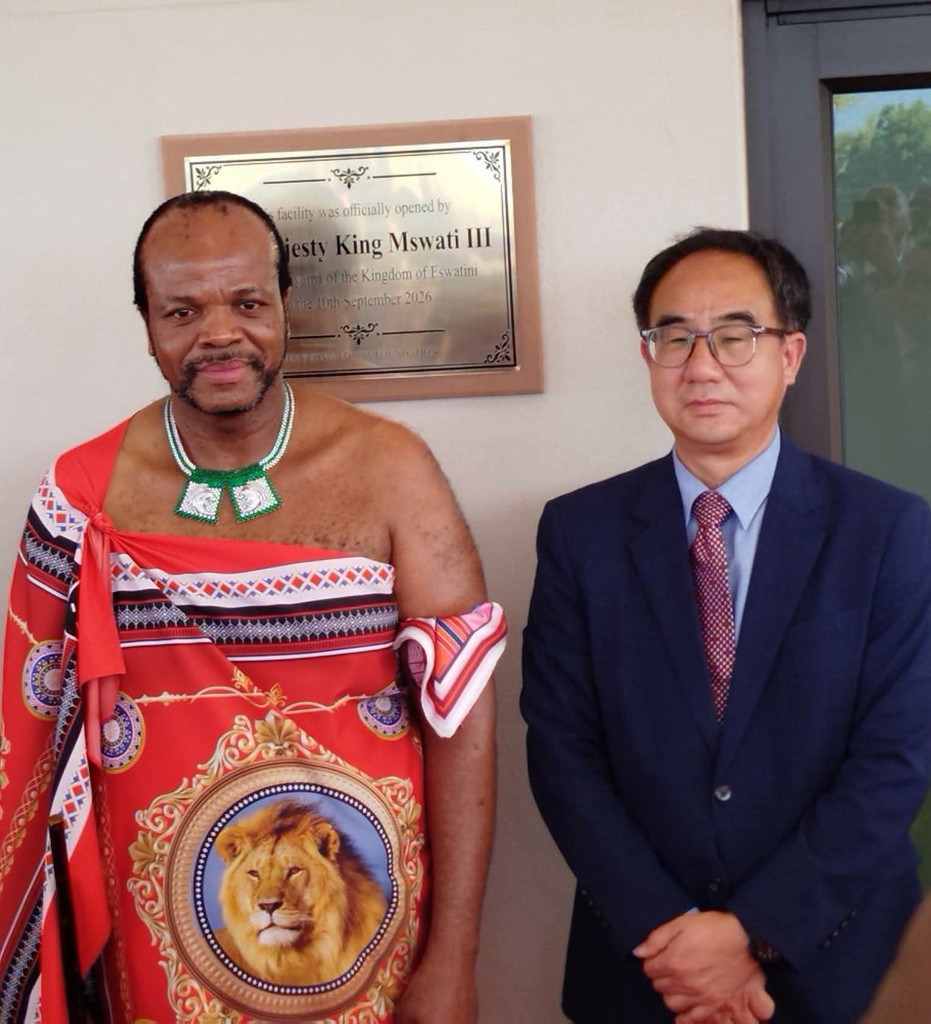
For the Nyonyane community, that decision has effectively converted private inheritance into a long-term community asset. The resulting facility represents a form of legacy investment in which capital has been used to establish infrastructure capable of providing services over an extended period, rather than being consumed as a once-off transfer of wealth.
The opening of Khanyisile Clinic, therefore, changes the economic equation of healthcare access for Nyonyane. The immediate benefit is proximity, with the community now having a health facility within five kilometers, while the wider benefit lies in the potential reduction of transport costs, preservation of household income, and earlier access to treatment. Backed by an E50 million investment and a model designed to generate operating income from specialist services, the clinic represents an investment not only in healthcare provision but also in the financial and productive resilience of the community itself.

Other Articles