



By: Nkosiyabusa Nsibande
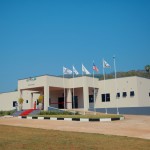
The opening of Khanyisile Clinic at Zulwini, Nyonyane, has brought an estimated E50 million investment into Eswatini’s healthcare infrastructure development, with the capital deployed towards construction and the procurement of medical equipment. While the facility has been established as a charitable healthcare center, the financial structure outlined by His Majesty King Mswati III points to an operating model that seeks to generate sufficient revenue to sustain the asset after the initial investment has been made.
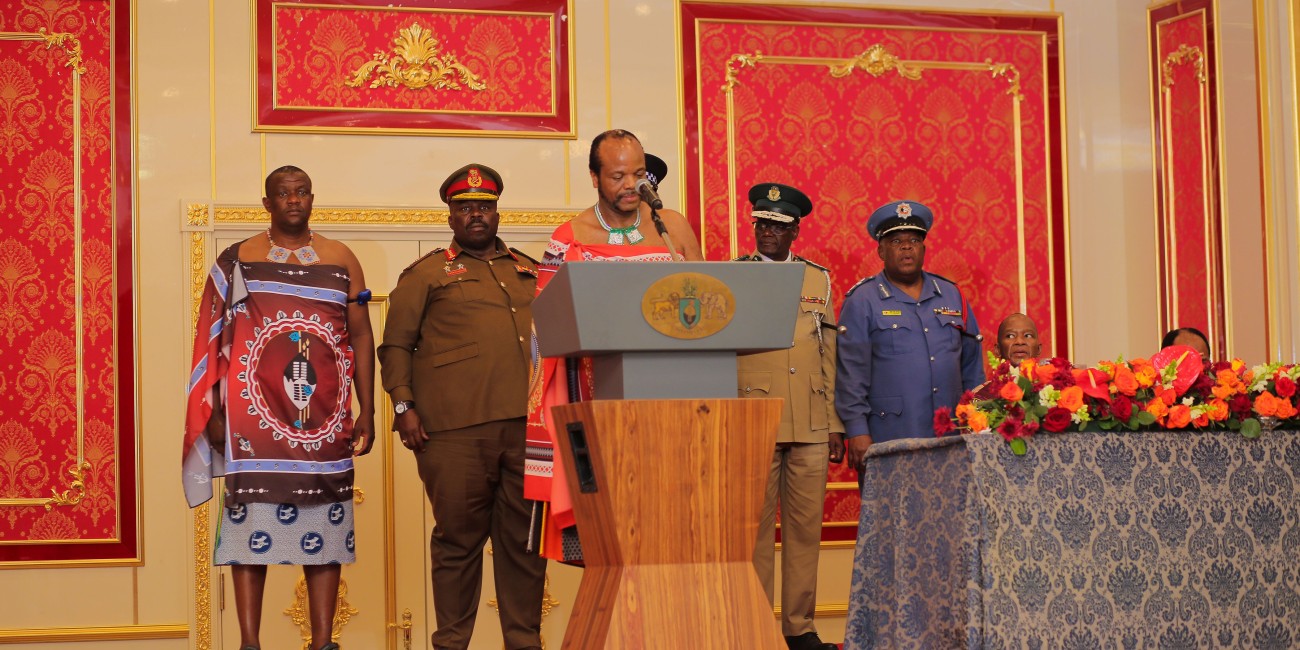
The most significant financial feature of the project is its planned revenue model. Speaking during the celebration at the Palazzo Ezulwini, His Majesty King Mswati III said that income generated from specialized medical services, including endoscopy, dermatology, dentistry, and other specialist treatments, will cover the clinic’s operating costs. This creates a distinction between the E50 million capital investment required to establish the facility and the recurring income required to keep it operational, an important consideration in determining whether healthcare infrastructure can remain viable over the long term.
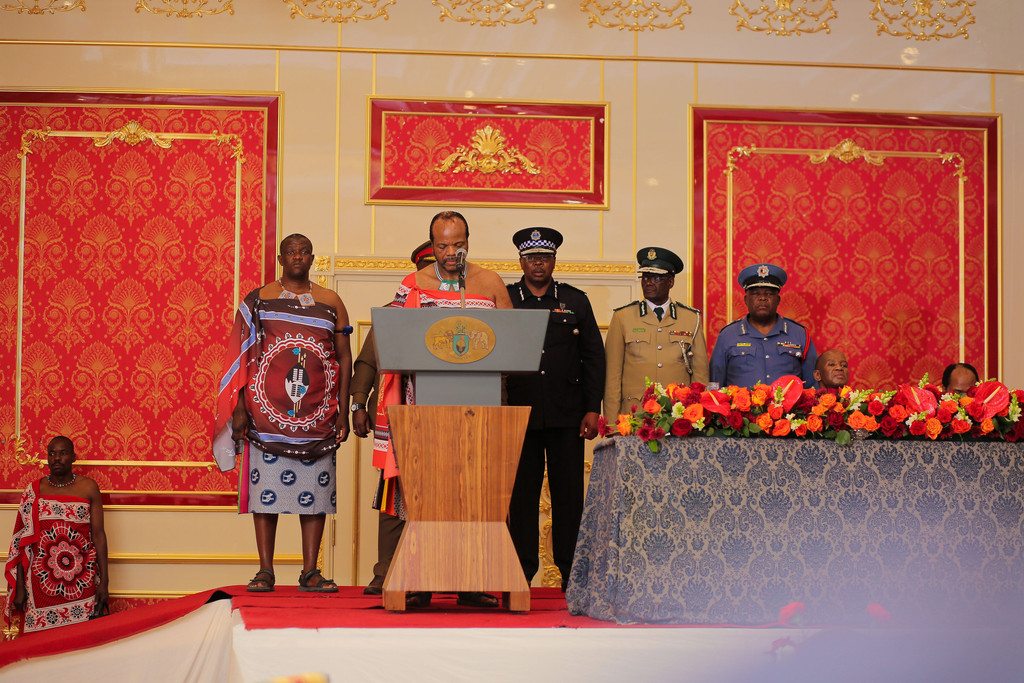
His Majesty placed the investment within a broader economic framework, stating that “Healthcare is not merely a social service; it is a foundational pillar of national economic development because a healthy population is the single greatest driver of a productive, resilient Kingdom.” The statement effectively positions healthcare infrastructure as productive economic capital, with the value of investment extending beyond the physical facility to the health, availability, and productivity of the people who use it.
The facility’s operating model is also linked to a long-standing relationship with the government. His Majesty said the clinic has worked closely with the Ministry of Health since 2015, while specialist doctors from the facility work in public hospitals alongside government doctors and provide clinical training and mentoring. This means the investment is not operating in isolation from the public healthcare system but is contributing specialist expertise to a wider healthcare network.
For a healthcare asset of this nature, financial sustainability is critical because construction represents only the first stage of expenditure. Once a facility is operational, it must continually meet costs associated with medical personnel, equipment, maintenance, utilities, supplies, and specialist services. The model outlined at Nyonyane, therefore, attempts to create an internal revenue stream capable of carrying those recurring costs, reducing reliance on the original capital injection to finance day-to-day operations.
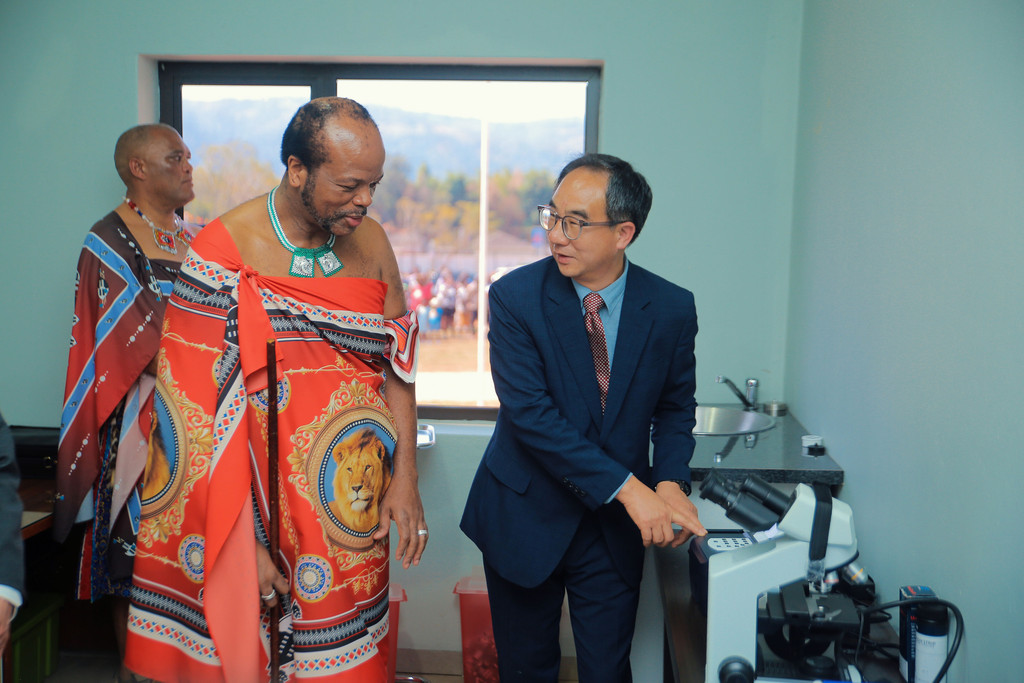
The project also illustrates how private wealth can be redirected towards long-term legacy creation. The speech traces the initiative to 2010, when Mr. Daniel Kim began organizing volunteer medical specialists from the Republic of Korea and the United States to serve Emaswati alongside the Ministry of Health. Following the death of his sister, Hee Yeon, in 2019, the Kim family chose to convert her inheritance into a charitable healthcare investment, with His Majesty noting that the family “dedicated it entirely to establishing a charitable health center in Eswatini.”
From a wealth-management perspective, the decision demonstrates how inherited capital can be deployed into an asset with a long-term social and economic purpose. Rather than the inheritance being retained as private wealth, it has been transformed into physical infrastructure, medical equipment, and a platform for delivering specialized services. The resulting asset, therefore, carries both a social return and an operating requirement, making its sustainability dependent on how effectively the facility balances its charitable purpose with its revenue-generating capacity.
The economic impact of the investment also extends beyond the clinic itself because location influences the cost of accessing healthcare. His Majesty said the facility brings care within five kilometers of the Enyonyane community and argued that reducing physical distance “cuts travel costs, protects household income, and promotes early treatment.” For households, the effective cost of healthcare can include transport expenditure and lost income in addition to the direct medical bill, making proximity an economic benefit as well as a healthcare benefit.
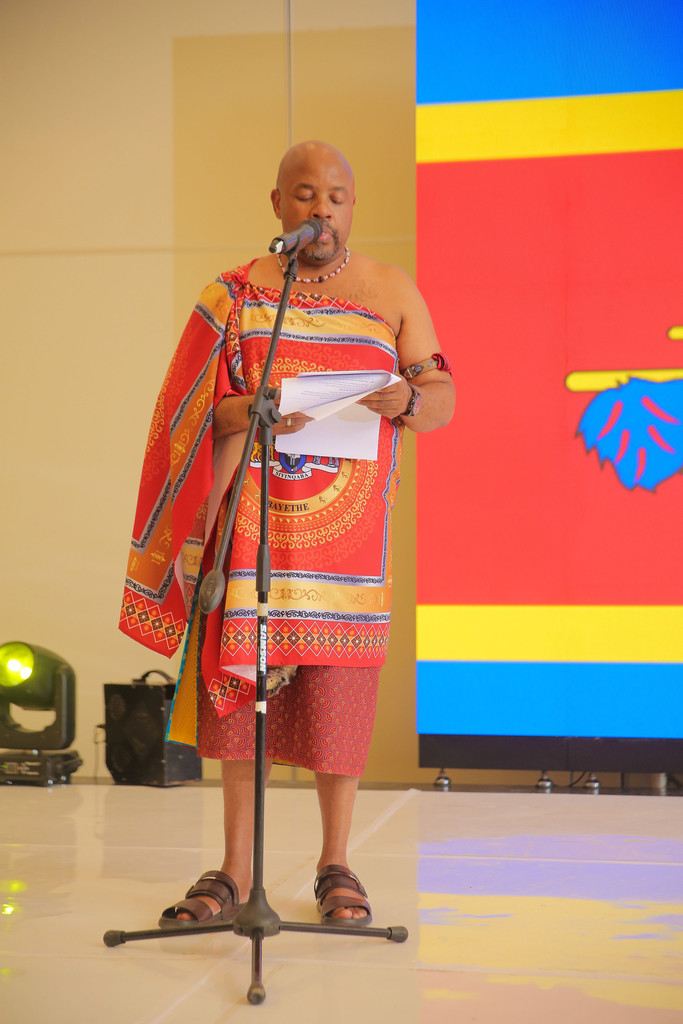
The investment, therefore, has a wider economic footprint than the E50 million recorded in construction and equipment. It creates a healthcare asset, establishes a potential recurring-income stream, strengthens specialist capacity, and reduces some indirect costs associated with accessing medical care. His Majesty summarized this wider investment philosophy by stating, “What stands before us is more than just a physical building. It is an investment in human capital, in our children, mothers, workers, and entrepreneurs.”
The longer-term financial performance of the project will ultimately depend on whether specialized-service income suffices to cover operating requirements while maintaining the quality and capacity of the facility. The opening of Khanyisile Clinic, therefore, marks not simply the completion of an E50 million construction project but the beginning of an operating phase in which financial sustainability will determine how effectively the original capital investment can continue generating healthcare and economic value.

Other Articles
5KM HEALTHCARE ACCESS FOR NYONYANE COMMUNITY