





By: Nkosiyabusa Nsibande
HYM Clinic is preparing to deepen its investment in Eswatini’s healthcare infrastructure, with an approximately E30 million CT Scan Centre planned for next year as the facility moves to expand beyond basic clinical services into higher-value diagnostic care. The proposed investment comes after the clinic treated more than 4,000 patients during its first seven months of operation, providing an early indication of demand for additional private-sector healthcare capacity and the economic potential of specialised medical services.
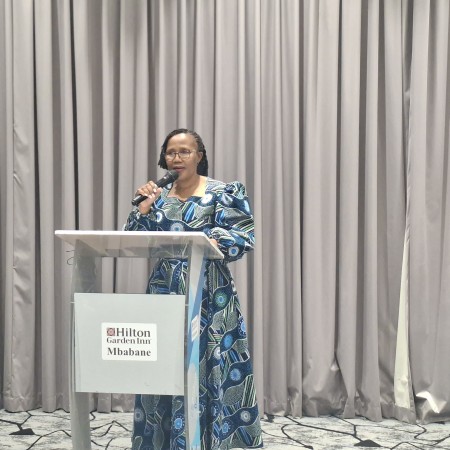
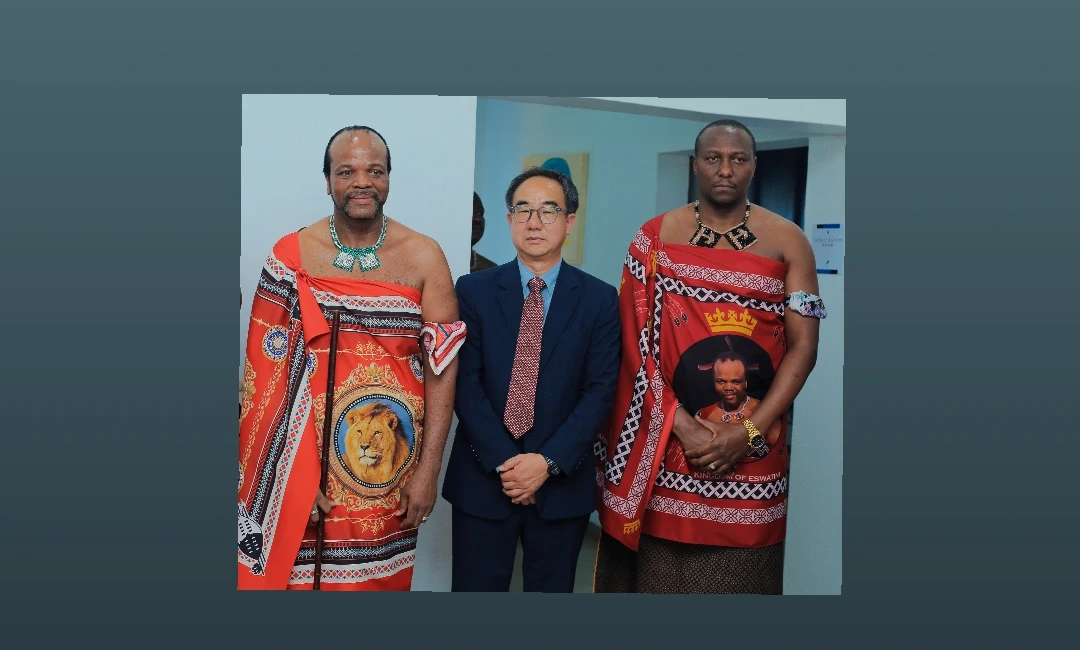
Director Daniel Kim said the next phase of the project would extend the clinic’s contribution beyond patient treatment by creating infrastructure capable of supporting specialised diagnostics and professional development. He said Dr Lee of Manna Mission USA had pledged “an additional investment of approximately 30 million Emalangeni to establish a CT Scan Centre here”, a development that would expand diagnostic services while opening training opportunities for doctors, nurses, radiographers and other healthcare professionals.
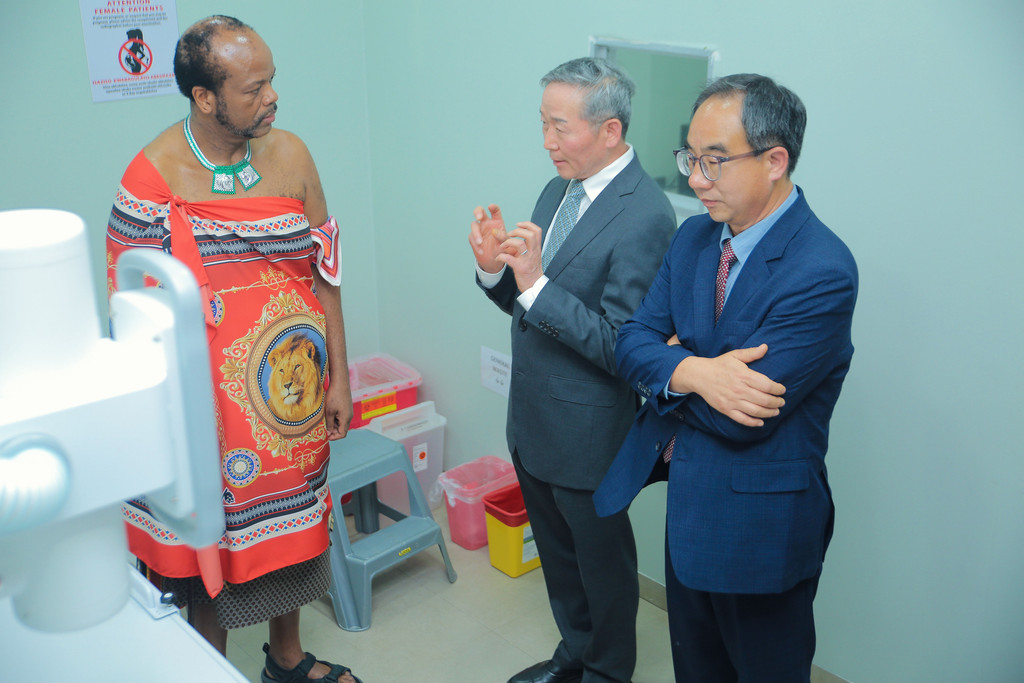
The planned capital injection is significant because diagnostic infrastructure represents a higher level of investment than conventional outpatient services, requiring specialised equipment, technical expertise and supporting infrastructure. For Eswatini, retaining and developing this capacity locally could reduce the need for patients to seek certain diagnostic services outside the country while creating a domestic market for specialised healthcare professionals and related services. The investment also has the potential to strengthen the skills base around medical technology, particularly if the facility is integrated with structured training and knowledge transfer.
Kim’s remarks suggest that HYM Clinic is being positioned not simply as a standalone healthcare facility, but as part of a broader investment model in which medical infrastructure, human capital and regional demand reinforce one another. “Our ambition extends far beyond a single clinic,” he said, outlining a vision of Eswatini becoming “a medical hub for Southern Africa” built around healthcare quality, advanced technology and professional education.
The clinic’s first seven months provide an early commercial and social indicator of the demand underpinning that ambition. According to Kim, more than 4,000 patients have already been treated, with patients coming from every region of Eswatini as well as neighbouring Mozambique and South Africa. The cross-border component is particularly important from an economic perspective because healthcare can function as an export service when patients from outside the country spend money locally on medical treatment, accommodation, transport and other associated services.
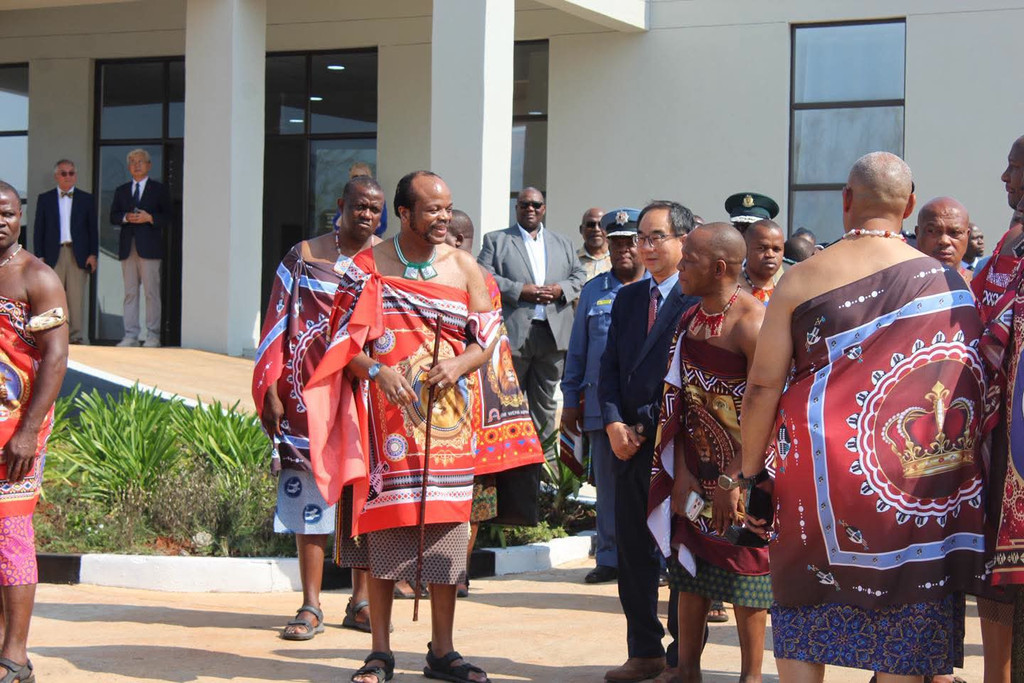
The presence of international medical professionals is also forming part of the clinic’s investment model. Kim said volunteer doctors, nurses and specialists from Korea and the United States have travelled to Eswatini to provide care and share expertise, with their involvement extending beyond HYM Clinic to knowledge-sharing and collaborative work with national hospitals. Such partnerships can help address one of the central constraints facing specialised healthcare systems: the shortage of highly trained personnel capable of operating and maintaining advanced medical equipment.
For Eswatini, the economic value of that skills transfer could extend beyond the immediate services delivered by the clinic. Training local radiographers, doctors, nurses and other healthcare professionals creates human capital that remains in the domestic economy, while specialised expertise can support the wider healthcare sector. The model therefore links physical capital investment in medical equipment with investment in the workforce required to extract value from that infrastructure.
Kim also stressed that the expansion of healthcare capacity would require cooperation between private and charitable institutions and the state. He said HYM Clinic believed “the future of healthcare in Eswatini will be built through a strong partnership between charitable institutions and the Government of the Kingdom”, particularly in areas such as infrastructure development, local talent development and the delivery of quality care across communities.
That partnership model could become increasingly important as healthcare systems face the dual challenge of improving access while controlling the cost of delivering specialised services. Private and philanthropic capital can supplement public investment in areas where expensive equipment and specialist expertise require significant upfront funding, while government involvement can help integrate privately funded facilities into broader national health priorities.
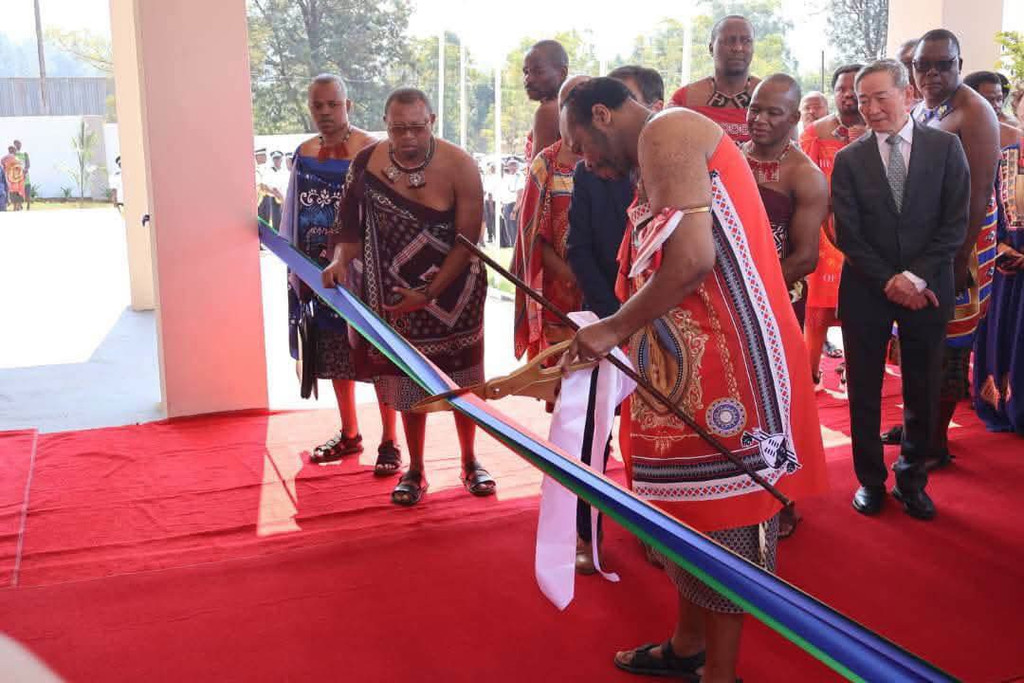
The clinic’s development also demonstrates how a relatively targeted investment can create economic activity beyond the value of the healthcare service itself. A CT Scan Centre requires specialised operators, maintenance, technical support and complementary clinical services, while increased patient volumes can generate demand for transport, accommodation and other businesses around the facility. If the cross-border patient market continues to develop, healthcare infrastructure could therefore become part of Ezulwini’s wider service economy.
Kim said the clinic was committed to working alongside the Ministry of Health as “a faithful partner, serving the people of this beautiful Kingdom”. The immediate test will be whether the planned E30 million investment can translate into sustainable diagnostic capacity, local skills development and greater utilisation of Eswatini’s healthcare infrastructure. If successfully executed, HYM Clinic’s expansion could represent more than an additional medical facility; it could demonstrate how external capital, specialised technology and human-capital investment can combine to build a higher-value service industry within the domestic economy.