




By: Nkosiyabusa Nsibande
Eswatini’s tourism industry is preparing to make its case as a serious contributor to national economic growth, as HOTAES convenes the second annual Tourism Nkwe on 17 September 2026. The gathering brings together government officials, tourism operators and industry stakeholders under one roof to align on priorities that HOTAES says are critical to unlocking the sector’s full economic potential.
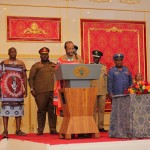
The event’s headline moment will be the participation of His Excellency the Right Honourable Prime Minister of the Kingdom of Eswatini, who is confirmed as keynote speaker and will deliver the closing address. His attendance follows his participation in the inaugural Tourism Nkwe, held at Sharma House in August 2025, reinforcing what HOTAES describes as sustained engagement between government and the tourism industry.
From a financial and investment standpoint, that continuity matters. Tourism is frequently cited by policymakers across Southern Africa as a low-capital, high-employment sector capable of generating foreign exchange, supporting small and medium enterprises, and diversifying economies historically reliant on a narrow set of exports. Eswatini’s decision to place its head of government at the centre of this year’s dialogue suggests the sector is being positioned within that broader economic strategy.
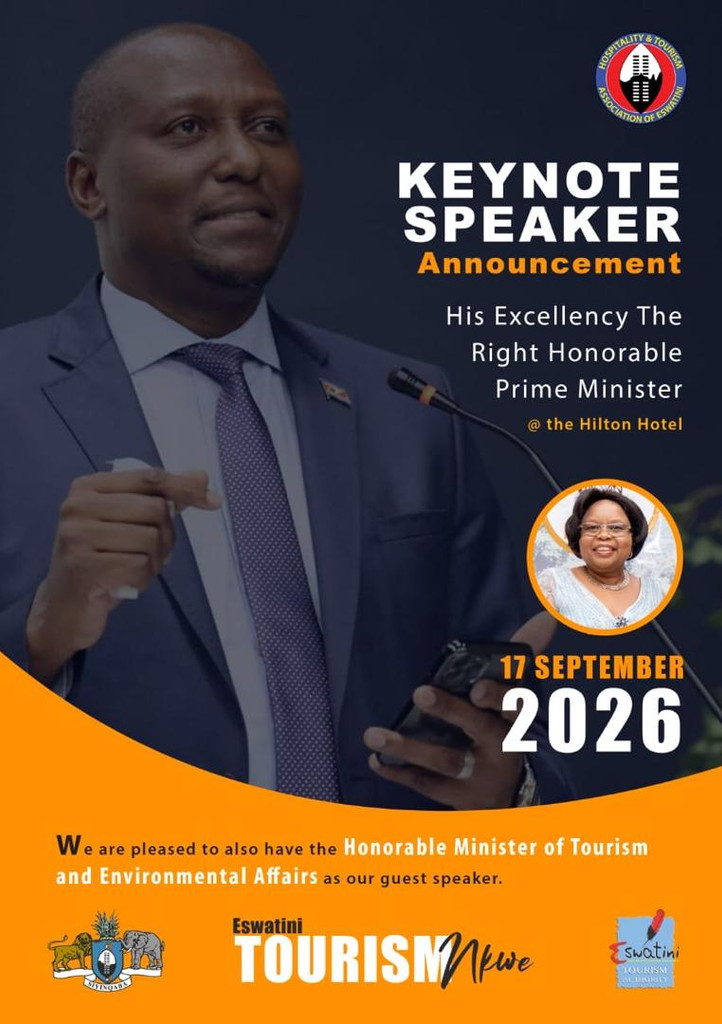
Tourism Nkwe 2026 builds on commitments made in the Nkwe! Declaration adopted at last year’s inaugural event, which set out priorities including sustainable destination development, stronger cross-border collaboration, and a more seamless visitor experience from arrival to departure. This year’s programme is expected to focus on translating those commitments into measurable outcomes.
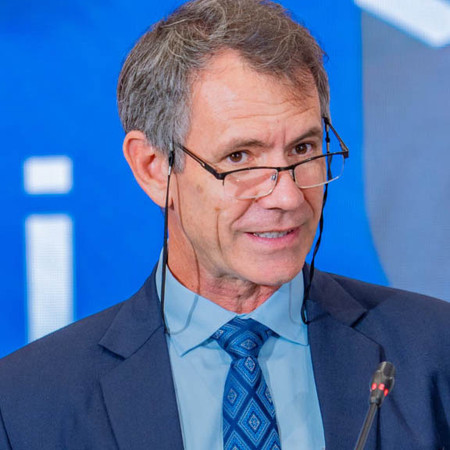
Speaking ahead of the event, HOTAES Chairman Marc Ward framed the gathering as a shift from dialogue to implementation. “Tourism Nkwe! Is a gathering where the tourism industry can come together, speak with one voice, confront the issues that matter and, importantly, move from dialogue to action,” Ward said, adding that the Prime Minister’s return to close the event “reflects the strategic importance of tourism to the economic future of Eswatini.”
Ward also pointed to the sector’s broader economic value proposition, noting that tourism offers Eswatini a platform to attract investment and generate opportunity across the value chain. “Tourism is one of the sectors through which Eswatini can tell its story to the world while creating jobs, attracting investment, supporting communities and generating economic opportunity,” he said.
Beyond the keynote address, the event will mark a leadership milestone for HOTAES itself, with the Association set to formally unveil its newly appointed Executive , a step intended to strengthen its institutional capacity to represent operators across accommodation, tour guiding, hospitality and related sub-sectors.
HOTAES says preparations for the event are well advanced and has called on tourism operators across the industry to participate actively in the discussions that will shape the sector’s direction going forward. The Association also acknowledged the ongoing support of the Government of the Kingdom of Eswatini and its industry partners in advancing the sector’s development agenda.
For investors and financial stakeholders tracking Eswatini’s economic diversification efforts, Tourism Nkwe 2026 offers a useful barometer: sustained government-industry alignment, formalised through events like this, is often a precursor to policy shifts, incentive frameworks, or infrastructure commitments that can materially affect the investment case for hospitality and tourism-linked assets in the Kingdom.

Other Articles
E30m HYM Expansion Follows 4,000 Patients In Seven Months
E50 MILLION HEE YOEN (KHANYISILE) CLINIC BUILT ON SELF-FUNDING MODEL