



By: Nkosiyabusa Nsibande
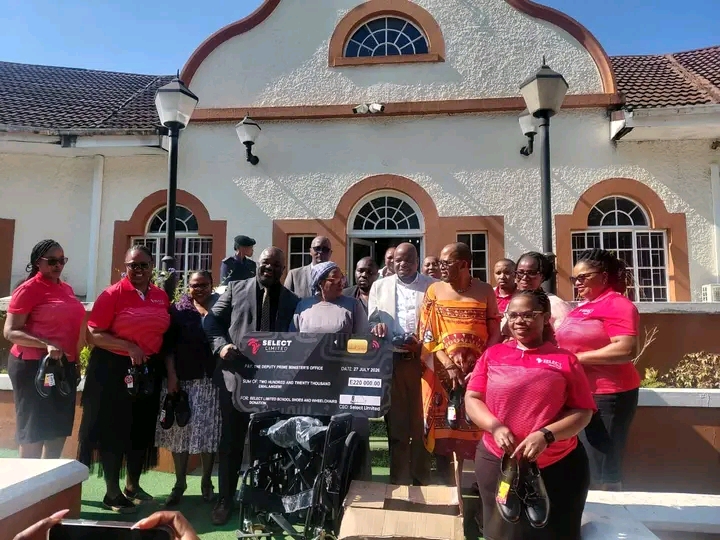
For most businesses, investment is measured by new stores, higher revenues, or expanding market share. Increasingly, however, companies are also being judged by how effectively they invest in the societies that sustain their operations. It is within this broader context that Select Limited’s latest donation of school shoes, valued at E120,000 and wheelchairs worth E100,000, should be viewed. Rather than being an isolated act of corporate generosity, the E220,000 contribution represents an investment in two economic fundamentals that often receive insufficient attention in developing economies: education and workforce inclusion.
The handover to the Deputy Prime Minister’s Office comes when Eswatini continues to prioritize social protection alongside economic growth. While infrastructure, manufacturing, and industrial expansion remain essential drivers of development, the long-term competitiveness of any economy ultimately depends on the quality of its human capital. Children who remain in school because necessities such as footwear are available are more likely to complete their education. At the same time, persons with disabilities who gain access to assistive devices are better positioned to participate in economic and social life rather than remaining excluded from productive opportunities.
From a financial perspective, the economic value of school shoes extends well beyond their purchase price. For many low-income households, education-related expenses compete directly with food, transport, and healthcare within already constrained family budgets. Removing even one cost can ease financial pressure, improve school attendance, and reduce the likelihood of children dropping out because of poverty. In economic terms, such interventions help preserve future labor productivity by ensuring that today’s learners remain connected to the education system instead of becoming long-term casualties of financial hardship.

The donation of wheelchairs carries an equally important economic dimension. Mobility is a prerequisite for participation in education, employment, entrepreneurship, and access to public services. Without appropriate assistive devices, many persons with disabilities face barriers that reduce their ability to generate income and contribute fully to the economy. Improved mobility therefore represents more than social welfare; it expands economic participation by enabling greater independence and increasing opportunities for productive engagement across multiple sectors.
The initiative also reflects a broader evolution in corporate social investment within Eswatini. Companies are moving beyond one-off charitable donations towards interventions that address structural social challenges. For businesses, these investments strengthen corporate reputation, deepen stakeholder trust, and reinforce their social license to operate. Increasingly, investors, customers, and regulators expect businesses to demonstrate measurable contributions to environmental, social, and governance (ESG) priorities, making community investment an important component of long-term corporate sustainability rather than a discretionary expense.
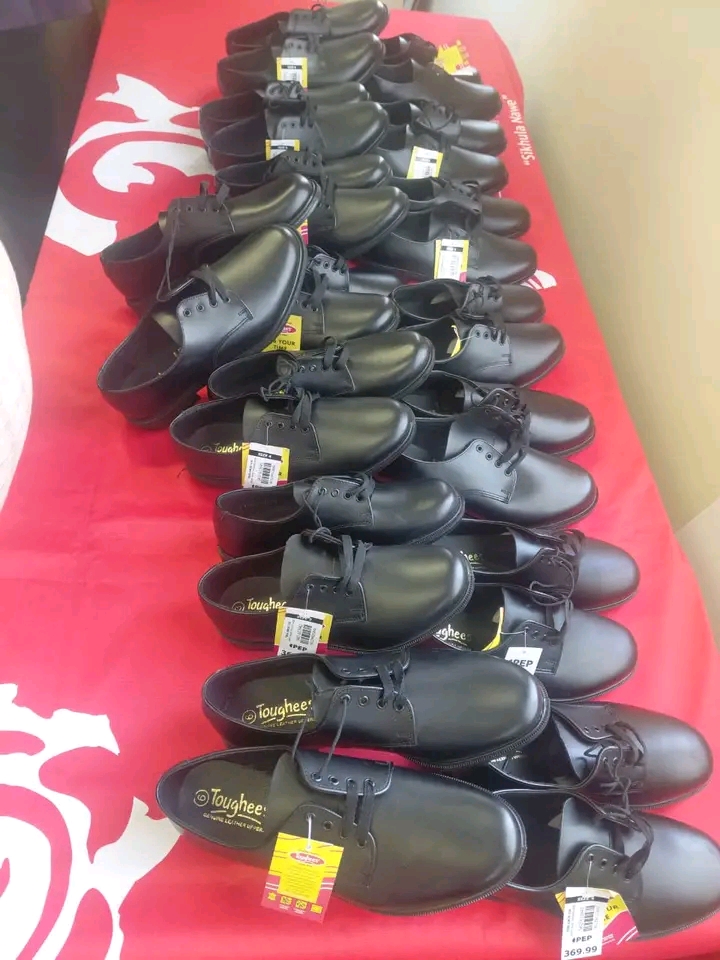
Select Limited has steadily positioned itself within this emerging model of responsible corporate citizenship. The company has previously partnered with the Deputy Prime Minister’s Office through national back-to-school campaigns, supporting vulnerable learners with school uniforms and footwear while committing more than E1 million to various education and community initiatives over recent years. That consistency suggests a structured corporate social investment program rather than isolated philanthropic activity.
For government, partnerships of this nature also demonstrate the value of leveraging private sector resources to complement public expenditure. The Deputy Prime Minister’s Office continues to coordinate programs aimed at supporting vulnerable children and persons with disabilities, while working alongside businesses and development partners to expand their reach. As fiscal resources remain under pressure, collaboration between government and the private sector will become increasingly important in financing inclusive development without placing additional strain on public finances.
Ultimately, the financial significance of Select Limited’s E220,000 contribution lies not only in its monetary value but also in what it represents. Investments that keep children in classrooms and improve mobility for persons with disabilities strengthen the foundations of a more productive, inclusive, and resilient economy. For Eswatini, where sustainable growth depends as much on human development as it does on capital investment, corporate contributions of this nature reinforce the principle that economic progress is strongest when businesses invest not only in markets but also in people.