






By: Nkosiyabusa Nsibande
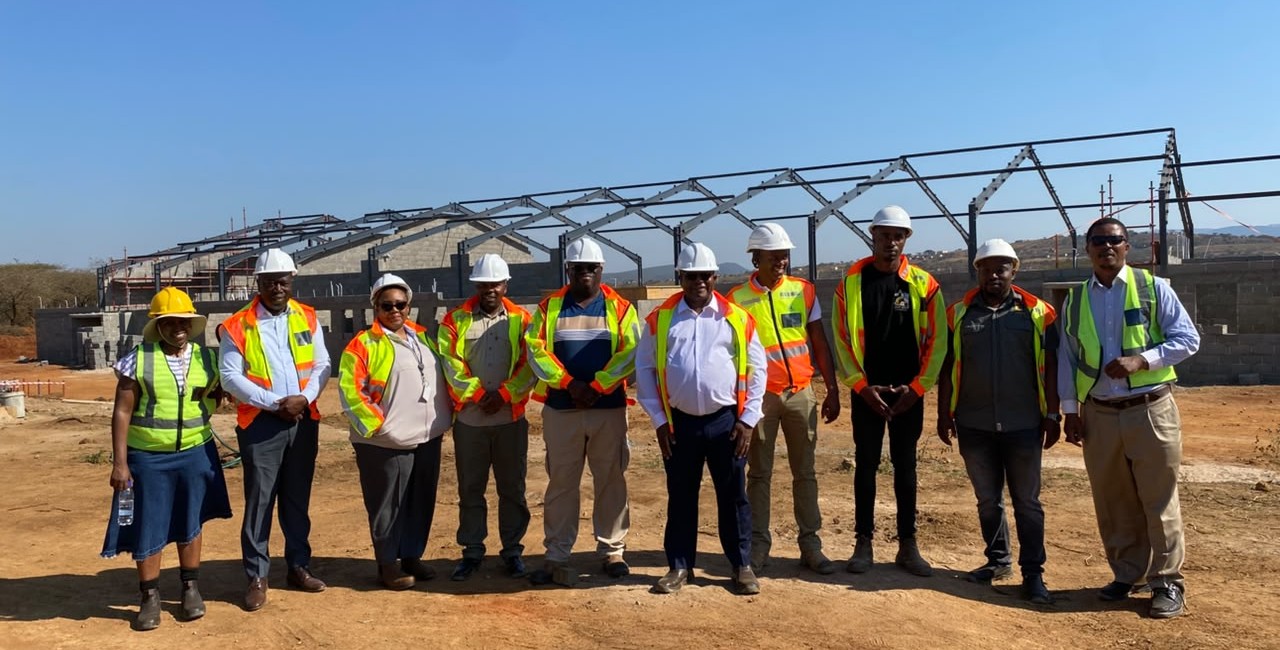
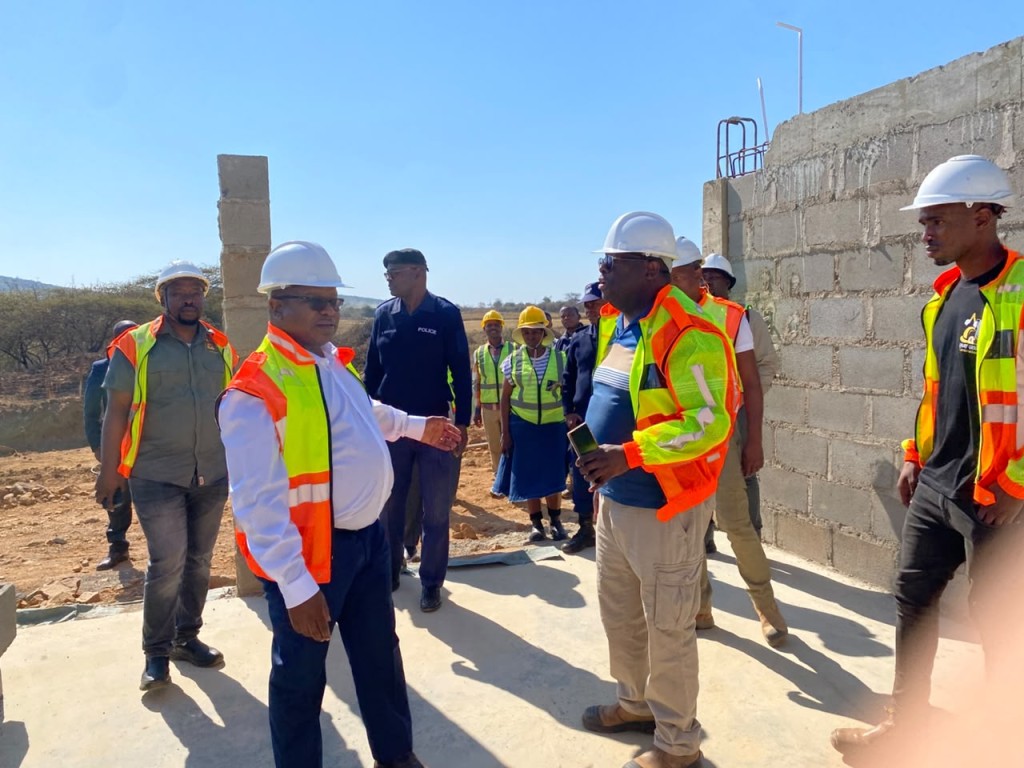
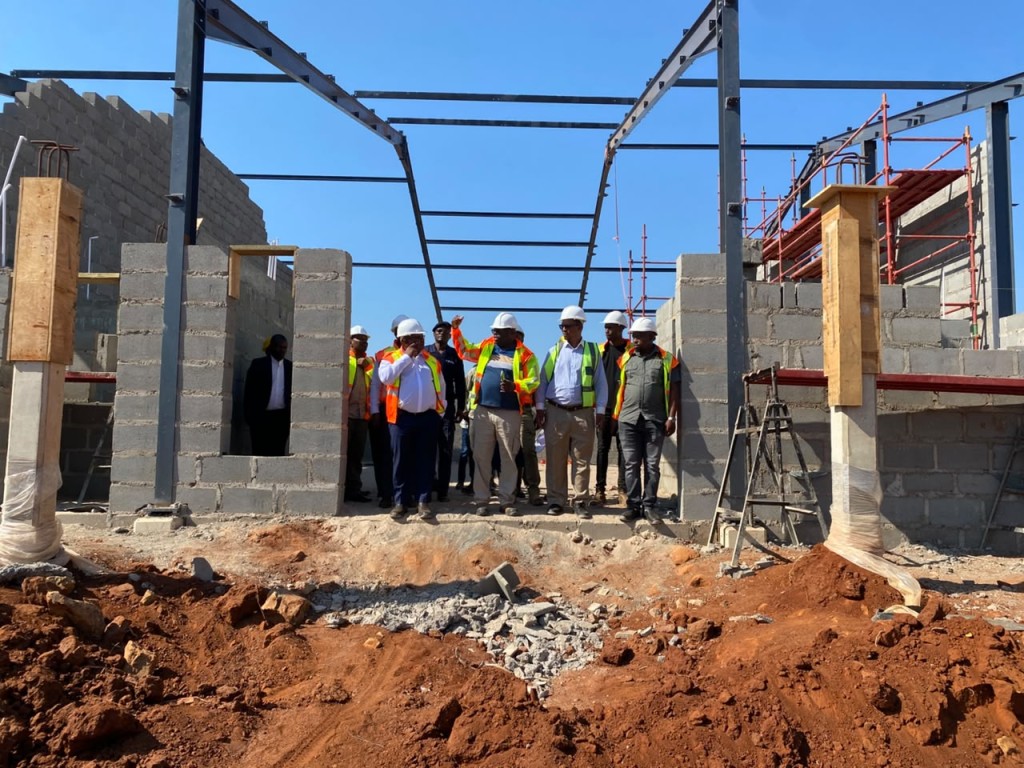
Eswatini’s industrialisation agenda is gathering momentum as the E28 million Sigwe Shoe Manufacturing Factory approaches completion, marking another step in government’s efforts to expand domestic manufacturing capacity and attract productive investment. Located in the Shiselweni Region, the factory is expected to begin operations soon after construction concludes at the end of October, with authorities confirming that an investor has already been secured to operationalise the facility. This significantly reduces the risk of the factory remaining an idle public asset and allows the focus to shift from construction to production and employment creation.
Construction, which began in November, is being undertaken by Smart Group Construction and has already created employment for 45 emaSwati during the building phase. While these jobs are temporary, the greater economic value lies in establishing a permanent manufacturing operation capable of generating sustained employment, developing technical skills and supporting downstream economic activity within the region. Manufacturing investments typically produce multiplier effects that extend beyond factory gates, benefiting transport providers, suppliers, maintenance businesses, retailers and service industries that emerge around industrial facilities.
The project also reflects a deliberate shift in Eswatini’s industrial strategy towards decentralising productive investment. For decades, much of the country’s industrial activity has remained concentrated in a handful of commercial centres, limiting employment opportunities in rural regions. By locating a manufacturing facility in Sigwe, government is attempting to broaden the country’s industrial footprint while stimulating local economic activity in the Shiselweni Region. Such investments have the potential to slow rural-to-urban migration by creating employment opportunities closer to where people live.
From a financial and economic perspective, the factory carries significance beyond its E28 million capital cost. Eswatini continues to import a substantial volume of consumer goods that could potentially be manufactured locally. The Ministry of Commerce, Industry and Trade has repeatedly argued that strengthening domestic production is essential to reducing the country’s sizeable import bill while retaining more economic value within the local economy. A functioning footwear manufacturing industry contributes towards that objective by replacing selected imports with locally produced goods, strengthening domestic supply chains and creating opportunities for local procurement.
The footwear sector also presents opportunities to revive broader industrial value chains. Leather processing, component manufacturing, packaging, logistics and retail distribution all stand to benefit if domestic shoe production expands over time. Rather than viewing the Sigwe factory as a standalone investment, policymakers increasingly see it as an anchor for rebuilding an integrated footwear ecosystem capable of generating higher levels of local value addition and improving industrial competitiveness. Similar approaches are being pursued across Southern Africa, where governments are using footwear and leather manufacturing to deepen localisation and expand employment in labour-intensive industries.
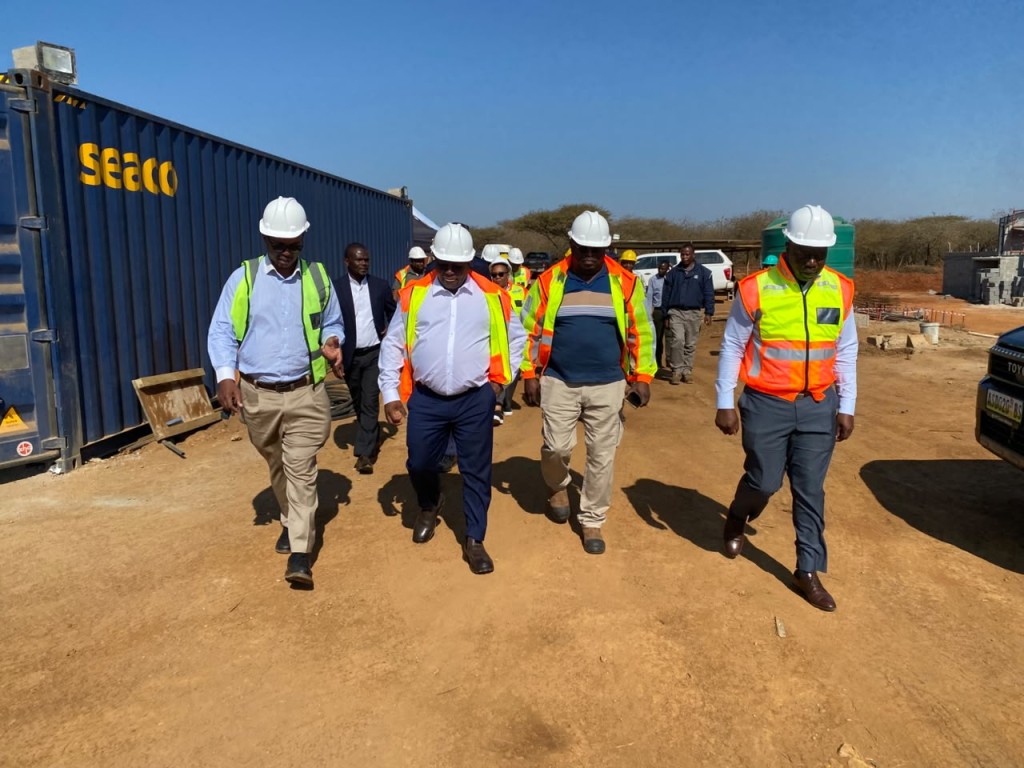
Speaking on the project’s progress, Minister of Commerce, Industry and Trade Manqoba Khumalo described the investment as evidence of government’s commitment to creating an environment that supports industrial growth.
“This project demonstrates Government’s unwavering commitment to creating an enabling environment for investment and industrial development. This Shoe Manufacturing Factory represents more than just a building; it is an investment in jobs, skills development, and the economic future of our people,” he said.
The Minister further welcomed the early identification of an operating investor, saying it would allow the transition from construction to production to occur without unnecessary delays.
“We are encouraged by the progress made thus far and by the fact that an investor has already been secured to operationalise the factory. This means that once construction is completed, we can move swiftly towards production, creating employment and contributing to the country’s economic growth.”
The Sigwe development forms part of a wider pipeline of manufacturing investments being advanced by the Ministry of Commerce, Industry and Trade. Government has recently accelerated factory development projects across several regions as part of its strategy to diversify the economy, attract investors and expand formal employment opportunities. These projects collectively signal a stronger emphasis on productive industries as engines of long-term economic growth rather than relying primarily on consumption-driven sectors.
If commissioning proceeds as scheduled later this year, the Sigwe Shoe Manufacturing Factory will become more than another completed infrastructure project. Its success will ultimately be measured by its ability to sustain production, compete in domestic and regional markets, create permanent employment and demonstrate that strategic industrial investments can generate lasting economic returns for communities beyond the country’s traditional commercial centres.

Other Articles