



By: Nkosiyabusa Nsibande
What began as a community celebration is increasingly positioning itself as an economic platform with the capacity to contribute meaningfully to Eswatini’s tourism and events economy. The Embiveni Biggest Braai 2026 has demonstrated how locally initiated festivals can mature into commercially valuable national assets, drawing thousands of people into a single venue while creating opportunities for entrepreneurs, food vendors, transport operators, accommodation providers and entertainment businesses.
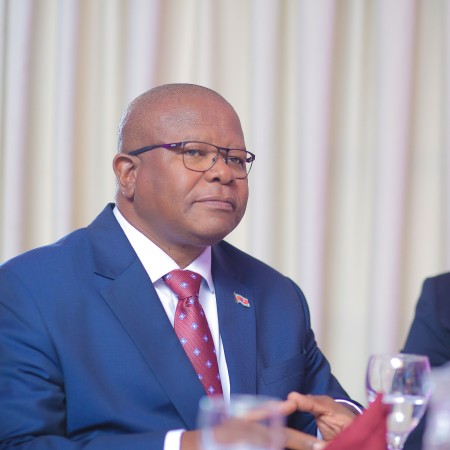
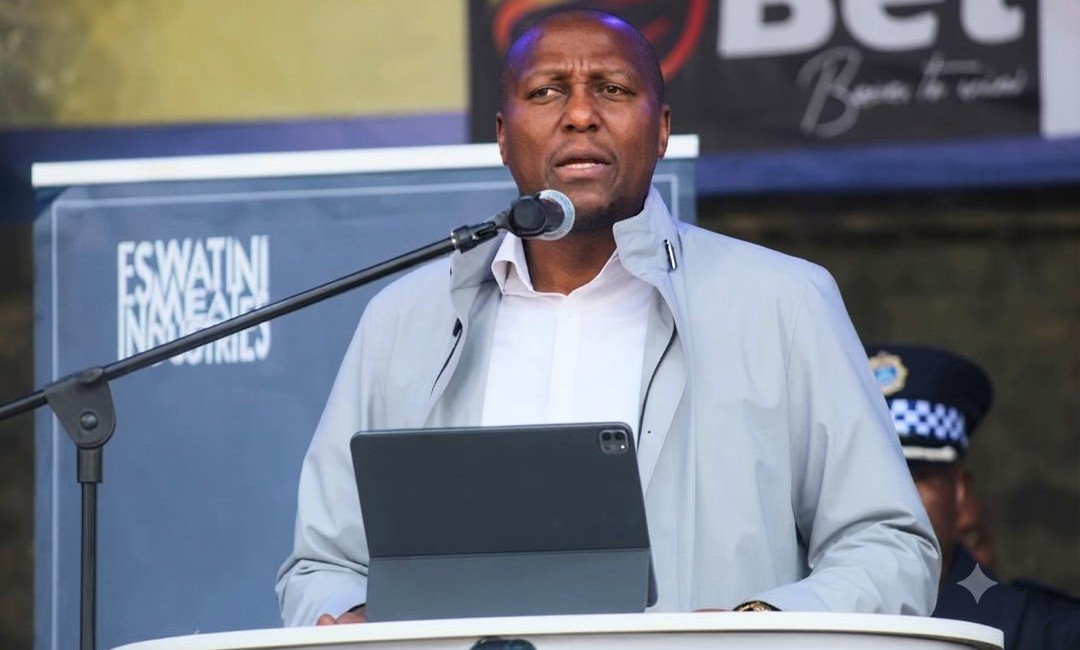
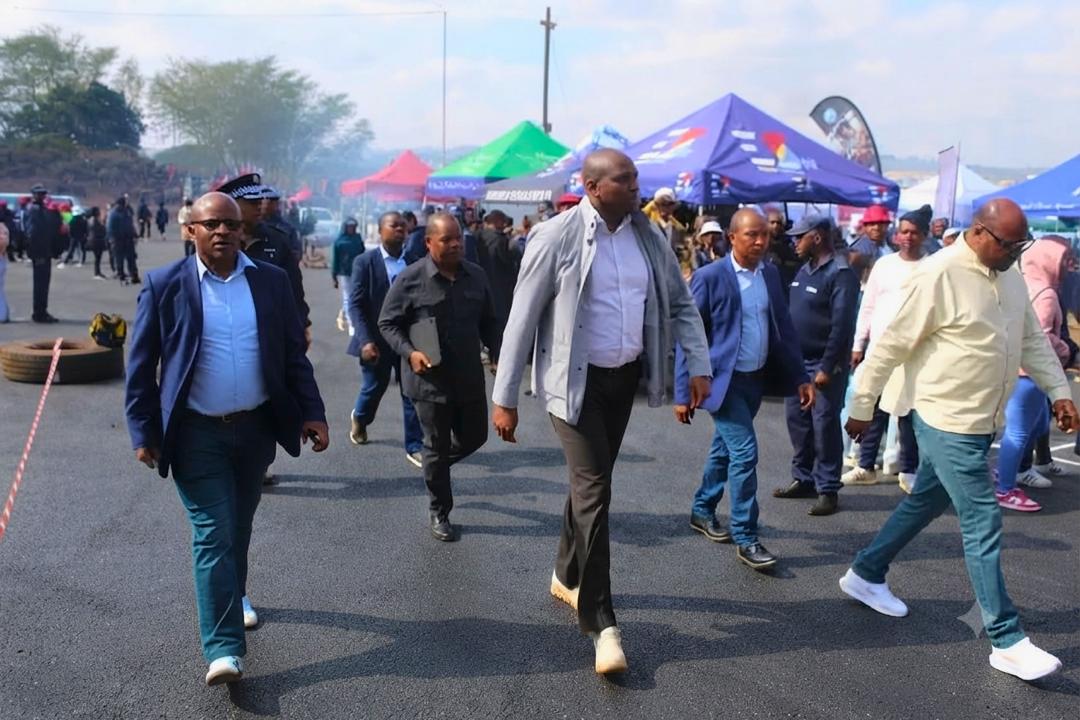
The attendance of His Excellency the Right Honourable Prime Minister Russell Mmiso Dlamini signalled more than government participation in a public event. It reflected growing appreciation that the country’s creative and cultural economy has an increasingly important role to play in economic diversification. Around the world, successful festivals have become catalysts for domestic consumption, destination marketing and private sector investment, with their economic value extending well beyond ticket sales or event-day spending.
Addressing patrons at the event, the Prime Minister expressed confidence that the Embiveni Biggest Braai has the potential to secure a place in the Guinness World Records. While the ambition carries symbolic significance, its economic implications could prove even more substantial. International recognition through a globally respected institution such as Guinness World Records would strengthen Eswatini’s visibility as a tourism destination, creating opportunities to attract regional and international visitors while enhancing the country’s reputation for hosting unique cultural experiences.
Destination branding has become one of the most competitive aspects of modern tourism. Countries increasingly compete not only through natural attractions but also through signature events capable of generating international media coverage and sustained visitor interest. Should the Embiveni Biggest Braai achieve world record status, the event could become one of Eswatini’s flagship tourism products, encouraging repeat visitation while stimulating investment in hospitality, transport, event management and supporting infrastructure.
Beyond tourism, the event illustrates the growing economic contribution of the experience economy, where consumers increasingly spend on memorable experiences rather than physical products alone. Every visitor attending the Biggest Braai generates demand across multiple sectors of the economy. Restaurants purchase additional supplies, retailers experience increased customer traffic, transport services benefit from higher passenger volumes and informal traders gain access to significantly larger markets than would ordinarily exist.
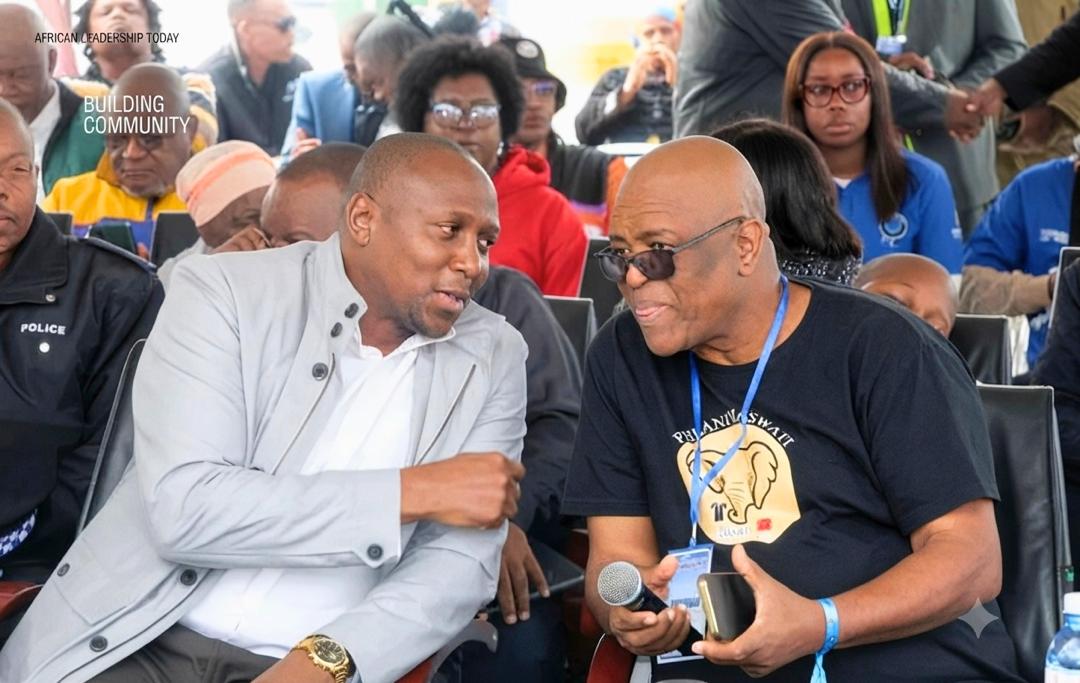
Prime Minister Dlamini also commended organiser Philani Maswati for building an initiative that continues to expand each year while promoting unity and social cohesion among emaSwati. From a business perspective, consistent annual growth is perhaps the strongest indicator of commercial sustainability. Events that demonstrate increasing attendance over successive years become more attractive to corporate sponsors, advertisers and strategic partners seeking access to concentrated consumer audiences.
For small and medium-sized enterprises, festivals of this scale represent accessible entry points into the formal events economy. Food producers, beverage suppliers, artisans, security companies, sound engineers, decorators, photographers and digital content creators all benefit from expanded commercial opportunities generated by a single large event. The multiplier effect extends beyond the organisers, distributing income across a broad network of businesses and service providers.
The success of the Embiveni Biggest Braai also highlights the commercial value of entrepreneurial vision. Transforming a local social concept into a nationally recognised event requires long-term investment, brand development, operational planning and stakeholder collaboration. Such ventures demonstrate that innovation within the creative economy can generate measurable economic activity while strengthening national identity.
As Eswatini continues pursuing economic diversification, initiatives capable of combining tourism, entrepreneurship, culture and private sector participation are likely to become increasingly important. The Prime Minister’s endorsement of the Guinness World Record ambition reflects an understanding that national competitiveness is no longer driven solely by traditional industries. Well-managed cultural events are increasingly recognised as investable economic assets capable of generating employment, attracting visitors, stimulating domestic spending and projecting a positive national image on the global stage.
The Embiveni Biggest Braai therefore represents more than an annual celebration. It offers a practical example of how cultural entrepreneurship, supported by strategic public recognition and sustained private sector participation, can contribute to building a more dynamic and diversified economy while positioning Eswatini as a destination whose cultural experiences carry both social and commercial value.