





By: Nkosiyabusa Nsibande
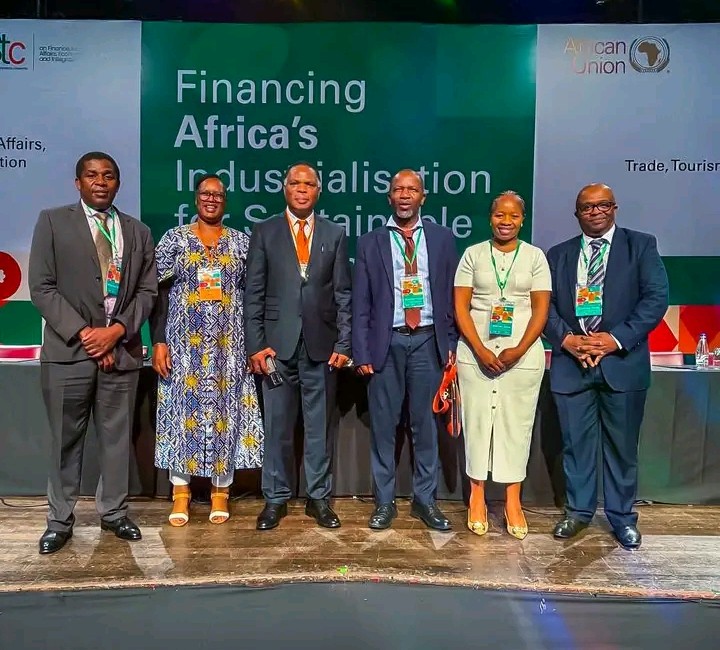
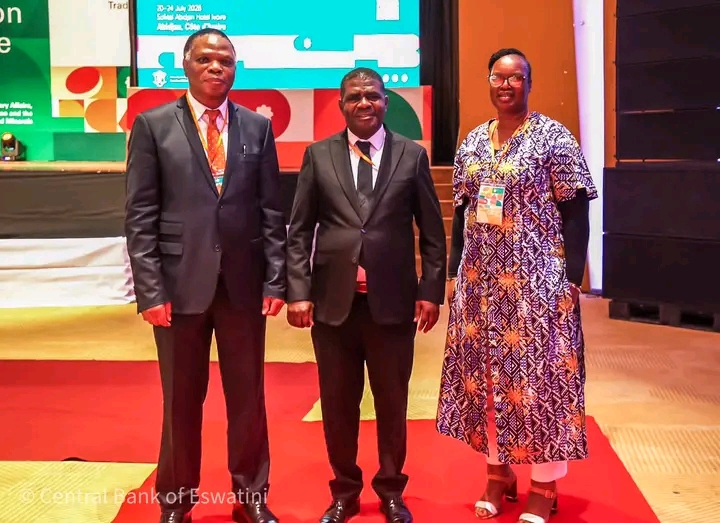
The participation of Central Bank of Eswatini Deputy Governor Felicia Dlamini-Kunene in the African Union’s Ninth Ordinary Session of the Specialized Technical Committee on Finance, Monetary Affairs, Economic Planning, and Integration represents more than diplomatic engagement. It reflects Eswatini’s continued involvement in shaping continental financial policies that will increasingly influence how African economies mobilize capital, finance productive investment, and position themselves for long-term economic growth.
Held in Abidjan, Côte d’Ivoire, the high-level meetings brought together finance ministers, central bank governors, economic planners, and senior government officials alongside the Fifth Specialized Technical Committee Session on Trade, Tourism, Industry, and Minerals. Convened under the theme “Financing Africa’s Industrialization for Sustainable Development,” the discussions recognized that industrial development cannot be sustained without financial systems capable of directing capital towards productive sectors of the economy.
For many African economies, the challenge is not simply attracting investment but establishing financial markets that can provide affordable, patient capital for manufacturing, infrastructure, technology, and industrial enterprises. Short-term lending structures, relatively high financing costs, and limited access to long-term credit continue to constrain industrial expansion across much of the continent. These structural weaknesses have made industrialization slower than policymakers had anticipated despite Africa’s abundant natural resources, growing population, and expanding consumer markets.
Against this backdrop, delegates examined ways of strengthening Africa’s financial architecture to ensure that domestic savings, institutional investment, and international capital can be mobilized more efficiently. Particular attention was given to financial reforms that broaden access to affordable long-term finance, recognizing that industrial projects typically require investment horizons extending well beyond the lending periods traditionally offered by commercial financial institutions.
The emphasis on strengthening financial architecture carries significant implications for central banks and financial regulators. Modern industrial economies rely on stable monetary systems, resilient banking sectors, and capital markets capable of supporting business expansion. Discussions therefore extended beyond public finance, focusing on how financial institutions can play a more active role in supporting productive sectors while maintaining financial stability and prudent regulation.
Equally important was the recognition that industrialization and regional integration are increasingly inseparable. As the African Continental Free Trade Area continues to reshape trade opportunities across the continent, financing mechanisms must evolve to support cross-border production networks, regional value chains, and industrial clusters capable of competing in international markets. Improved financial integration therefore becomes an essential complement to trade liberalization rather than a separate policy objective.

The meetings also culminated in the adoption of the Abidjan Declaration, a policy framework intended to guide the implementation of Agenda 2063, the Action Plan for Accelerated Industrial Development of Africa (AIDA), and related continental development initiatives. Beyond its political significance, the declaration provides a coordinated financial and economic roadmap that seeks to align investment priorities, policy reforms, and institutional cooperation around Africa’s long-term industrial ambitions.ll
For Eswatini, participation in these discussions reinforces the importance of aligning national financial sector reforms with broader continental priorities. As the country pursues industrial development, export diversification, and private sector-led growth, the evolving African financial agenda presents opportunities to strengthen access to regional investment, development finance, and collaborative financing mechanisms that extend beyond domestic markets.
Ultimately, the Abidjan meetings underscored an increasingly accepted reality among African policymakers: industrialization will depend not only on sound economic policy but also on the ability of financial systems to channel capital towards productive investment. For central banks, governments, and financial institutions alike, the challenge is no longer simply raising capital but ensuring that finance becomes an active driver of industrial transformation, economic resilience, and sustainable development across the continent.