




By: Nkosiyabusa Nsibande
For many small and medium-sized manufacturers, growth is rarely constrained by a shortage of ideas. More often, the greatest obstacle lies in securing affordable capital to transform those ideas into productive assets. Modern machinery, advanced production systems, and new technologies require significant upfront investment, yet commercial financing can be prohibitively expensive for businesses operating in developing economies. When financing becomes accessible and affordable, however, it changes the trajectory of a business by allowing investment decisions to focus on long-term value creation rather than short-term financial survival.
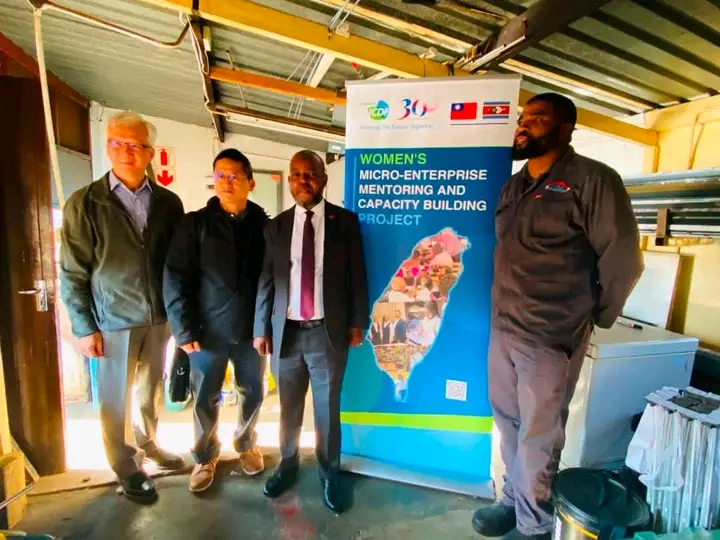
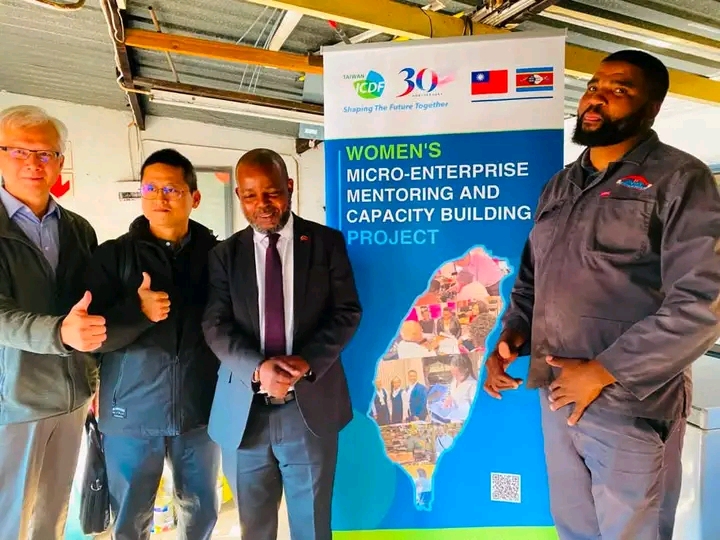
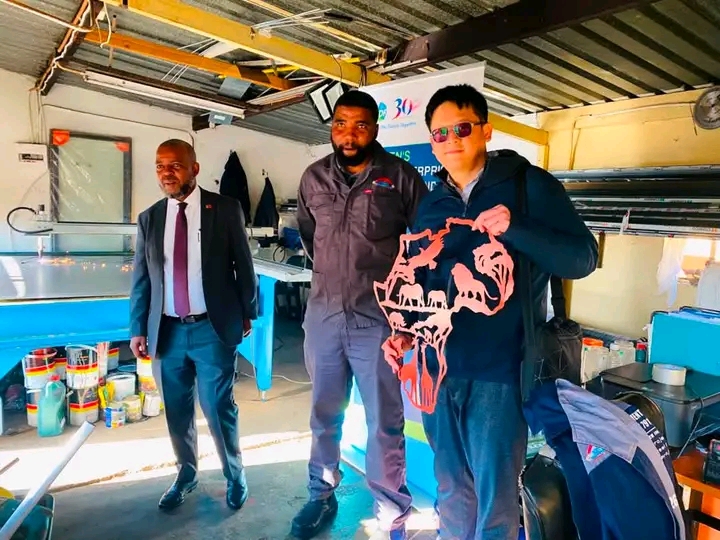
That reality is reflected in the experience of Avtex Investments, whose latest investment in advanced laser cutting technology illustrates the economic value of development finance when it is directed towards productive enterprise. Operating from its SEDCO facility in Manzini, the company has expanded its manufacturing capability after receiving financial support through the Taiwan ICDF Revolving Fund, enabling it to acquire equipment that would otherwise have represented a significant capital burden.
According to Avtex Investments Director Mkhuleko Shongwe, the financing has enabled the business to strengthen its production capacity while introducing technology that improves both speed and precision. The installation of advanced laser cutting equipment represents more than a technological upgrade; it is an investment in productivity, operational efficiency and the company’s long-term competitiveness within Eswatini’s manufacturing sector.
Manufacturing competitiveness is increasingly determined by a firm’s ability to produce consistently, minimize waste and respond quickly to customer demand. Modern laser cutting technology contributes directly to those objectives by delivering higher levels of accuracy, reducing material losses and shortening production cycles. These operational improvements lower production costs over time while allowing manufacturers to meet increasingly demanding quality standards in both domestic and regional markets.
The significance of affordable financing extends beyond the acquisition of machinery itself. These investments improve a business’s financial resilience by increasing productive capacity without forcing companies to delay expansion plans for years while accumulating sufficient internal capital. Development finance therefore plays a catalytic role, allowing businesses to accelerate growth while generating higher future revenues capable of sustaining continued investment.
For Eswatini’s industrial sector, such financing mechanisms also support broader national economic objectives. Manufacturing remains one of the country’s most important avenues for economic diversification, employment creation and value addition. When manufacturers are equipped with modern production technologies, they become better positioned to supply local industries, substitute imported products where feasible and pursue opportunities in export markets. The resulting expansion of industrial activity strengthens supply chains and contributes to wider economic growth.
The Taiwan ICDF Revolving Fund continues to demonstrate how targeted financial instruments can bridge financing gaps that often limit the growth of productive enterprises. Unlike conventional lending that may focus primarily on collateral, development-oriented financing seeks to unlock productive investment capable of generating measurable economic returns. By lowering financing barriers, such programs encourage businesses to modernize their operations while fostering innovation across priority sectors of the economy.
Avtex Investments’ investment therefore represents more than an individual business success story. It illustrates the multiplier effect that affordable finance can have when channeled towards productive assets rather than consumption. Every investment in improved manufacturing technology enhances efficiency, strengthens industrial capability and increases the potential for businesses to create sustainable employment while contributing to national economic development.
As Eswatini continues pursuing industrialization as a pillar of economic transformation, expanding access to affordable finance will remain fundamental. Businesses require capital that enables investment rather than merely supports survival. The experience of Avtex Investments demonstrates that when affordable financing is aligned with entrepreneurial ambition, it becomes a powerful instrument for modernizing industry, improving competitiveness, and laying the foundations for sustainable economic growth.

Other Articles

Green Climate Fund (GCF) Finance Gains Momentum
Africa Pushes to Finance Industrial Growth