






By: Nkosiyabusa Nsibande
The construction of a E50 million industrial development by Lituba Investments (Pty) Ltd marks another significant addition to Eswatini’s growing industrial landscape, with the project expected to generate approximately 550 direct jobs while expanding the country’s productive capacity in manufacturing and commercial enterprise. Beyond the immediate employment opportunities, the investment represents a strategic injection of private capital into sectors capable of strengthening domestic value addition, reducing dependence on imports, and supporting the country’s broader industrialization agenda.
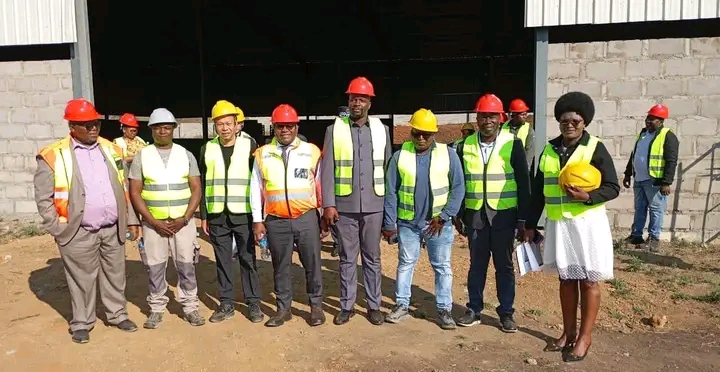
During a visit to the development site, the Honourable Minister of Commerce, Industry, and Trade, Manqoba Khumalo, described the investment as an important milestone in Government’s efforts to accelerate industrial growth and improve economic opportunities for emaSwati. The development is designed around three complementary components: a plastic manufacturing plant expected to employ about 150 people, a mixed-use residential and office complex, and a retail factory projected to create a further 400 jobs once operational.
The structure of the investment reflects an increasingly important trend in industrial development, where manufacturing facilities are supported by commercial and property infrastructure that creates integrated business ecosystems rather than isolated production sites. Such developments not only generate employment on the factory floor but also stimulate demand for professional services, logistics, maintenance, property management and retail activities that support industrial operations.

For Eswatini’s economy, the project carries significance beyond its construction value. Manufacturing remains one of the sectors capable of producing sustainable employment while contributing to export competitiveness and domestic industrial resilience. Investments in production facilities increase the country’s capacity to transform raw materials into finished products locally, allowing greater retention of economic value within national borders while strengthening supply chains for both domestic and regional markets.
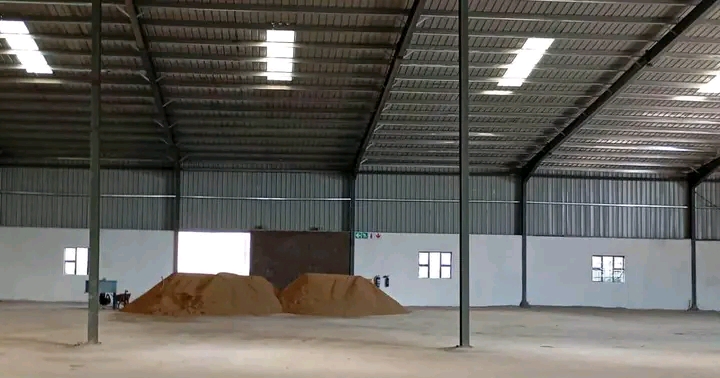
The project, currently under construction by KDE Engineering, is scheduled for completion in October 2026, after which machinery installation will commence ahead of operational launch. This phased approach reflects the capital-intensive nature of industrial investments, where significant expenditure extends beyond civil works into production equipment, technology installation, and operational commissioning before commercial output begins.
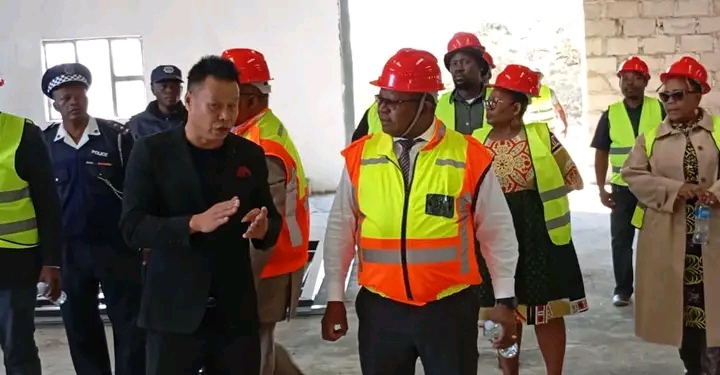
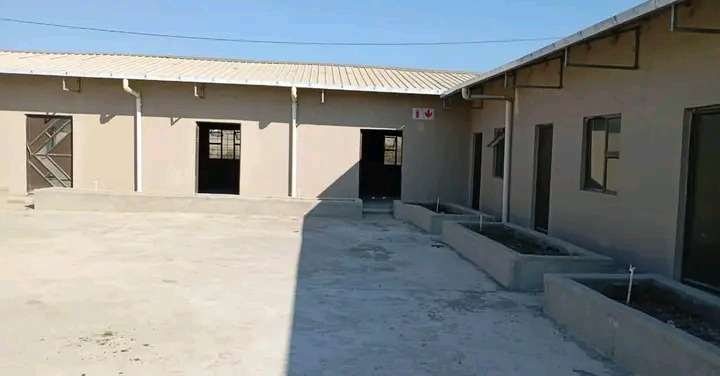
Speaking during the site visit, Minister Khumalo challenged all Tinkhundla across the country to work proactively with their communities in identifying suitable land for industrial development and collaborating with Government on the construction of factory shells. His remarks point towards a broader investment strategy that prioritizes industrial readiness by ensuring that serviced infrastructure is available before investors commit capital.
From a financial perspective, factory shell development reduces one of the largest upfront costs faced by manufacturers entering new markets. By lowering initial capital requirements and shortening project implementation timelines, ready-built industrial facilities can improve Eswatini’s competitiveness in attracting both domestic entrepreneurs and foreign direct investment. This model has the potential to accelerate investment decisions while encouraging businesses to direct more capital towards machinery, technology, and workforce development instead of property construction.
The proposal also carries important implications for regional economic inclusion. Establishing industrial facilities across multiple Tinkhundla would distribute investment more evenly beyond traditional commercial centers, creating opportunities for rural industrialization, local supplier development, and increased household incomes. As employment expands, consumer spending typically rises, creating additional demand for financial services, housing, transport, retail businesses, and other sectors that benefit from stronger economic activity.
For investors and policymakers alike, the Lituba Investments development demonstrates the multiplier effect of industrial capital expenditure. Every manufacturing project extends beyond the factory gates, supporting construction firms, equipment suppliers, transport operators, service providers, and financial institutions throughout the investment cycle. When replicated at scale, such developments become important drivers of economic diversification, improved productivity, and sustainable private sector growth.
As Eswatini continues pursuing industrial-led economic transformation, investments of this nature provide a practical illustration of how strategic capital deployment, supportive public policy, and infrastructure development can combine to strengthen the country’s productive economy. The success of projects such as Lituba Investments will ultimately be measured not only by the number of jobs created but also by their ability to stimulate further investment, deepen local manufacturing capability, and contribute to long-term economic resilience.

Other Articles

Green Climate Fund (GCF) Finance Gains Momentum