





By: Nkosiyabusa Nsibande
With only days remaining before the 8th edition of the Standard Bank Luju Festival, excitement is steadily building across Eswatini and the wider Southern African region. More than a music festival, Luju has evolved into one of the country’s most valuable cultural and tourism assets, attracting thousands of visitors, supporting local businesses and positioning Eswatini as a destination for premium African lifestyle experiences. This year’s line-up pays tribute to musical excellence by bringing together artists whose careers have not only stood the test of time but have also influenced generations of performers across the continent.
For many festivalgoers, the weekend will be an opportunity to relive the soundtracks that defined different chapters of African music. From Kwaito’s rise in South Africa’s townships to the timeless sophistication of jazz and the soulful sounds born in the Kingdom of Eswatini, Luju promises performances that bridge generations while celebrating African identity through music. The artists selected for this year’s festival are not merely entertainers; they are cultural institutions whose influence extends beyond the recording studio into community development, entrepreneurship and heritage preservation.
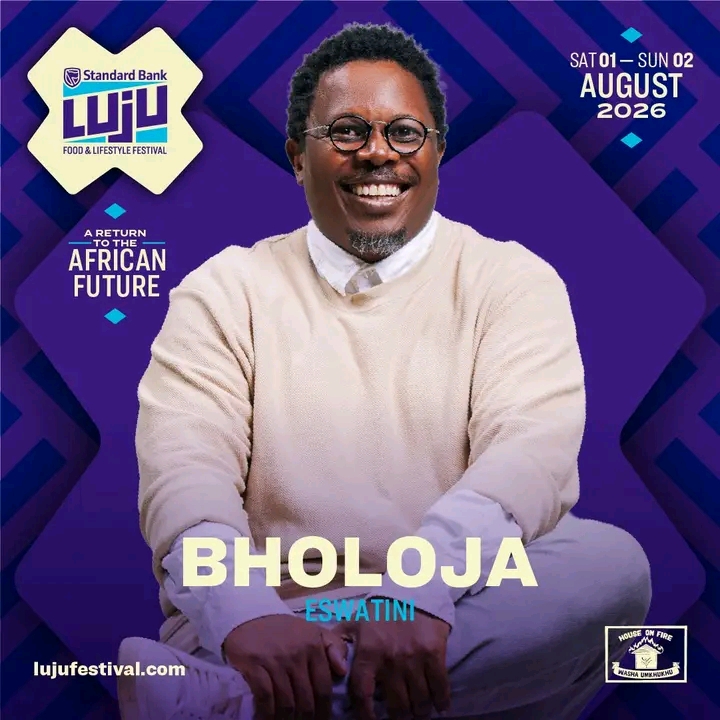
Bholoja – Eswatini’s Swazi Soul Ambassador
Born Mbongiseni Ngubane in the Kingdom of Eswatini, Bholoja has spent more than two decades crafting a sound that has become uniquely his own. His signature Swazi Soul seamlessly blends alternative soul, jazz, blues, gospel and traditional African rhythms into music that is deeply rooted in emaSwati culture while remaining accessible to international audiences. His songs often explore themes of identity, hope, social justice and cultural pride, earning him recognition as one of Eswatini’s most authentic musical voices.
Bholoja occupies a unique position in the country’s music industry. Long before Eswatini artists began receiving wider continental recognition, he had already built an international profile through the strength of his songwriting and live performances. Sharing stages with legendary artists such as Hugh Masekela, Erykah Badu, and Oliver Mtukudzi introduced global audiences to Swazi Soul and demonstrated that music from Eswatini could compete on the world’s biggest stages without compromising its cultural identity.
Away from the spotlight, Bholoja has invested heavily in nurturing the next generation of artists through the Bholoja Arts and Talent Empowerment Foundation (BATEF). His work in arts education and youth development reflects a broader commitment to ensuring that music remains a vehicle for cultural preservation and economic opportunity. His return to Luju Festival therefore represents more than another performance; it is a celebration of a home-grown artist whose success has carried Eswatini’s flag across Africa and beyond.
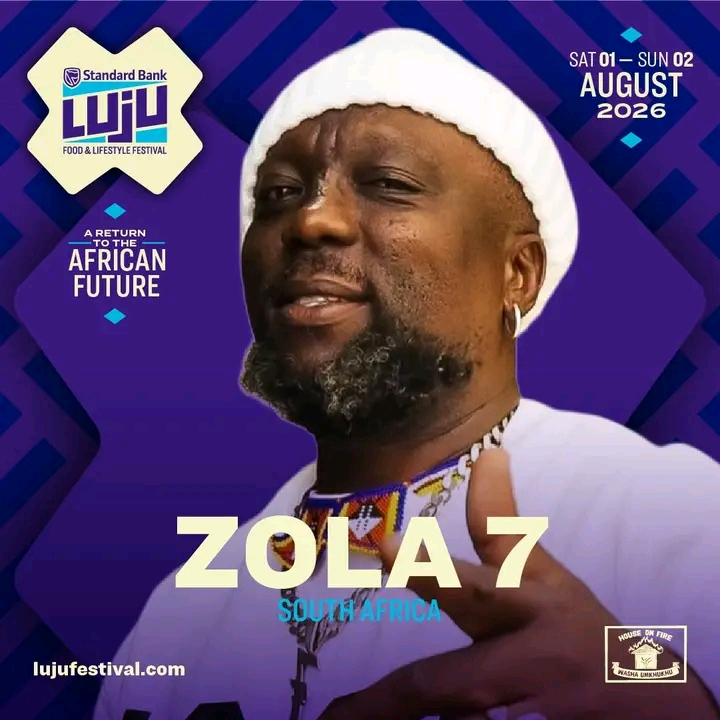
Zola 7 – The Voice That Changed Kwaito
Few artists embody the social history of South African Kwaito as powerfully as Bonginkosi “Zola” Dlamini. Emerging from the streets of Soweto, Zola built his reputation by rejecting the notion that Kwaito should exist solely as party music. Instead, he transformed it into a platform for telling the stories of township life, confronting issues such as crime, unemployment, violence, and inequality through brutally honest lyrics that resonated with ordinary South Africans.
His breakthrough came under the independent label Ghetto Ruff Records, where he quickly established himself as one of the country’s most influential musicians. Industry leaders famously described him as one of South Africa’s biggest cultural brands, reflecting the enormous impact he had on popular culture. Beyond recording successful albums, Zola also founded Guluva Entertainment, allowing him to create opportunities for emerging artists while expanding his influence beyond performing.
What distinguishes Zola from many of his contemporaries is his commitment to community development. Throughout his career, he has consistently used his platform to mentor young musicians, encourage youth empowerment, and challenge the social conditions that shaped his own upbringing. His music, delivered in isiZulu with the rich flavor of Tsotsitaal, speaks directly to township communities while remaining universally relevant. Audiences attending Luju can therefore expect more than nostalgia; they will witness an artist whose catalogue captures the hopes, frustrations, and resilience of a generation.
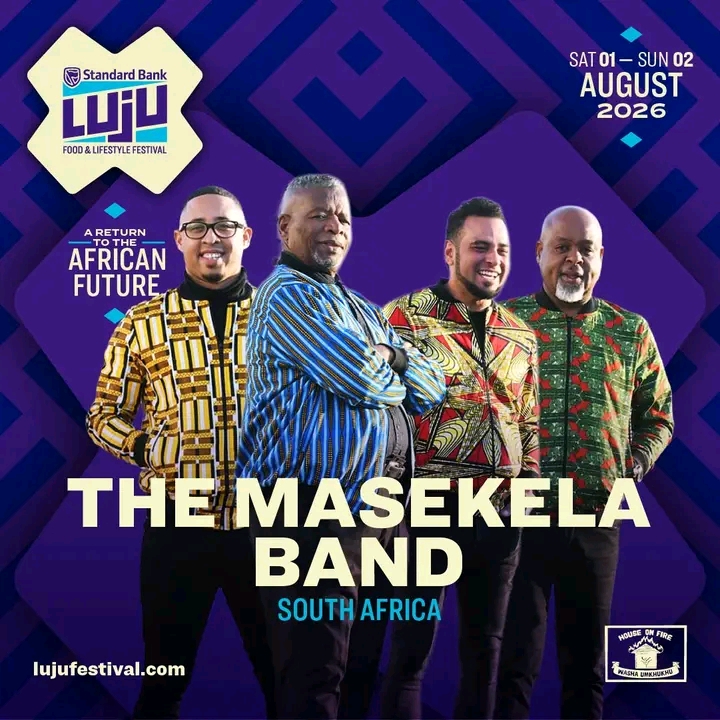
Hugh Masekela’s Touring Band – Preserving the Legacy of an African Giant
Some performances transcend entertainment and become moments of living history. That is precisely what audiences can expect when the musicians who toured alongside the late Hugh Masekela take to the Luju stage. These accomplished instrumentalists shared the stage with Bra Hugh for the final 15 years of his remarkable career, performing at prestigious venues including Carnegie Hall, the North Sea Jazz Festival, and numerous international cultural celebrations.
Together, they helped shape the live performances of one of Africa’s greatest musical ambassadors. Every arrangement, solo, and rhythm section contributed to the unmistakable sound that made Hugh Masekela a global icon. Their experience represents decades of musical excellence accumulated across continents, audiences, and cultures.
Since Masekela’s passing in 2018, the band has dedicated itself to ensuring that his music continues to inspire new generations. They have headlined tribute concerts, appeared at leading jazz festivals, and collaborated with renowned African artists while preserving the spirit and integrity of Masekela’s work. Their appearance at Luju offers festivalgoers a rare opportunity to experience the musicians who helped define African jazz during one of its most celebrated eras, ensuring that Bra Hugh’s legacy continues to resonate long after his final performance.
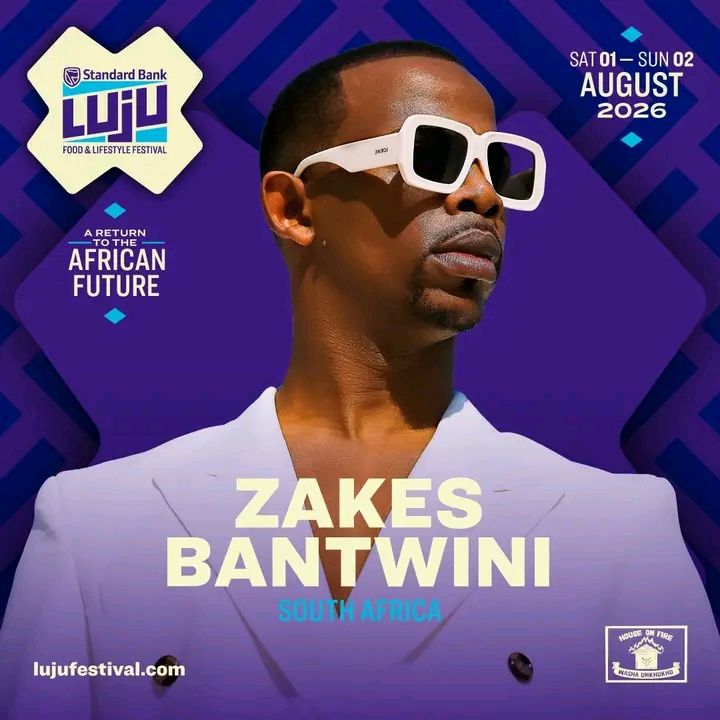
Zakes Bantwini: The Business Mind Behind Modern African Music
Grammy Award-winning producer, songwriter, and performer Zakes Bantwini has built a career that illustrates how artistic creativity and entrepreneurship can thrive together. Over two decades, he has evolved from a respected Kwaito producer into one of Africa’s leading Afro-house innovators, consistently adapting his sound while remaining deeply connected to his musical roots.
His entrepreneurial journey began with the establishment of Mayonie Productions in 2004, a company that became instrumental in producing commercially successful music and launching new talent. One of his earliest success stories was helping introduce L’vovo Derrango to mainstream audiences, demonstrating Bantwini’s ability not only to create hit records but also to identify and develop future stars.
Albums such as The Fake Book and Real Book: My Music Bible, Love, Light and Music, Ghetto King, and The Star Is Reborn reflect his willingness to experiment across genres while maintaining a distinctly African identity. Songs including “Clap Your Hands,” “Osama,” and “Mama Thula” have enjoyed both commercial success and critical acclaim, cementing his reputation as an artist capable of producing music that resonates from township dance floors to international festivals.
Beyond the awards and chart success lies an accomplished businessman who understands the commercial value of intellectual property, artist development, and brand building. His career demonstrates how African musicians can successfully combine creativity with entrepreneurship, creating sustainable businesses that extend well beyond album sales and live performances.
As the countdown to the Standard Bank Luju Festival gathers momentum, the anticipation extends beyond simply watching celebrated performers take the stage. This year’s program brings together artists whose influence has shaped African music, preserved cultural heritage, and inspired countless careers. Their stories reflect resilience, innovation, and artistic excellence, qualities that have made Luju one of Southern Africa’s premier lifestyle festivals. For audiences in Eswatini, the weekend promises timeless classics, unforgettable live performances, and a celebration of African music at its very best.

Other Articles