







By: Nkosiyabusa Nsibande
Climate finance is steadily becoming one of the world’s fastest-growing sources of development capital, and Eswatini is positioning itself to secure a larger share of that investment. As governments increasingly compete for concessional funding to finance adaptation and resilience projects, the ability to prepare credible, investment-ready proposals has become as important as identifying climate challenges themselves.
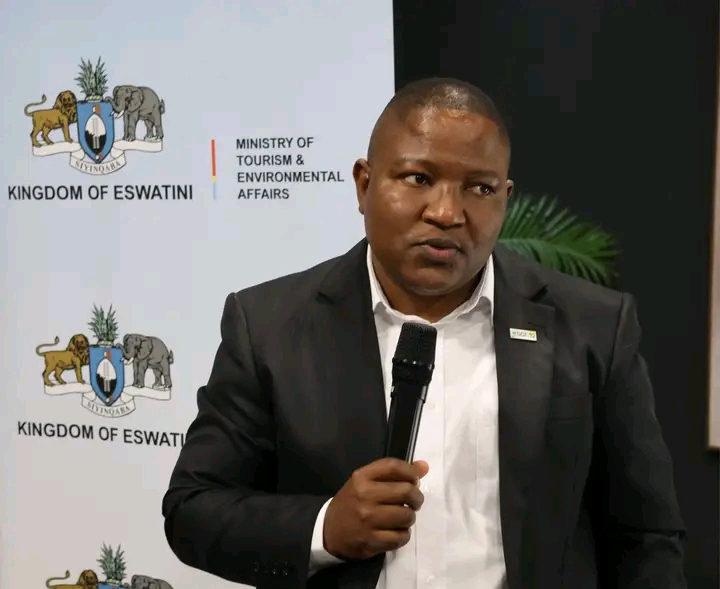
Against this backdrop, the Green Climate Fund (GCF) Country Engagement and Programming Mission has provided Eswatini with an opportunity to strengthen its climate investment pipeline. The Ministry brought together government agencies, development partners, project developers, financial institutions, and beneficiaries to identify projects capable of meeting international funding standards while advancing national development priorities.
The participation of Marie Tajima, Climate Investment Associate Principal for the Africa Region at the Green Climate Fund, reflected the strategic importance of ensuring that Eswatini’s proposed investments are structured to satisfy the technical, governance, and financial requirements demanded by one of the world’s largest climate finance institutions.

From Climate Policy to Investment Strategy
The discussions extended well beyond environmental management. They focused on building projects that can attract long-term capital by demonstrating measurable economic, environmental, and social returns.
International climate financiers increasingly require projects to demonstrate financial sustainability, institutional capacity, and measurable development outcomes before funding is approved. This means countries must prepare projects with the same level of financial discipline expected by commercial investors.
For Eswatini, strengthening this pipeline is essential if climate finance is to become a meaningful source of investment rather than an occasional development grant. “Climate finance is no longer simply about protecting the environment. It has become an increasingly important source of investment capital capable of financing infrastructure, agriculture, and economic resilience.”

Investment Priorities Taking Shape
Among the projects discussed was the Strengthen Urban Resilience in Eswatini (SURE) Project, which seeks to support the development of climate-resilient urban centers. Investments in resilient infrastructure can reduce disaster-related losses, protect productive assets, and lower the long-term fiscal costs associated with floods, droughts, and extreme weather events.
Participants also reviewed the proposed Scaling Climate-Resilient Agricultural Finance and Services for Farmers in the Eswatini initiative. The program aims to strengthen farmers’ access to finance, climate-smart technologies, and services that improve resilience against increasingly unpredictable weather patterns. For the financial sector, climate-smart agriculture presents growing opportunities to expand agricultural lending while reducing long-term credit risk through improved resilience and productivity.
Strengthening Direct Access to Global Capital
One of the most financially significant discussions centered on the accreditation processes of the Eswatini Environment Authority (EEA) and Eswatini Bank.
Accreditation would enable national institutions to access and manage Green Climate Fund resources directly instead of relying primarily on internationally accredited entities. Besides shortening funding channels, direct accreditation strengthens domestic financial institutions, builds technical expertise, and increases national ownership of climate investment programs. This represents an important institutional milestone because countries with accredited national entities generally enjoy greater flexibility in designing projects aligned with local economic priorities while retaining stronger oversight of implementation and financial management.
“Institutional capacity is becoming as valuable as project design. Without accredited national institutions, access to international climate finance remains constrained.”
Climate Finance as Development Capital
The expansion of Eswatini’s Green Climate Fund programming pipeline reflects a broader shift in development financing. Climate finance is increasingly viewed as long-term investment capital capable of supporting economic transformation while reducing exposure to climate-related financial risks.
For developing economies facing constrained fiscal space, concessional climate finance provides an opportunity to invest in infrastructure, agricultural productivity, and environmental sustainability without placing additional pressure on government borrowing. If the current pipeline progresses successfully, climate finance could become an increasingly important pillar of Eswatini’s long-term investment strategy, complementing traditional public expenditure while attracting additional development finance into sectors critical for future economic growth.
Key Financial Insights
Investment Pipeline: Building bankable projects increases Eswatini’s ability to compete for international climate finance.
Agricultural Finance: Climate-smart lending can improve productivity while reducing agricultural credit risk.
Urban Investment: Resilient infrastructure protects economic assets and reduces future reconstruction costs.
Institutional Capacity: Accreditation of local institutions strengthens direct access to global climate funding.
Fiscal Sustainability: Concessional climate finance supports development without significantly increasing public debt pressures.
Why It Matters to Business
For businesses, climate finance extends well beyond environmental programs. Manufacturers require resilient infrastructure to protect production, financial institutions gain opportunities to expand green lending portfolios, insurers benefit from reduced climate-related risks, and agribusinesses can access new financing instruments designed to improve productivity.
Companies that align their investment strategies with sustainability objectives are also becoming more attractive to international investors and development finance institutions. As global capital increasingly favors climate-resilient investments, businesses operating in sustainable agriculture, renewable energy, infrastructure, environmental services, and green technologies stand to benefit from expanding financing opportunities.
For Eswatini’s private sector, the country’s growing engagement with the Green Climate Fund signals the emergence of new financing avenues that could support business expansion while contributing to a more resilient and competitive economy.