



Two-day technical session highlights efficiency gains and sets stage for decisive Steering Committee meeting
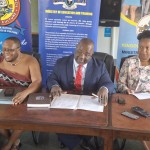
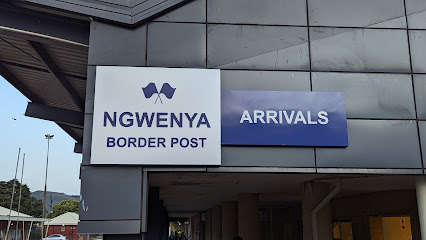
Oshoek/Ngwenya Border Post – Eswatini and South Africa have taken a significant step toward strengthening trade facilitation and border efficiency with the commencement of a two-day technical working session at Ndalo Lodge, Oshoek, under the Eswatini National Trade Facilitation initiative. The session focuses on advancing the Joint Action Plan for the Oshoek–Ngwenya border post.
The meeting brings together border agencies and key stakeholders from both countries as part of preparations for the upcoming Steering Committee session scheduled for 6th August 2026. Discussions are centred on improving trade flows through coordinated investments in border infrastructure, enhanced ICT systems, legal and policy alignment, and strengthened operational cooperation.
Keynote speakers at the opening session underscored the importance of sustained collaboration and practical implementation.

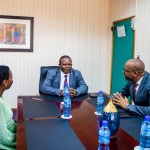
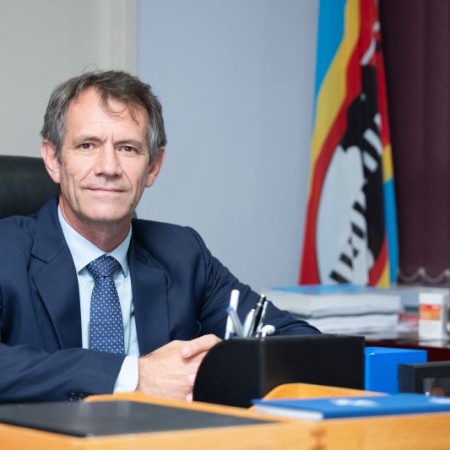
Representing the World Bank, Mr Bruce Ellison commended Eswatini and South Africa for their strong bilateral partnership, noting that such cooperation remains uncommon globally. He urged both countries to build on the current momentum and take decisive action to sustain progress.
From Eswatini, Ms Precious Chauya, Director Customs at the Eswatini Revenue Service, emphasised the need to facilitate seamless border movement while maintaining regulatory integrity. She highlighted the importance of balancing efficiency with compliance to support trade without compromising security.

On behalf of South Africa, Ms Vonani Nthlabyane – Customs: Head Land Modality at the South African Revenue Service (SARS) delivered a comprehensive address outlining progress achieved under the Joint Action Plan. She noted significant improvements, including reduced truck turnaround times, enhanced risk management systems, coordinated inspections, and improved cross-border system connectivity. Ms Nthlabyane stressed that while these gains are encouraging, sustained efforts are required to transition pilot initiatives into fully integrated, end-to-end border processes. She called for evidence-based reporting, transparency on outstanding challenges, and a unified approach among border agencies to deliver a seamless and predictable border experience.
The working session is expected to produce a consolidated progress report, an updated Joint Action Plan tracker, and a clear set of recommendations for consideration by the Steering Committee. Ultimately, the initiative aims to enhance the efficiency, security, and reliability of the Oshoek–Ngwenya corridor, benefiting traders, transporters, and travellers alike.

Other Articles