



By: Nkosiyabusa Nsibande
For decades, education investment has largely been measured through spending on
classrooms, science laboratories, digital technology and technical skills. Yet as
economies increasingly compete through innovation, intellectual property and the
creative industries, culture is emerging as another strategic economic asset. The
Ministry of Education and Training’s launch of Schools Cultural Villages, known as
Culture Hubs, reflects this changing thinking by positioning cultural education as an
investment in human capital and a future driver of economic growth.
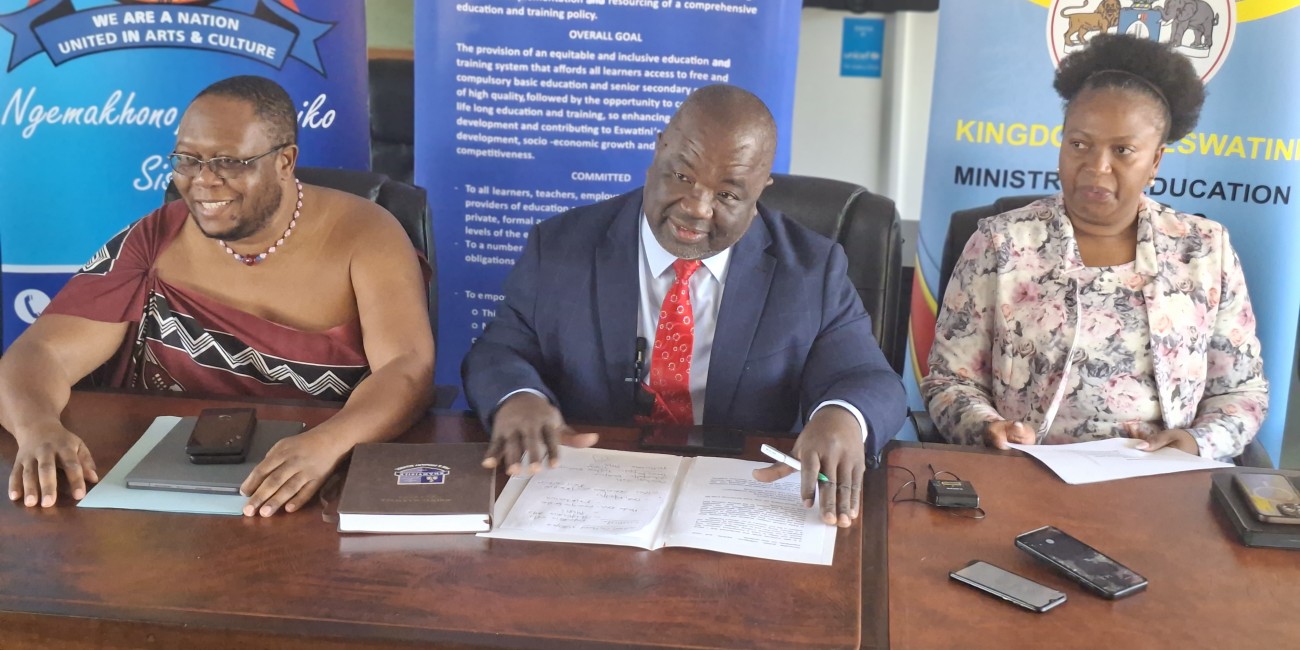
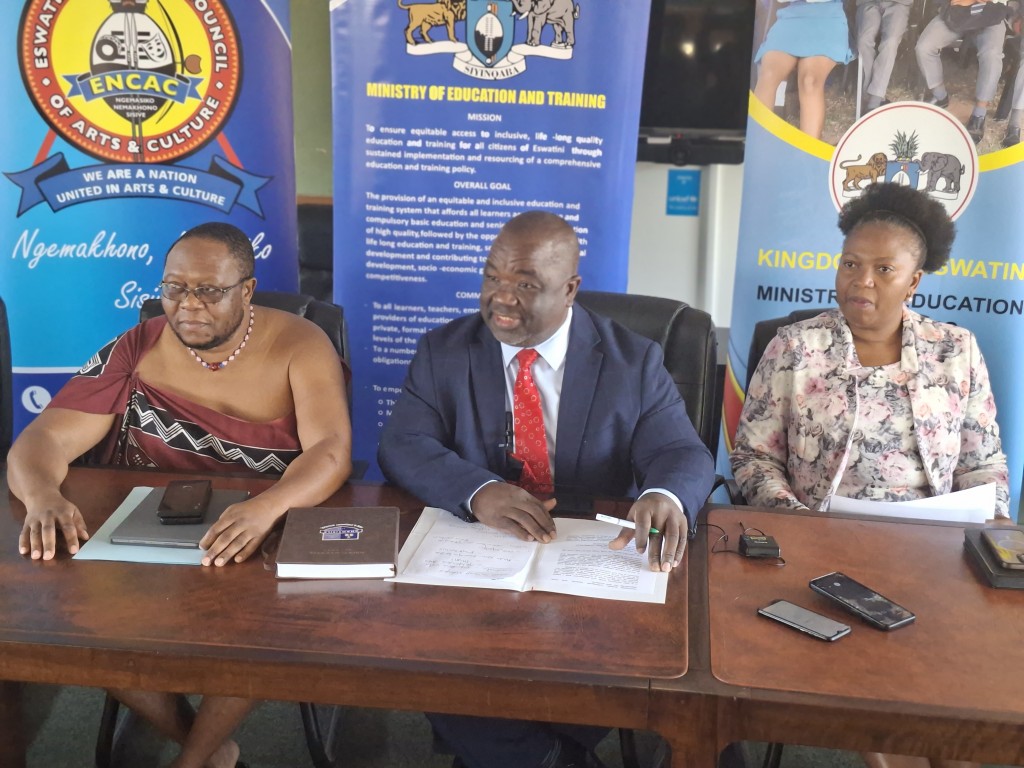
Speaking during the official launch, Minister of Education and Training Hon. Owen
Nxumalo said education must prepare learners for more than academic success.
“Education is not merely about academic achievement within four classroom walls; it is
about holistic development, personal identity, and preparing our young people to
navigate the world without losing touch with who they are,” he said. His remarks
highlight a broader policy direction in which education is expected to produce graduates
who are not only employable but also capable of contributing to industries where
creativity, innovation and cultural identity generate economic value.
The initiative comes at a time when governments across the world are recognising the
growing contribution of the creative economy to national development. Industries such
as music, fashion, film, crafts, design, cultural tourism and digital content are
increasingly becoming sources of employment, exports and investment. For Eswatini,
embedding cultural learning within the education system creates opportunities todevelop future entrepreneurs, artists and innovators who can transform indigenous
knowledge into commercially viable products and services while preserving the
country’s cultural heritage.
Minister Nxumalo stressed that providing quality education also means ensuring it
remains relevant to the country’s social and economic realities. “The Ministry of
Education and Training has a mandate to provide access to relevant, high-quality
education for all citizens. Relevance means grounding our learners in the rich traditions,
values and indigenous knowledge of Eswatini. Through these Culture Hubs, we are
taking active steps to reintroduce, preserve and transmit our culture directly to the
young generation,” he said.

Rather than limiting cultural education to textbooks, the Schools Cultural Villages will
provide practical learning experiences where learners participate in traditional dances,
indigenous crafts, visual arts, storytelling, traditional food preparation, heritage
workshops and educational demonstrations of traditional ceremonies. While these
activities strengthen cultural identity, they also introduce practical skills that can support
future careers in cultural tourism, event management, performing arts, fashion, craft
production and other creative enterprises. These sectors have become important
sources of employment and small business development in many emerging economies.
A key feature of the programme is its emphasis on identifying talent early. According to
the Minister, “These Culture Hubs will serve as creative platforms for talent
identification, unearthing and nurturing artistic talent at an early stage, encouraging
learners to blend heritage with modern creativity while preserving the wisdom of our
ancestors through practical engagement.” From an economic perspective, early
investment in artistic talent increases the likelihood of developing sustainable careers
built around intellectual property, creative services and cultural entrepreneurship. Such
investments strengthen the pipeline of future creators who can compete in both
domestic and international markets.
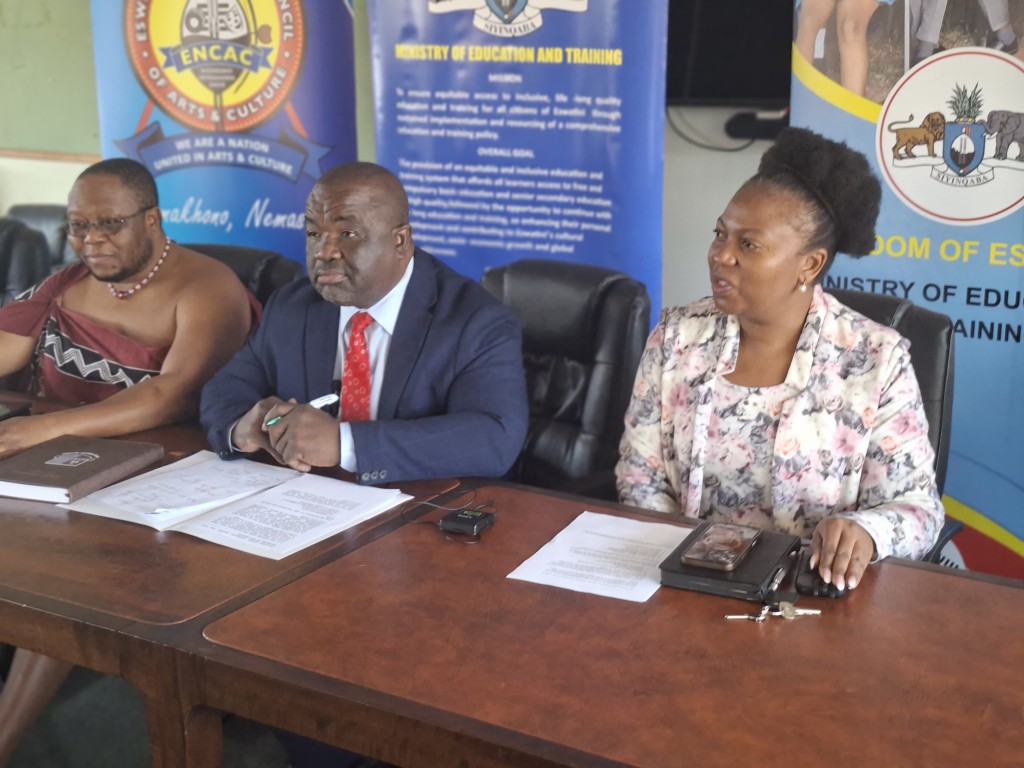
The programme also introduces a governance framework designed to improve
accountability and long-term sustainability. A Joint Steering Committee comprising
representatives from the Ministry of Education and Training and the Eswatini National
Council of Arts and Culture will oversee implementation, monitor progress and evaluate
outcomes before expanding the initiative to more schools. This structured approach
reflects growing recognition that public investment programmes require measurable
outcomes and continuous assessment to ensure they deliver both educational and
economic value.
Beyond preserving tradition, the initiative demonstrates that cultural assets can be
developed as productive economic resources. Countries with strong creative sectors
increasingly generate value through cultural exports, heritage tourism, entertainment
and locally developed intellectual property. By introducing learners to indigenous
knowledge while encouraging creativity and innovation, Eswatini is investing in sectors
that have the potential to diversify economic activity, create employment opportunities
and strengthen the country’s competitiveness in the knowledge economy.
Closing the launch, Minister Nxumalo underscored the importance of preserving identity
while preparing learners for an increasingly interconnected world. “A nation that forgets
its roots loses its future. By founding these School Cultural Villages today, we ensure
that as our learners step out into a globalised world, they stand firm, rooted in their
identity as Emaswati.” While the immediate objective is to preserve culture, the longer-
term significance of the initiative lies in its potential to build a stronger creative economy,
expand entrepreneurship opportunities and transform cultural heritage into a
sustainable economic asset for future generations.