





By: Nkosiyabusa Nsibande
Eswatini has taken another significant step towards building a more inclusive and evidence-driven financial sector following the official launch of the FinScope Eswatini 2026 Consumer Survey by Central Bank Governor Dr. Phil Mnisi. More than a routine data collection exercise, the survey is expected to become one of the country’s most important financial intelligence tools, providing policymakers with measurable insights into how ordinary emaSwati access, use and benefit from financial services.
For financial institutions, regulators and investors, reliable consumer data has become an increasingly valuable economic asset. As financial inclusion moves beyond simply opening bank accounts towards improving financial resilience and household prosperity, governments require accurate information to determine whether existing policies are producing meaningful outcomes. The FinScope survey seeks to answer precisely that question by assessing whether regulatory reforms and financial sector initiatives are improving access to finance, encouraging active usage of financial products, strengthening consumer confidence and ultimately delivering better financial outcomes for citizens and businesses.
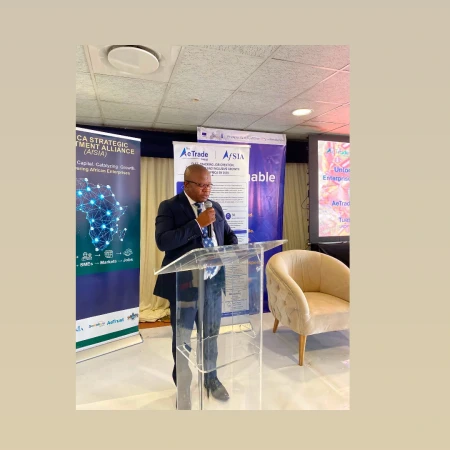
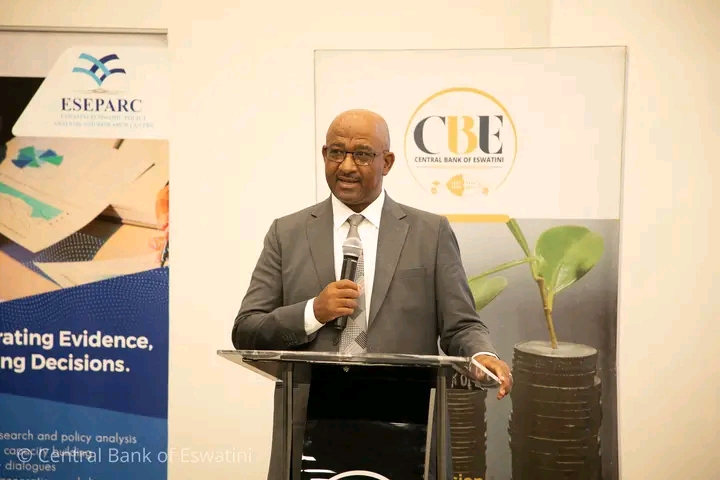
Speaking during the launch, Governor Dr. Phil Mnisi emphasized that the survey will provide evidence capable of shaping the next generation of financial sector reforms. He noted that its findings will support the development of stronger gender-responsive policies while ensuring future interventions remain inclusive, equitable, and responsive to the realities experienced by consumers. Such an approach reflects a growing international recognition that financial inclusion is not measured solely by the number of people within the banking system, but by whether financial services genuinely improve livelihoods, reduce vulnerability and expand economic participation.

From a financial policy perspective, the survey arrives at an important moment. Eswatini continues implementing the National Financial Inclusion Strategy while simultaneously pursuing broader economic transformation through enterprise development, digital financial services, and greater participation of women, youth, and underserved communities in the formal economy. Reliable consumer-level evidence enables regulators to identify persistent market gaps, understand barriers to financial access, and evaluate whether public and private sector investments are reaching their intended beneficiaries. This creates a stronger foundation for allocating resources more efficiently and designing interventions that generate measurable economic impact.
Deputy Governor Felicia Dlamini Kunene highlighted the survey’s nationwide scope, explaining that researchers will engage households and communities across all four regions of the country. Beyond collecting statistical information, the exercise aims to capture the lived financial experiences of ordinary emaSwati, including their spending patterns, savings behavior, borrowing needs, financial challenges and long-term aspirations. These insights will allow policymakers to understand better how consumers interact with financial services and where improvements are needed to make financial products more accessible, affordable, and relevant.
The survey also reinforces a broader shift towards consumer-centered regulation. Financial sector performance is increasingly evaluated not only through indicators such as banking profitability or asset growth, but also through measures of consumer wellbeing, financial capability and trust in financial institutions. By incorporating the perspectives of households and small businesses into future policy formulation, Eswatini is positioning itself to build a financial system that responds more effectively to the needs of its citizens while supporting sustainable economic growth.

Implementation of the FinScope Eswatini 2026 Consumer Survey will be undertaken through a partnership involving the Central Bank of Eswatini, FinMark Trust, ESEPARC and the Central Statistical Office. The collaboration brings together expertise in financial inclusion research, economic policy analysis and official statistics, strengthening the credibility of the findings and enhancing their value for both domestic policymaking and international development partners.
For the financial sector, the survey’s greatest contribution may lie in its ability to transform data into policy confidence. Banks, insurers, fintech companies and development finance institutions depend on accurate market intelligence when designing products, allocating capital and expanding services. By revealing where financial exclusion persists and identifying emerging consumer needs, the FinScope Eswatini 2026 Consumer Survey is expected to become an essential reference point for investment decisions, regulatory reforms and financial innovation that support inclusive economic growth.