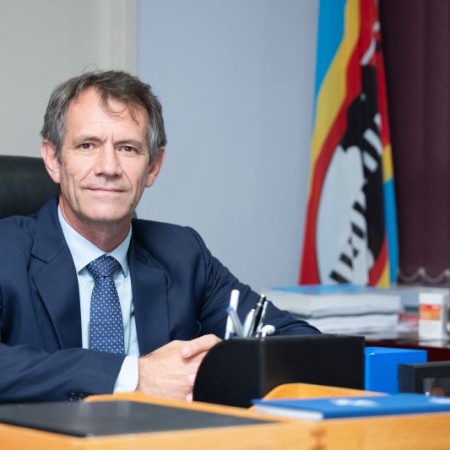





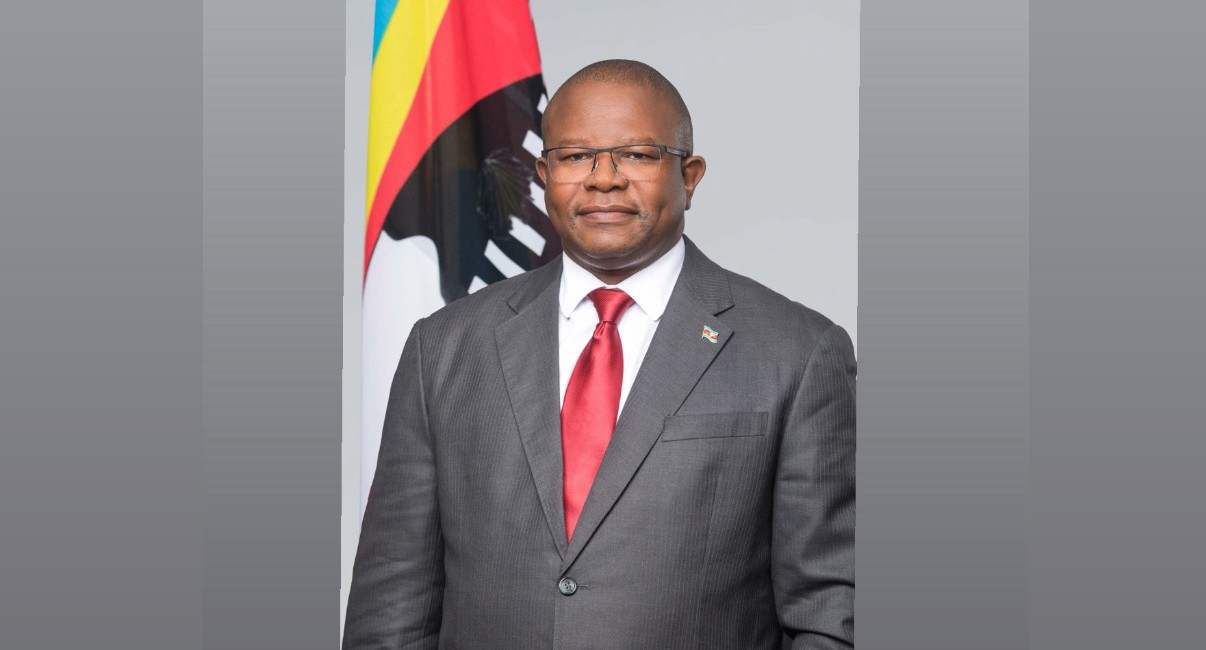
Honourable Minister Manqoba Khumalo
Minister of Commerce, Industry and Trade, Kingdom of Eswatini
Women’s economic empowerment is not a separate social initiative; it is essential economic infrastructure for stronger, more competitive, and more inclusive growth in Eswatini and across Southern Africa.
At a time when Southern Africa, including the Kingdom of Eswatini, is focused on accelerating growth, strengthening competitiveness, and building sustainable prosperity, unlocking the full economic potential of women represents one of the region’s greatest opportunities.
Women are already contributing across every part of our economies. They lead businesses and institutions, serve in government, drive innovation, manage enterprises, participate in trade, produce food, create jobs, and strengthen communities. They are entrepreneurs, professionals, investors, executives, and decision-makers.
The priority is not proving whether women contribute to economic development. The priority is creating the conditions that enable them to contribute at their full potential. Economies grow stronger when talent is fully utilised. When capable entrepreneurs, professionals and innovators face barriers to finance, markets, technology, skills or leadership opportunities, the cost is not only individual, it is economic.
Closing these gaps would unlock greater productivity, enterprise growth, employment creation, and innovation across Southern Africa. Women represent approximately half of the region’s population, yet many remain concentrated in lower-productivity areas of economic activity. Enabling more women to access capital, grow businesses, enter higher-value sectors, and participate in decision-making will strengthen the competitiveness and resilience of our economies.

This opportunity is particularly important as Africa advances implementation of the African Continental Free Trade Area. For women-led enterprises, the AfCFTA will matter most when it translates into practical support: simpler customs processes, wider recognition of standards and certification, access to regional buyers, trade information in usable formats and supplier-development programmes that help smaller firms meet procurement requirements. With these foundations in place, women-owned businesses in Eswatini and across Southern Africa can move from participating mainly in local markets to competing in regional value chains.
Achieving this requires practical action that addresses the specific barriers women-led enterprises face as they grow. This means improving access to finance, strengthening business and technical skills, expanding digital inclusion, reducing barriers to market entry, and helping women-led businesses move from survival to sustainable growth through stronger market linkages, standards readiness and supplier-development support.
For this regional opportunity to translate into tangible growth, countries must move from broad commitments to practical examples of implementation. Eswatini’s experience illustrates how inclusion can be embedded in industrial policy, enterprise support and market access, turning the principle of women’s empowerment into concrete economic action.
Eswatini’s experience: turning inclusion into economic action.
The Kingdom of Eswatini provides an example of how economic inclusion can be advanced through deliberate policy, institutional leadership and partnerships between government, business and development partners.
Our approach is based on a simple principle: inclusion must translate into economic opportunity. Through our Industrial Policy, we recognise that industrialisation and inclusion must progress together. As Eswatini expands manufacturing, agro-processing and value addition, women must have meaningful opportunities to participate in creating the industries and jobs of the future.
The Ingelo Certification Scheme is one example of how practical interventions can unlock opportunity. By helping enterprises meet recognised quality and compliance standards, improve market readiness and access formal supply chains, certification gives emerging businesses a stronger basis to compete for retail, procurement and export opportunities.
Businesses such as Scoops N Giggles, a Lubombo-based ice cream producer, demonstrate what becomes possible when emerging enterprises receive support to strengthen standards and improve market access.
The Shiselweni Women Processors, through the development of the Lilangabi chilli sauce brand, demonstrate the importance of moving beyond primary production into processing, branding and value addition. These examples reflect a broader economic lesson: transformation is not achieved only through large investments and major industries. It is also achieved by enabling entrepreneurs to build competitive businesses and participate in value chains.
Women leading across society and the economy.
Women’s contribution to economic development must be recognised beyond entrepreneurship. Women are leading governments, corporations, professional institutions, strategic industries, and civil society organisations. Eswatini’s governance traditions reflect the importance of complementary leadership and shared responsibility. The constitutional roles of His Majesty King Mswati III and Her Majesty the Indlovukazi, Queen Ntfombi Tfwala, demonstrate that national progress is strengthened when men and women contribute together. This commitment is also reflected in national leadership, including the role of Honourable Thulisile Dladla as Deputy Prime Minister of the Kingdom of Eswatini.
Across Southern Africa, women are increasingly shaping political and economic institutions. Namibia’s election of Her Excellency Dr Netumbo Nandi-Ndaitwah as the country’s first female President represents an important milestone for women’s leadership in the region. South Africa also demonstrates the growing role of women in corporate leadership. Executives such as Phuthi Mahanyele-Dabengwa, Chief Executive Officer of Naspers South Africa, reflect the ability of women to lead major platforms in technology, investment, and economic transformation.
Within my ministry and its agencies, women are also helping shape Eswatini’s economic agenda. They lead critical areas including competition policy, enterprise development, industrial development, and international trade.
Leaders such as Dumile Sibandze, Council Chairperson of the Eswatini Standards Authority (ESWASA); Siboniselizulu Simelane-Maseko, Chief Executive Officer of the Eswatini Competition Commission; Khethiwe Mhlanga, Chief Executive Officer of the Small Enterprises Development Company (SEDCO); Zamanyambose Mtetwa, Acting Managing Director, Eswatini National Industrial Development Corporation (ENIDC); Lungile Dlamini-Mahlalela, Director of the International Trade Department and Sakhile Nsibandze, President of the Youth Chamber of Commerce demonstrate the important role women play in economic governance. Women are also increasingly leading in strategic industries. The appointment of Jabulile (Jabu) Shabangu as Chief Executive Officer of Maloma Colliery demonstrates the importance of women’s participation in sectors that have traditionally been viewed as male dominated.
Together, these examples reinforce the article’s central argument: women’s economic empowerment is not peripheral to growth, but a core condition for stronger competitiveness, better decision-making, and wider value creation. When women lead institutions, enterprises, and strategic industries, they do more than represent progress; they expand the economic capacity of Eswatini and Southern Africa.
Removing barriers and building the future
Despite progress, many women-led businesses still face significant constraints, especially limited access to finance, productive assets, and markets. These barriers prevent promising enterprises from reaching their full potential.
Addressing these challenges will require deliberate partnership across finance, business, and government.
Financial institutions must continue developing products that respond to the realities of growing enterprises. The private sector must expand supplier development, procurement opportunities, and mentorship. Governments must strengthen policies that create an environment where women can participate fully in economic activity. This is not only a matter of fairness. It is a competitiveness imperative.
Economies and businesses that draw from the full pool of available talent are better positioned to innovate, adapt, and grow. Supporting women’s advancement strengthens markets, expands economic participation, and builds more resilient societies. For Southern Africa, the opportunity is collective and practical. Through SADC cooperation and the African Continental Free Trade Area, countries can align trade facilitation, standards certification, customs processes, supplier development, and cross-border market access for women-led enterprises. This would help processors in Shiselweni supply retailers beyond Eswatini, enable manufacturers in Manzini to reach regional buyers and allow women-owned businesses to move from domestic markets into neighbouring countries with fewer barriers. Done deliberately, this would strengthen regional value chains and contribute directly to sustainable growth.
A shared economic future
Women are already contributing to the growth story of Eswatini and Southern Africa. They are leading businesses, shaping institutions, advancing innovation, and creating employment.
The task before us is therefore clear: to create conditions that allow women to contribute at an even greater scale.
Women’s economic empowerment is not a separate agenda. It is a growth agenda, an industrialisation agenda, and a competitiveness agenda. The future of Southern Africa’s economies will be determined not only by the resources we possess, but by how effectively we mobilise the talent, creativity, and leadership of our people. By mobilising women’s talent, creativity, and leadership with purpose, we will grow stronger economies and build a more competitive, inclusive, and prosperous Southern Africa.