



By: Nkosiyabusa Nsibande
The Ministry of Economic Planning and Development has started strengthening the capacity of government planning and budgeting officers as ministries and departments prepare their financial and medium-term plans for the 2027/28 financial year.
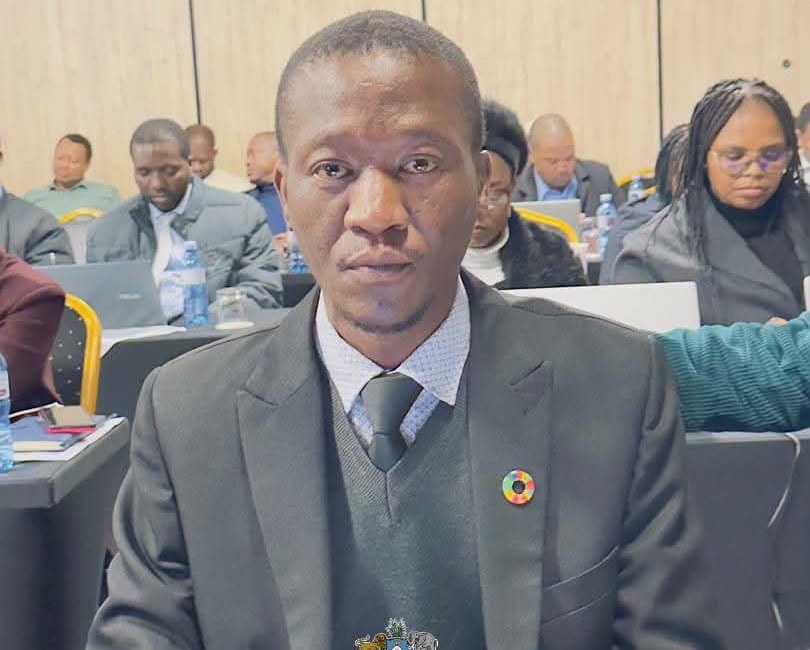
The refresher training, which is being conducted in groups, brings together officials responsible for planning and budget preparation across government. The second group commenced its sessions at Happy Valley Hotel following the completion of training for the first group earlier in the week.
The exercise is being conducted in line with the Planning Call Circular dated 3 August 2026 and is intended to establish a common understanding of the requirements that will guide the preparation of the FY2027/28–FY2029/30 plans and budgets.
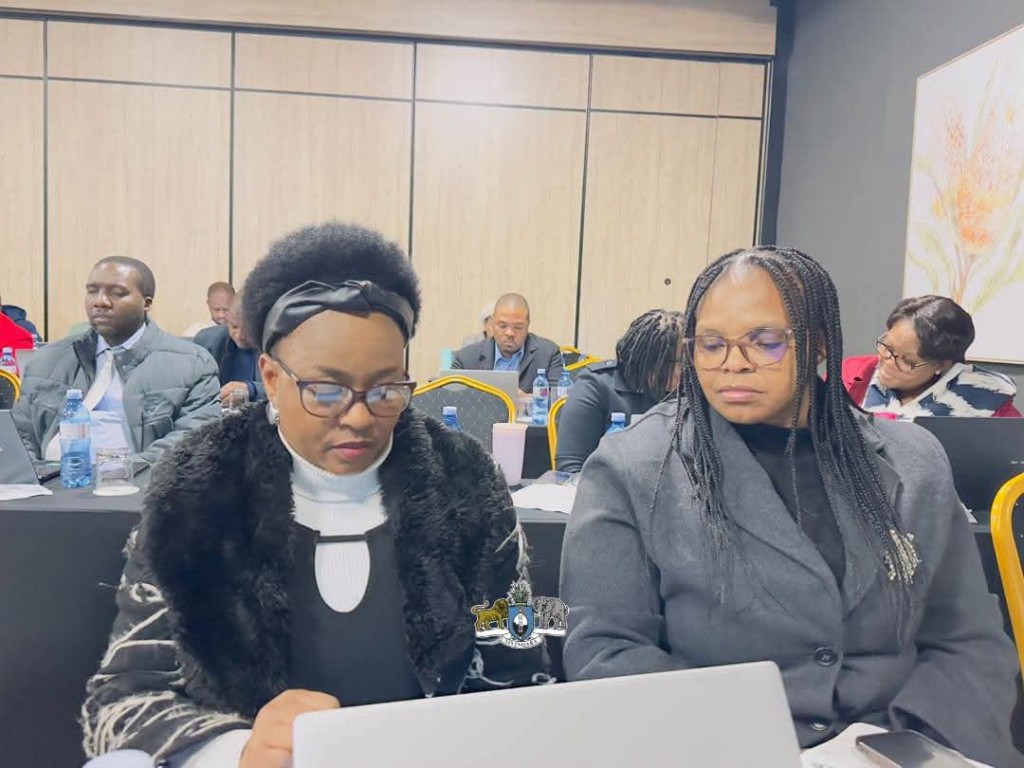
For public finance management, the exercise is important because government budgeting is ultimately a process of deciding how limited resources should be distributed among competing priorities. The quality of those decisions depends heavily on whether institutions are able to clearly identify their priorities, translate them into programmes and activities, determine the outputs expected and attach realistic costs to those interventions.
A major component of the refresher training is the integration of planning and budgeting under the Integrated Financial Management Information System (IFMIS). Government officers are being equipped with practical knowledge on how institutional plans, programmes, activities, outputs and budgets should be aligned within the broader government planning and financial management framework.
This integration is significant because it strengthens the relationship between what government intends to achieve and what it ultimately spends. Rather than treating planning as a policy exercise and budgeting as a separate financial process, the approach seeks to ensure that proposed expenditure is directly connected to defined activities and expected results.
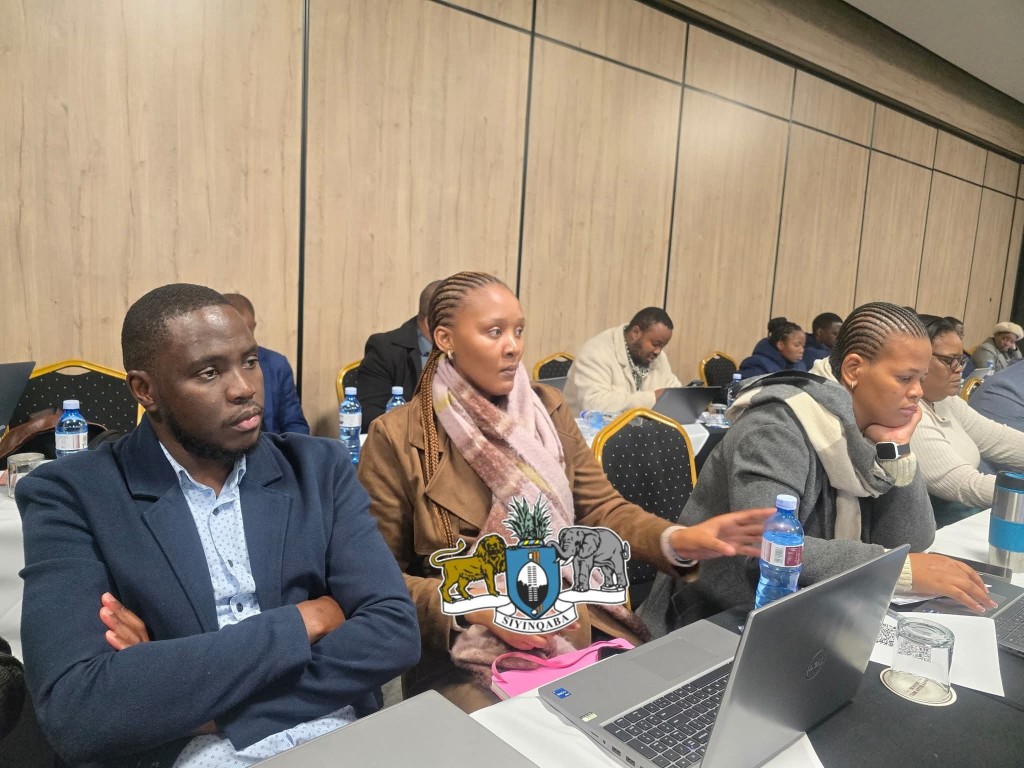
For taxpayers and businesses, the effectiveness of this relationship has wider economic implications. Government expenditure supports infrastructure, public services, social programmes and institutions that influence the country’s economic environment. Where planning and budgeting are poorly aligned, public resources can be allocated without sufficiently clear links to measurable outcomes. Stronger alignment provides an opportunity to improve the efficiency and accountability of public spending.
The training also comes as government continues to operate within a challenging fiscal environment, characterised by significant expenditure commitments and pressure on public finances. Under these conditions, the preparation of realistic and properly costed programmes becomes increasingly important. Ministries need to demonstrate not only what they intend to spend, but also what the expenditure is expected to deliver.
The medium-term nature of the planning process adds another layer of importance. Officials are not preparing plans for a single financial year only, but for a three-year period extending to FY2029/30. This requires institutions to consider the sustainability of their programmes, future funding requirements and how individual interventions contribute to broader national development priorities.
The second group participating in the training includes the Ministry of Labour and Social Security, Ministry of Public Service, Ministry of Information, Communication and Technology, Elections and Boundaries Commission, Ministry of Health, Ministry of Justice and Constitutional Affairs, Anti-Corruption Commission, Judiciary, Correctional Services, Ministry of Home Affairs, Eswatini National Treasury, King’s Office, Ministry of Public Works and Transport, Ministry of Sports, Culture and Youth Affairs and the Audit Department.

The participation of institutions across different areas of government highlights the importance of having a consistent approach to planning and budgeting. Government expenditure is distributed across numerous institutions and programmes, making standardised planning processes important for ensuring that budget proposals can be assessed against common requirements and national priorities.
The emphasis on outputs is particularly relevant from a financial management perspective. A budget should provide more than a record of how much an institution intends to spend. It should establish a connection between the resources committed and the goods, services or outcomes expected in return.
IFMIS can strengthen this connection by integrating financial information with planning and budgeting processes. However, the effectiveness of the system will depend on the quality of planning information provided by government institutions and the discipline with which officials apply the framework. Technology can improve visibility and controls, but sound financial management still requires realistic costing, clear priorities and accountability for results.

The Ministry’s capacity-building programme is therefore part of a broader effort to improve the quality and consistency of government planning. Its success will ultimately depend on whether the knowledge gained by planning officers translates into stronger budget submissions, more realistic programmes and better alignment between national priorities and available financial resources.
As government prepares the 2027/28 budget and medium-term plans, the central financial question will be whether public resources are being directed towards interventions that can demonstrate clear and measurable value. Strengthening the connection between planning, budgeting and results provides government with an important mechanism for answering that question and improving the effectiveness of public expenditure.