






By: Nkosiyabusa Nsibande
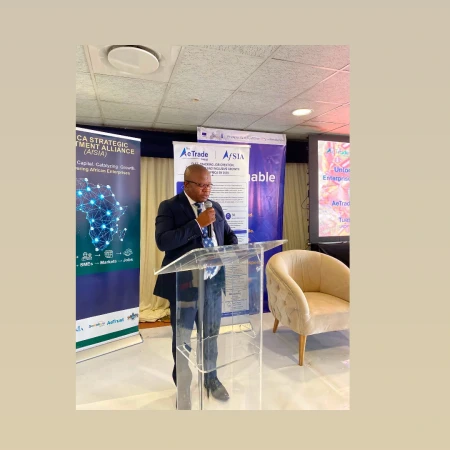
The transition from student leadership to economic participation is becoming increasingly important as Eswatini looks to expand its private sector, strengthen youth entrepreneurship and create employment opportunities outside traditional career paths. This was at the centre of the message delivered by Minister of Commerce, Industry and Trade Manqoba Khumalo at the Student Leadership Conference 2026, where he urged young leaders to begin thinking about their role in the economy long before they leave campus.
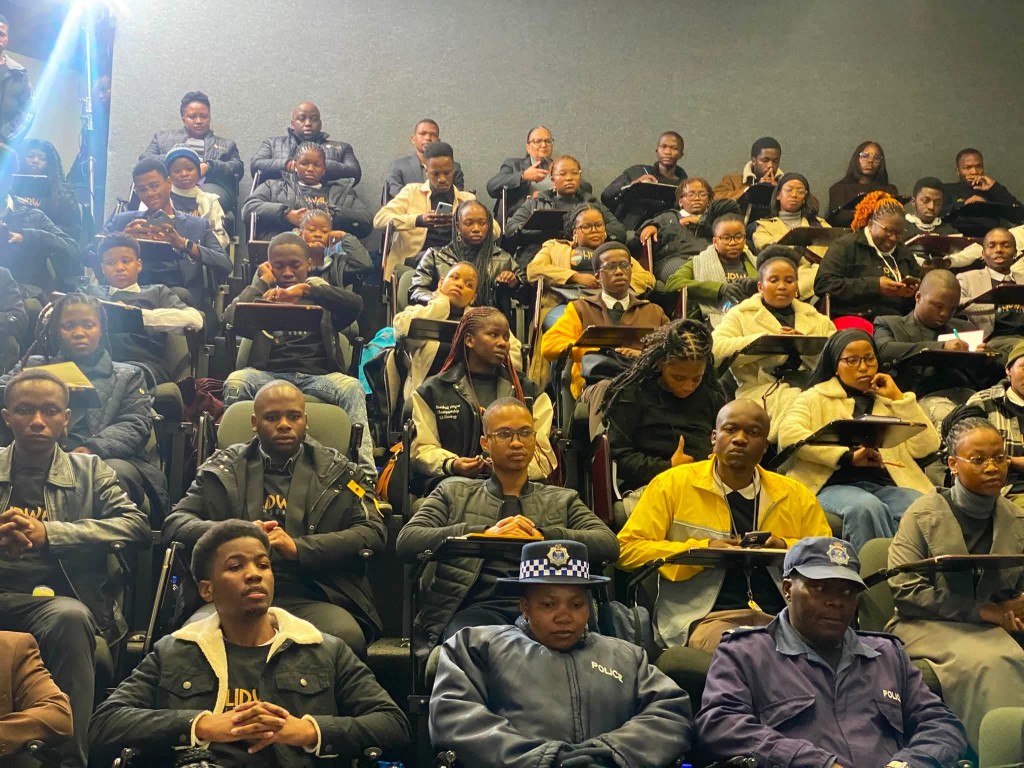
Held under the theme “Leadership Beyond Campus. Impact Beyond Limits,” the second edition of the conference brought together more than 80 student leaders representing eight tertiary institutions. Rather than presenting leadership as a title attached to a university position, Khumalo framed it as a practical discipline that should translate into problem-solving, enterprise creation, innovation and broader economic participation.
For a country seeking to increase the contribution of young people to economic growth, the message carries particular significance. The value of student leadership does not end with the completion of a degree or the expiration of a student representative mandate. The skills developed through organising people, identifying problems, managing limited resources and influencing decisions can become commercially relevant when applied to entrepreneurship and the workplace.
Khumalo drew on his own experience to illustrate this progression. His leadership journey began as a student when he founded the UNESWA Chemistry Society before moving into the corporate environment and eventually into government. His experience provided a practical example of how leadership opportunities encountered at university can become building blocks for professional and public-sector careers.
A central part of his address was the need for young people to develop the ability to identify gaps in the market and society and then turn those gaps into solutions. In financial and business terms, this is the foundation of entrepreneurship: recognising an unmet need, determining whether there is demand for a solution and developing a sustainable model around it.
The Minister challenged student leaders to look at opportunities where others see obstacles, break established patterns and question the status quo. Such an approach is particularly relevant to an economy where young people often enter a competitive labour market with limited formal employment opportunities. Entrepreneurship provides an alternative route through which young people can become producers, employers and innovators rather than remaining solely job seekers.
However, entrepreneurship also requires more than having a business idea. Sustainable enterprises require financial discipline, market knowledge, access to capital, sound governance and the ability to manage risk. The challenge for emerging entrepreneurs is therefore not only to identify opportunities but to build enterprises capable of surviving beyond the initial enthusiasm surrounding their establishment.

Khumalo also placed emphasis on leadership through service rather than position. This perspective has implications for both public and private institutions because effective leadership ultimately affects how resources are managed, how decisions are made and whether organisations create value for the people they serve.
He encouraged the young leaders to make excellence a leadership mantra, a principle that extends directly into business performance. In an increasingly competitive market, enterprises cannot depend indefinitely on protection from competition or on personal connections. They must develop products and services that can compete on quality, reliability, price, innovation and customer value.
The Minister’s call for young people to think beyond conventional careers also reflects the growing importance of entrepreneurship within Eswatini’s economic development agenda. While formal employment remains an important source of household income and economic stability, the expansion of youth-owned micro, small and medium enterprises (MSMEs) can broaden the country’s productive base and create additional employment.
Supporting youth-owned MSMEs is therefore not simply a youth-development issue. It is an economic policy consideration. When viable young businesses receive appropriate support, they can generate turnover, create employment, purchase goods and services from other local businesses and contribute to the tax base. Their growth can also introduce new products, technologies and business models into the domestic market.
Khumalo connected this entrepreneurial agenda with the broader objective of creating jobs, driving innovation and positioning Eswatini as a leading African investment destination. For investors, the strength of an economy is influenced not only by infrastructure and policy but also by the quality of its entrepreneurial ecosystem, the availability of skilled people and the capacity of local businesses to participate in value chains.
This makes the development of student leadership commercially relevant. Today’s student leaders are potential business owners, executives, professionals, policymakers and investors. The networks they establish and the leadership capabilities they develop while at tertiary institutions can influence the quality of the country’s future business environment.
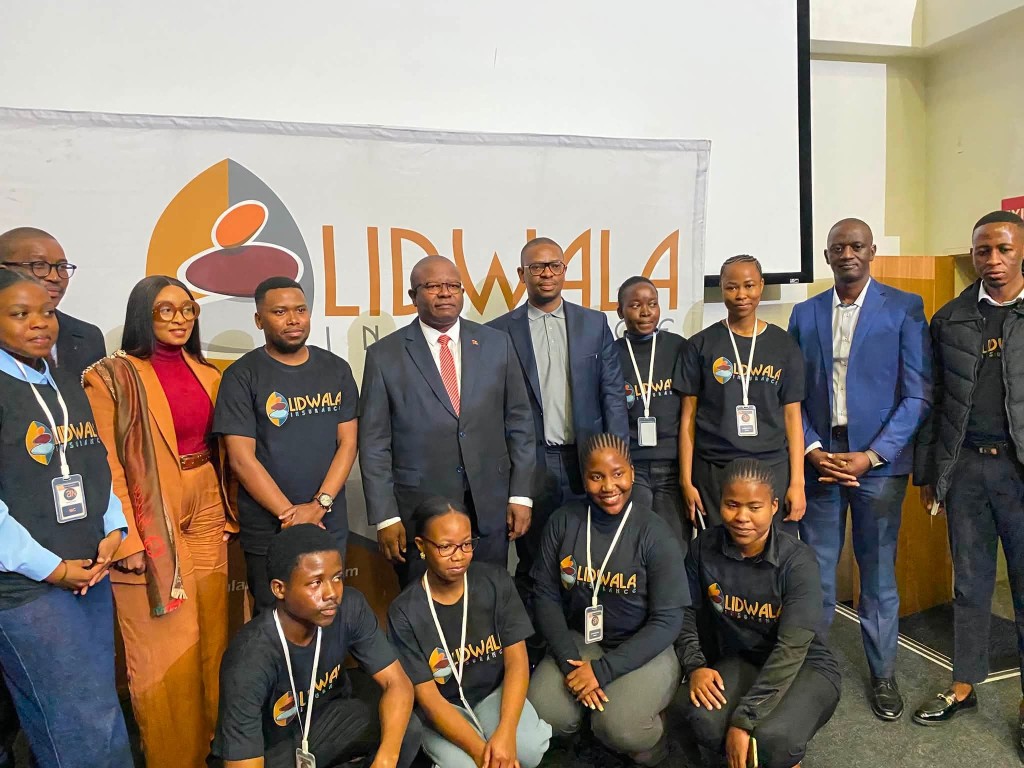
The official commissioning of the Student Leaders Network at the conference adds another dimension to this agenda. The network is intended to bring student leaders together to strengthen leadership capacity, engage with global thought leadership, influence policymaking and contribute to Eswatini’s socioeconomic development.
If effectively developed, such a network could become more than a platform for student engagement. It could serve as a bridge between tertiary institutions, government, business and young entrepreneurs, creating opportunities for students to gain exposure to markets, investment, mentorship, policy discussions and enterprise development.
For the private sector, stronger links with student leadership platforms can also create an avenue for identifying emerging talent. Businesses require graduates who can do more than possess academic qualifications; they need people who understand customers, identify opportunities, solve operational problems and make commercially responsible decisions.
The economic value of leadership therefore becomes visible in what individuals are able to build after acquiring positions of influence. A student leader who learns to manage a budget, negotiate with stakeholders, organise a team and deliver a project is developing capabilities that can later be applied to running a company, managing a department or developing a community enterprise.

Khumalo’s own leadership philosophy was captured in his emphasis on leaving situations better than he found them. The principle provides a useful measure of leadership because it shifts attention away from personal recognition towards measurable outcomes. In a business environment, that can translate into improving productivity, strengthening financial performance, creating employment, expanding markets or developing people.
The Minister concluded by reinforcing the importance of young people’s participation in national development, telling the student leaders: “We value your voice. You matter to this country.”
The statement carries significance beyond encouragement. For young people to matter economically, however, their participation must increasingly be reflected in enterprise ownership, employment creation, innovation, investment and policy engagement. The challenge for the newly commissioned Student Leaders Network and the institutions represented at the conference will be to convert leadership discussions into practical economic outcomes.
For Eswatini, the real measure of the conference will therefore not be the number of student leaders who attended, but what those leaders go on to build. If campus leadership can become a pipeline into entrepreneurship, responsible management and productive economic participation, the impact of student leadership could extend well beyond campus and into the country’s balance sheets, businesses and labour market.

Other Articles

Ministry Of ICT Spends E69.3m With E1.43m Revenue Gain