



By: Nkosiyabusa Nsibande
Her Royal Highness Inkhosikati Make LaMatsebula has challenged Southern Africa to rethink the economic position of women, arguing that women should not be treated as beneficiaries of economic development when they are already among the people producing, trading, employing, and sustaining households across the region.
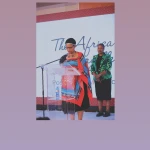
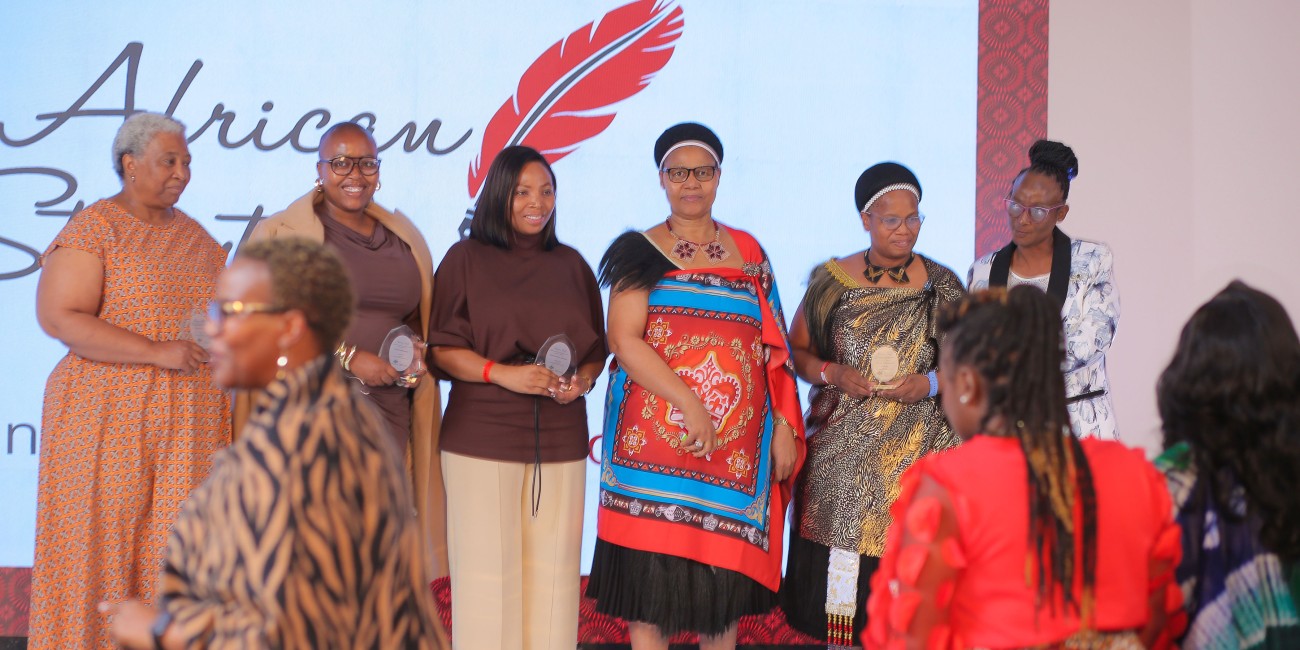
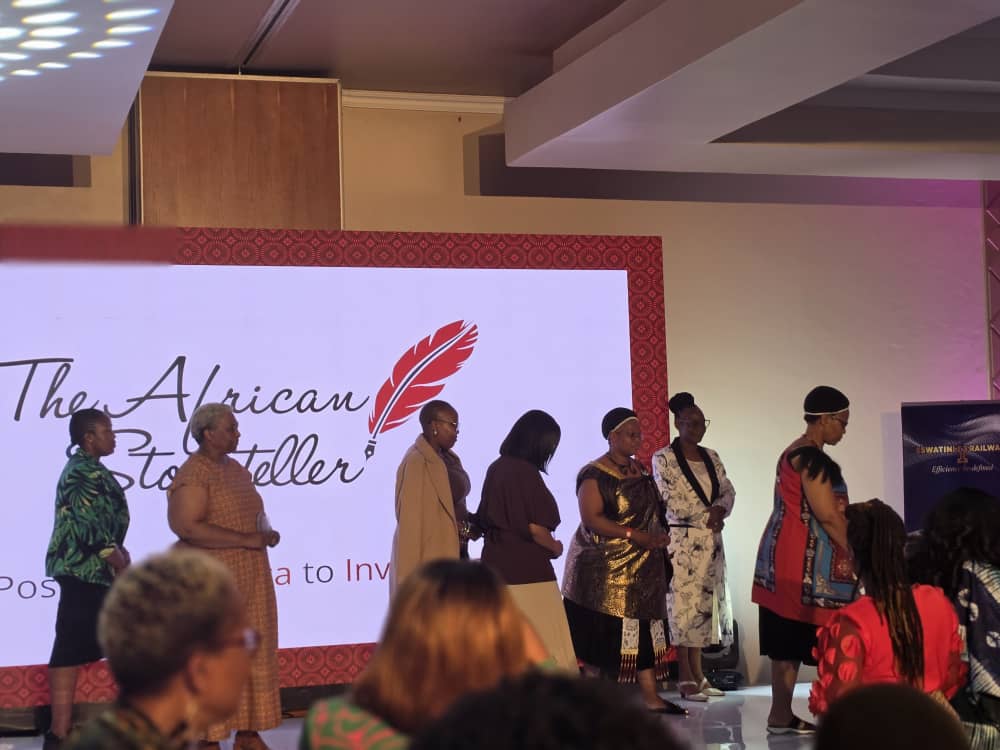
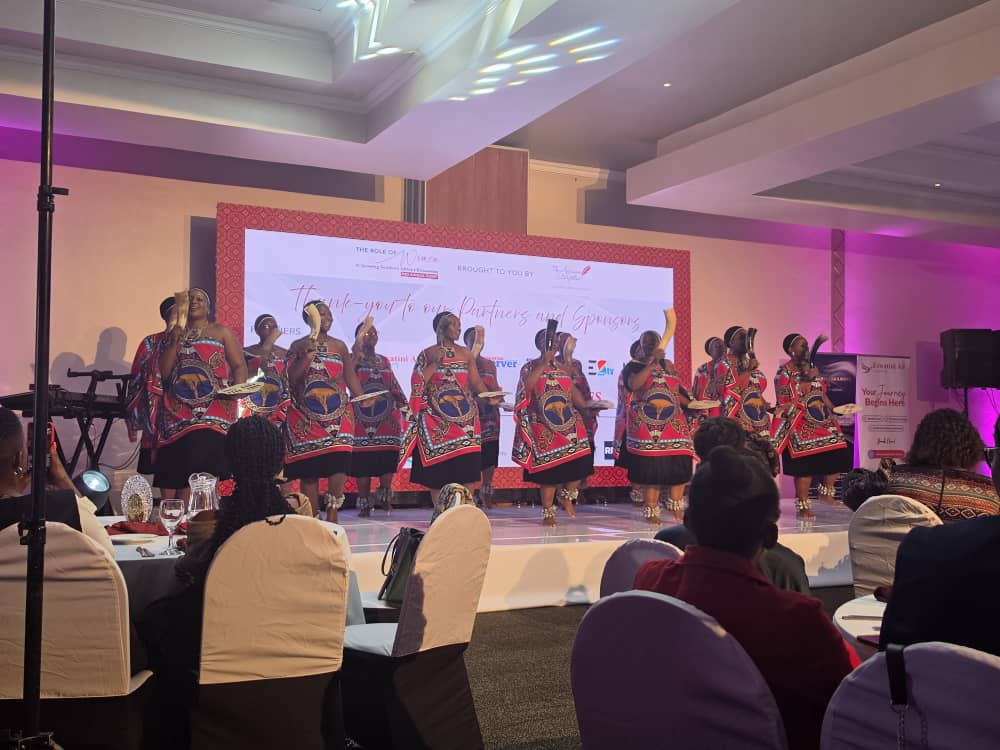
Speaking at The African Storyteller’s Second Annual Women’s Month Thought Leadership Event at Royal Villas in Ezulwini on 8 August 2026, LaMatsebula placed women’s economic power at the center of the discussion, telling delegates that “women are not beneficiaries of economic growth; women are drivers of economic growth.” Her argument presents women’s empowerment as an economic strategy, rather than simply a social objective.
The distinction is important for policymakers and the financial sector. When women are viewed primarily as recipients of assistance, economic interventions can focus on short-term support. When women are recognized as economic drivers, the focus shifts towards capital, ownership, market access, skills, technology, and opportunities that allow women to build sustainable enterprises and create employment.
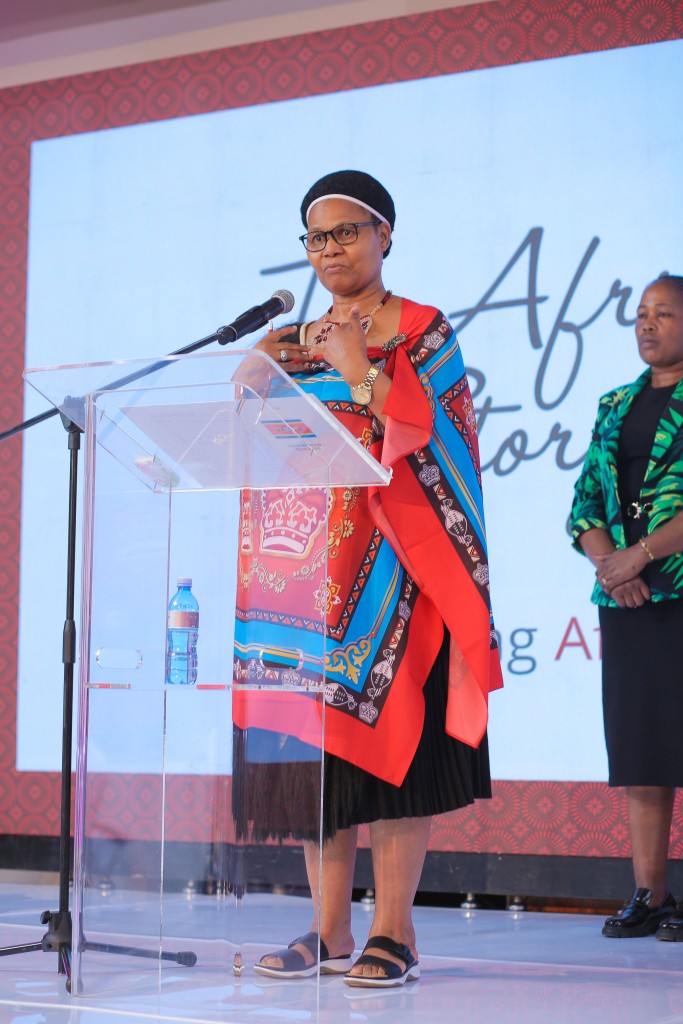
Inkhosikati argued that “supporting women is therefore not an act of charity; it is an investment in stronger families, stronger communities, stronger economies, and a stronger Southern Africa.” The statement captures the financial logic behind women’s economic empowerment: capital directed towards productive women-owned enterprises has the potential to circulate through households, suppliers, employees, and communities.
Women are already active across almost every part of the economy. Her Royal Highness pointed to women as farmers, producers, entrepreneurs, traders, professionals, innovators, employees, employers, investors, and educators, stressing that their contribution is visible “in the market store, the food, the office, the factory, the classroom, the boardroom, and at home.”
The challenge, therefore, is not convincing women to participate in the economy. They are already doing so. The challenge is whether economic systems are giving them the resources and opportunities required to move from participation to ownership and from small-scale activity to sustainable growth.
One of the most significant barriers identified by Inkhosikati was access to finance. Across the region, women entrepreneurs frequently operate businesses with limited working capital and struggle to access affordable credit or investment. Without sufficient capital, an enterprise may have demand for its products but remain unable to purchase equipment, increase production, hire employees, or enter new markets.
Inkhosikati LaMatsebula captured this economic loss by asking what happens “when a woman-owned enterprise cannot obtain the capital required to expand.” The loss, she argued, extends beyond the individual entrepreneur because “we lose potential jobs, innovation, investments, tax revenue, and economic activity.”
That perspective is important for financial institutions because it reframes lending to women-owned businesses from a social responsibility exercise into a potential commercial opportunity. A business that receives appropriate financing and uses it productively can expand its turnover, employ more people, develop supply relationships, and contribute to the tax base.
The same principle applies outside urban business centers. Her Royal Highness highlighted the rural woman who may be producing food but lacks access to markets and productive resources. “When a rural woman cannot access markets or productive resources, we lose the economic value of what she could have produced,” she said.
This is a reminder that the number of people with access to financial services can not measure simply economic inclusion. A woman may have a bank account but still lack the land, equipment, electricity, transport, technology, or market access required to turn economic activity into a viable business.
The financing conversation must therefore move beyond credit alone. Women entrepreneurs need appropriate financial products that correspond with the realities of their businesses, while development programs should address the wider constraints that prevent enterprises from becoming investment-ready.
Inkhosikati also connected women’s economic empowerment to poverty reduction, cautioning against unrealistic expectations about completely eliminating poverty. “We can never eradicate poverty, but we can reduce poverty,” she told the gathering, arguing that reducing the gap between those with economic resources and those without requires deliberate empowerment.
Her argument places women at the center of that effort because women’s incomes often support multiple members of a household. When a woman grows a business or increases her productive income, the benefits can extend to children’s education, household nutrition, healthcare, and other forms of human-capital development. The economic multiplier effect can, therefore, be significant.
For this reason, Inkhosikati LaMatsebula challenged stakeholders to ask practical questions about whether women can actually access the resources needed to grow. “Can a woman access affordable finance? Obtain land or productive assets? Energy supply chain? Access to technology and digital markets? Complete procurement opportunities? Acquire skills required for new industries? And can she sit at the table where economic decisions are made?” she asked.
These questions point to the structural nature of the challenge. Access to capital without access to markets can leave a business unable to generate sufficient revenue. Access to markets without productive assets can limit supply. Skills without finance may leave an entrepreneur unable to commercialize an idea. Representation without ownership may give women visibility without giving them economic power.
The objective should, therefore, be to create a complete pathway from enterprise creation to enterprise growth. Her Royal Highness called for an environment where women can move “from survival to growth, from income activity to sustainable enterprise, from participation to ownership, and from being present in the room to having a meaningful voice in the decisions that shape the room.”
The ultimate measure of empowerment should not simply be how many women are participating in economic activity, but how many are accumulating productive assets, building businesses, creating employment, and gaining control over capital.
Her argument also carries implications for procurement. Governments and large corporations represent significant markets, but small businesses can struggle to access procurement opportunities because of scale, compliance requirements, and limited information. Opening procurement channels to capable women-owned enterprises could allow businesses to move from informal or small-scale trading into more predictable revenue streams.
Technology presents another opportunity. Digital marketplaces, mobile financial services, and online business platforms might help women overcome some geographical barriers and access customers beyond their immediate communities. However, digital participation still depends on affordable connectivity, digital skills, access to appropriate devices, and financial services.
The private sector and financial institutions consequently have a role beyond conventional lending. Banks can provide business development support, investment-readiness programs, and financial education, while larger companies can integrate women-owned enterprises into their supply chains. Development partners can help address market and skills constraints, while the government can create policies and infrastructure that reduce the cost of doing business.
Inkhosikati also placed responsibility on women themselves, urging them to “build networks, share knowledge, and create pathways.” This is significant because individual effort alone does not build economic power. Business networks can provide access to information, customers, suppliers, mentors, investors, and partnerships that individual entrepreneurs may struggle to secure independently.
She also warned businesswomen against leaving their children disconnected from their economic activities. Her concern was that parents can build businesses without preparing the next generation to understand how those businesses work, leaving children familiar with the benefits of a business but unfamiliar with the discipline required to sustain it.
The lesson is one of intergenerational wealth and enterprise continuity. A family business cannot easily survive from one generation to another if children only see the income it produces and never learn the work, financial management, and customer relationships that sustain it.
Her Royal Highness explained children can learn this through simple exposure to work, saying that when a child understands
I need to work before I get my money.” They begin to develop an appreciation of the relationship between labor, income, and responsibility.
That principle has broader financial implications. Building wealth is not only about earning income; it is about developing the capacity to preserve, invest, and transfer economic value. Businesses that successfully transition between generations can become important sources of employment and long-term household wealth.
Ultimately, Inkhosikati’s message was that Southern Africa cannot afford to under-invest in women while expecting economies to grow at their full potential. The region already benefits from women’s labor, entrepreneurship, and leadership; the economic opportunity lies in removing the barriers that prevent those contributions from reaching their full value.
The question now is whether institutions will respond by creating measurable opportunities for women to access capital, own productive assets, enter markets, adopt technology, and participate in economic decision-making.
As Inkhosikati argued, “This is why women’s economic empowerment must be understood as an economic strategy. It is not a side issue; it is central to inclusive and sustainable development.”
For Southern Africa, the financial case is clear. When women move from survival businesses to sustainable enterprises, when farmers gain access to markets, when entrepreneurs obtain capital to expand, and when women gain ownership of productive assets, economic activity grows with them.
Women are already driving the economy. The next challenge is to ensure that the financial system, markets, and institutions give them enough room to drive it further.

Other Articles