



By: Nkosiyabusa Nsibande
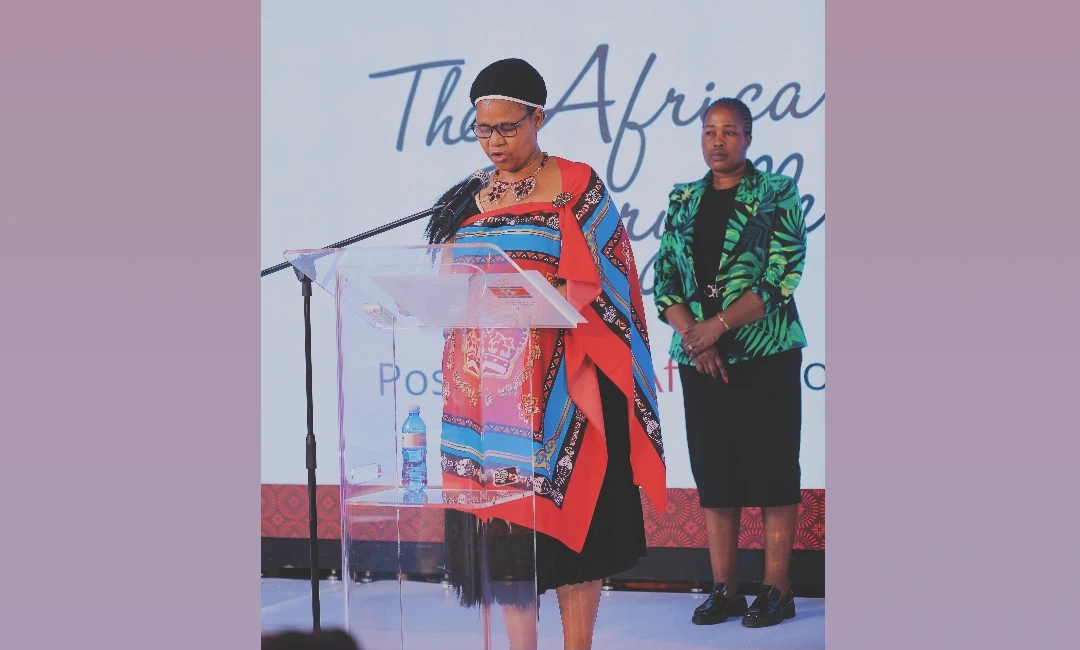
Her Royal Highness Inkhosikati Make LaMatsebula has called for a deliberate shift in how children are prepared for their economic future, arguing that entrepreneurship, financial responsibility, and productive skills should be introduced long before young people enter the formal labor market.
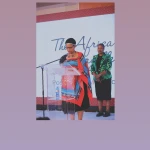
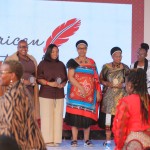
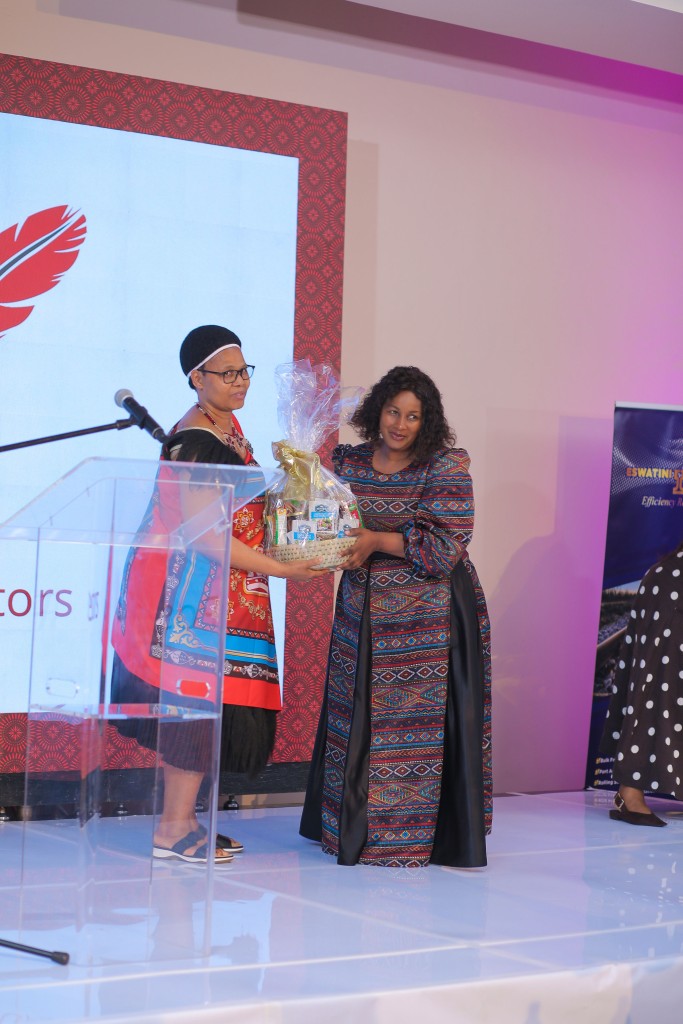
Speaking at The African Storyteller’s Second Annual Women’s Month Thought Leadership Event, held at Royal Villas in Ezulwini on 8 August 2026, Inkhosikati LaMatsebula connected the upbringing of children to the future strength of Southern Africa’s economies. The event, themed “The Role of Women in Growing Southern Africa’s Economies,” brought together stakeholders to examine how women can contribute to economic growth, leadership, and investment across the region.
Inkhosikati argued that parents should look beyond conventional definitions of education and prepare children to understand the economic world around them. “Let the child know that the chicken does not come from the fridge,” she said, using agriculture as a practical example of how children can be taught to understand production, work, and economic value from an early age.
The statement goes beyond teaching children where food comes from. It introduces the idea that every product consumed represents an economic chain involving production, labor, capital, transportation, marketing, and trade. A child who understands that process can begin to recognize opportunities within that chain, rather than viewing consumption as the end of the economic process.
Her Royal Highness further encouraged parents to teach children “how to raise and farm the chicken and other things,” highlighting agriculture as one of the practical areas through which young people can develop productive skills. Her argument places farming within a broader entrepreneurship conversation, where agriculture is not simply about subsistence but can become a commercial activity involving production, processing, distribution, and investment.
For Southern Africa, this approach has significant economic relevance. The region continues to face pressure to create employment for a growing young population while expanding private-sector activity. Preparing young people to understand enterprise and production can help broaden their economic options beyond formal employment.
Inkhosikati’s argument was also rooted in the responsibility of families to shape the economic behavior of future generations. She stressed that “we are investing in the generations that are to come,” a message that positions education and child development as a long-term economic investment rather than an immediate household responsibility.
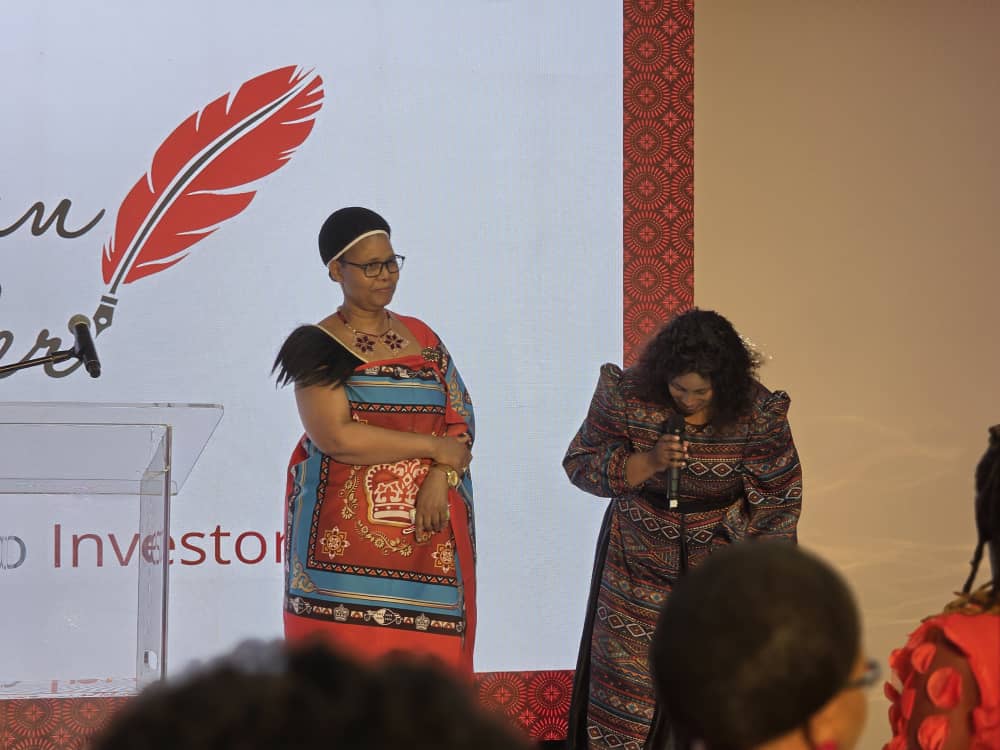
That investment includes teaching children how to use resources responsibly. During her remarks, she challenged society to reconsider waste and encouraged people to pass on clothing and other usable items rather than discarding them. Her broader message was that children should grow up understanding the value of resources, sharing, and responsible consumption.
Financial education is often associated with saving money or opening a bank account, but genuine financial capability also involves understanding value, managing resources, distinguishing between needs and wants, and making decisions that preserve or increase wealth.
The same principles become important when children are introduced to entrepreneurship. A young person who understands the difference between revenue and profit, knows that production has costs, and appreciates the importance of saving and reinvesting is better positioned to manage an enterprise later in life.
Inkhosikati also challenged the culture of raising children to depend entirely on formal employment. Her remarks pointed towards a generation that should be capable of creating opportunities for itself and others. “Do not wait for permission to become the woman you can become,” she said in addressing women, but the principle also speaks to the broader economic mindset required among young people.
Entrepreneurship, however, cannot be sustained through encouragement alone. Young people require access to skills, markets, finance, technology, and mentorship. This places responsibility on government, schools, businesses, and financial institutions to create pathways through which entrepreneurial knowledge can be converted into viable economic activity.

Women have a particularly important role in this process because they remain central to household decision-making and child development. When women are financially literate and economically active, they can transfer practical financial knowledge to children and influence how the next generation understands work, saving, investment, and enterprise. This creates a direct connection between women’s economic empowerment and intergenerational financial capability.
A woman who operates a business, manages household finances, or invests in productive assets is not only contributing to the current economy. She can also become an economic educator within her household, giving children practical exposure to the principles that underpin wealth creation.
Inkhosikati’s intervention therefore expands the meaning of women’s economic empowerment. It is not simply about placing more women in boardrooms or increasing the number of women-owned businesses. It is also about recognizing women as important economic educators whose influence can shape the capabilities of future generations.
The message is relevant to the event’s broader objective of positioning Africa to investors. Investors ultimately require economies with productive workers, capable entrepreneurs, stable institutions, and consumers who understand financial decisions. Building those capabilities begins long before a business seeks investment.
The financial sector can also play a stronger role in this process by introducing financial education to younger ages. Banks, insurers, investment firms, and development-finance institutions can work with schools and communities to teach children about saving, investment, responsible borrowing, insurance, entrepreneurship, and financial risk. Such programs should move beyond theoretical lessons and give young people practical exposure to how businesses operate.
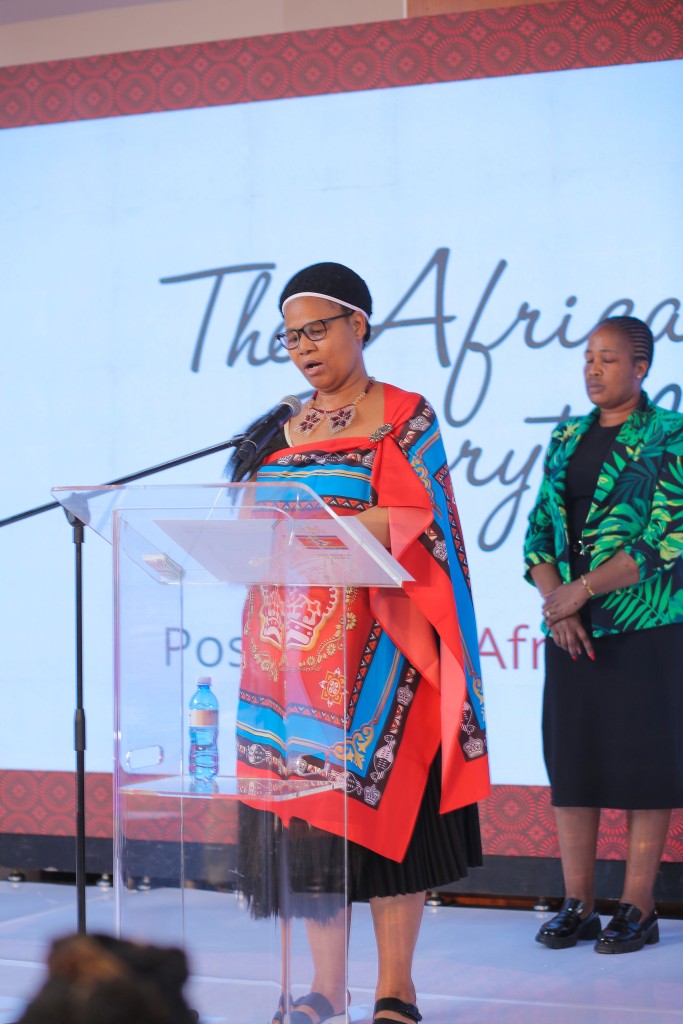
Her Royal Highness’s call, therefore, represents a longer-term economical proposition: if Southern Africa wants more entrepreneurs, investors, and business leaders in the future, it must begin developing them in the present.
“The woman raising a child today may raise tomorrow’s entrepreneur, farmer, teacher, parliamentarian, and national leader,” her remarks suggested, reinforcing the importance of treating child development as an investment in the region’s future economic capacity.
The responsibility is consequently shared. Parents provide the foundation, schools develop skills, businesses provide exposure, financial institutions provide financial knowledge and access, and the government creates the policy environment in which young people can turn ideas into productive enterprises.
The economic future of Southern Africa will not be determined only by today’s investments in infrastructure and businesses. It will also be determined by what today’s generation teaches its children about money, work, production, and opportunity.
Her Royal Highness’s message was therefore ultimately about preparing a generation that understands that economic participation means more than consuming what others produce. It means developing the capacity to produce, create, invest, and build.