




By: Nkosiyabusa Nsibande
Her Royal Highness Inkhosikati Make LaMatsebula has warned that gender-based violence is not only a social problem but also a threat to women’s economic participation, arguing that women cannot be expected to build businesses, lead institutions, and strengthen households while violence continues to undermine their security and independence.
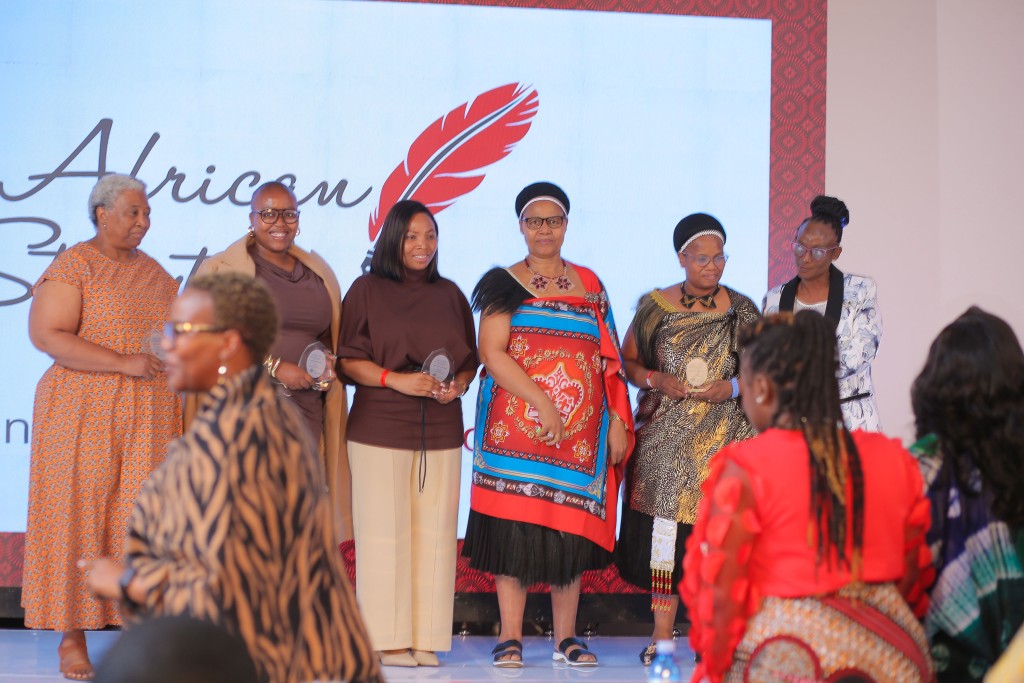
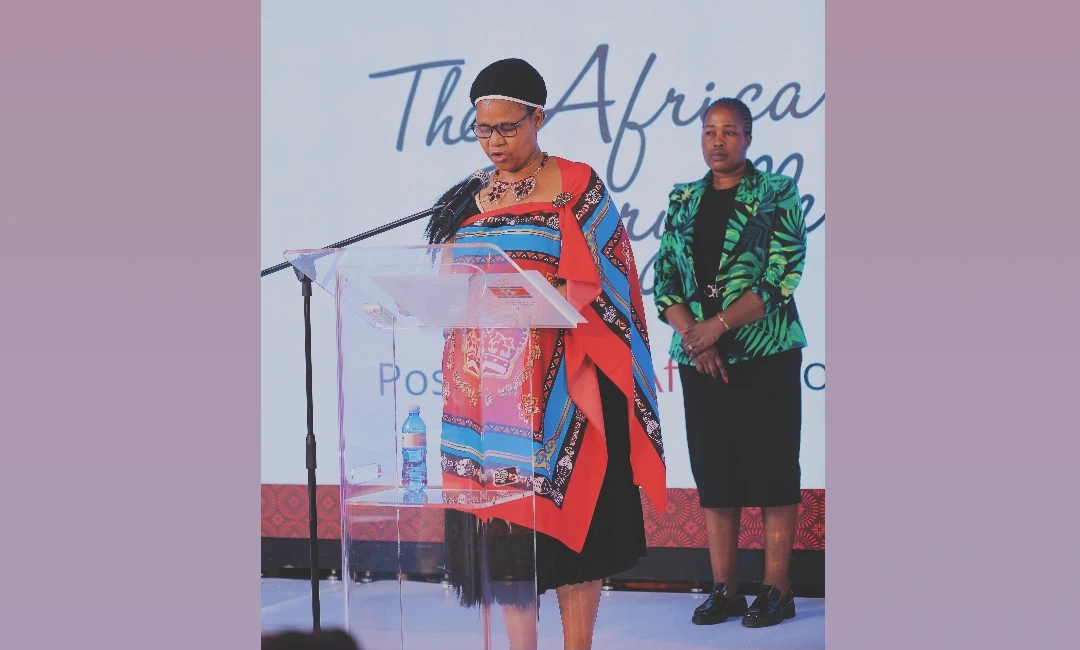
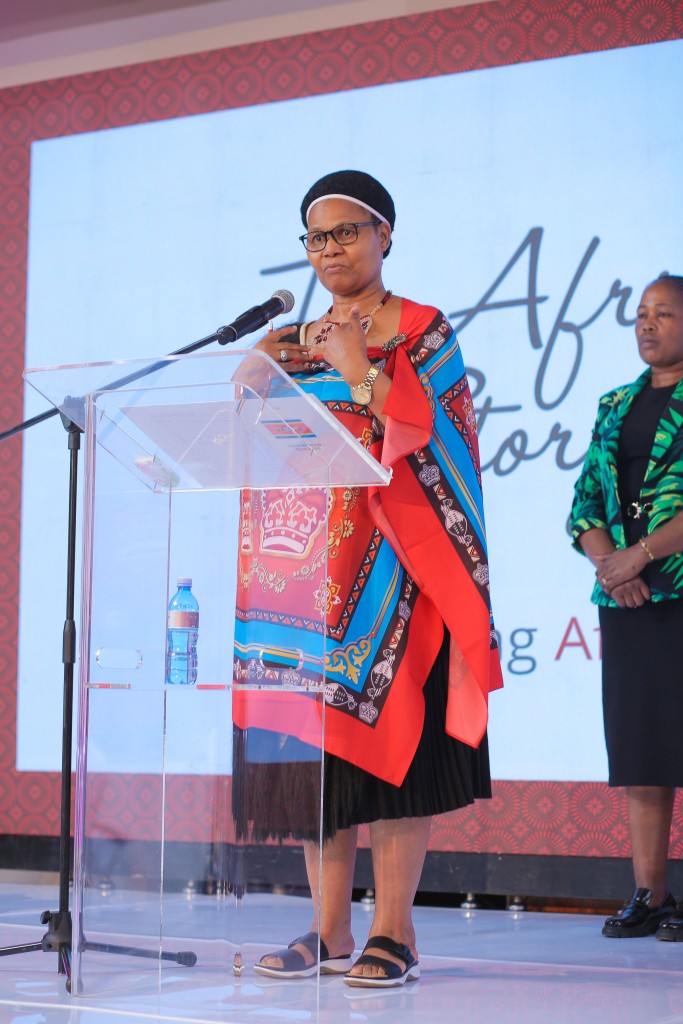
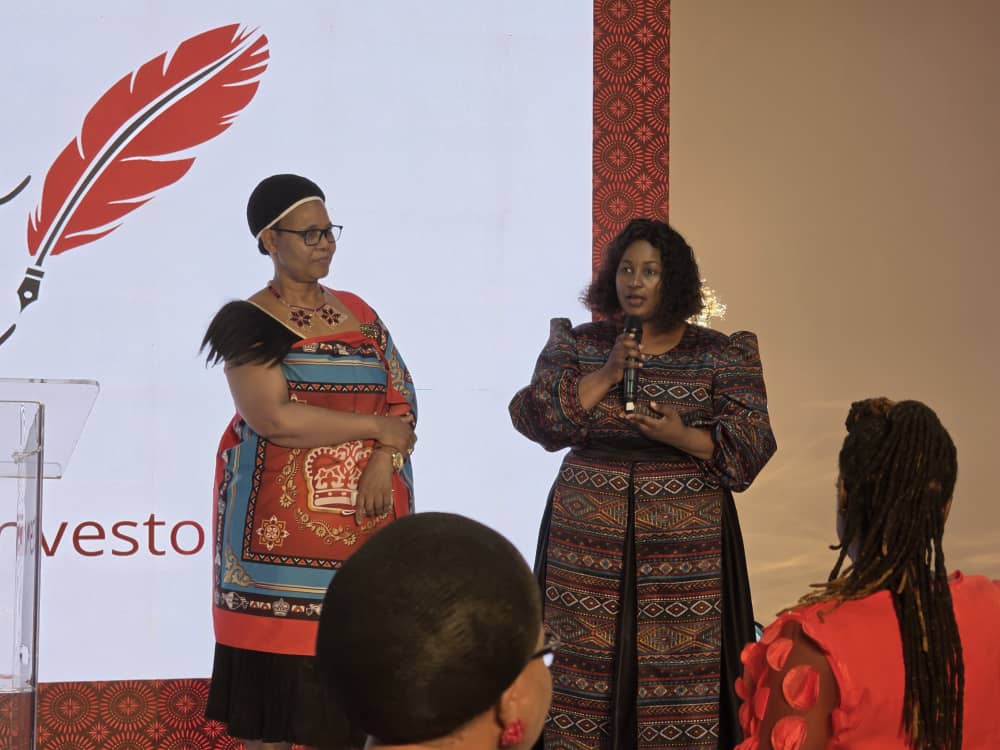
Speaking at The African Storyteller’s Second Annual Women’s Month Thought Leadership Event at Royal Villas in Ezulwini on 8 August 2026, LaMatsebula called for society to remember women and families affected by GBV, making the issue part of a wider discussion about women’s leadership and economic empowerment under the theme “The Role of Women in Growing Southern Africa’s Economies.”
At the conclusion of her remarks, Inkhosikati made a direct appeal for society to pray for “the women and families that are affected by GBV, gender-based violence,” describing the issue as deeply painful. Her appeal reflected the human cost of violence, but the economic consequences of that violence are equally important in a region seeking to increase women’s participation in productive activity.
A woman experiencing violence may face disruption to employment, loss of income, medical costs, damage to property, and instability within her household. Where abuse involves financial control, the consequences can be even more severe because the victim may be prevented from controlling earnings, accessing money, or making independent financial decisions.
This makes GBV relevant to the financial inclusion agenda. Southern African economies are increasingly focused on expanding women’s access to capital, entrepreneurship, and ownership. Yet access to financial services alone cannot deliver meaningful economic empowerment if women are unable to exercise control over their income and assets.
Inkhosikati’s broader message was that women’s advancement should not be presented as a contest between women and men. “The advancements of women must not be presented as a contest between men and women,” she said, stressing that “it is a partnership for the well-being of society.”
From a business perspective, that partnership has practical implications. Men remain important stakeholders in creating workplaces, households, and communities where women can participate safely and equally. Challenging discriminatory practices, supporting women’s enterprises, and ensuring that women’s voices are represented in decision-making are therefore not solely women’s responsibilities.
Inkhosikati LaMatsebula argued that men can “open doors, challenge discriminatory practices, mentor women, support women’s enterprises, and ensure that women’s voices are heard where decisions are made.” Such participation is important because economic empowerment requires women to have access not only to opportunities but also to the networks and decision-making structures through which opportunities are distributed.
Her message also extended to women themselves. She urged women to support and mentor one another, arguing that “we must recommend the capable women for an opportunity” and that fighting and looking down on each other should end.
This is particularly relevant in entrepreneurship, where networks, referrals, and access to information can determine whether a business owner reaches new customers, suppliers, investors, or markets. Women supporting other women can therefore have tangible economic value.
The issue of GBV, however, remains one of the major obstacles to creating such an environment. Violence can affect a woman’s ability to remain in employment, operate a business, or accumulate assets. An entrepreneur dealing with violence may struggle to maintain operations, attend meetings, access markets, or make long-term investment decisions. The resulting disruption can affect not only the individual but also employees, customers, and suppliers connected to the business.
This means that protecting women from violence also protects economic activity. Inkhosikati’s call for greater responsibility across society is therefore relevant to employers, financial institutions, and policymakers. Businesses have a responsibility to maintain safe working environments, establish mechanisms for reporting abuse, and ensure that employees are treated with dignity.
Financial institutions also have a role to play in ensuring that financial inclusion is accompanied by financial independence. Providing women with bank accounts, loans, or savings products is important, but the broader objective should be to strengthen their ability to control and use financial resources productively.
Financial education can support this process by helping women understand budgeting, saving, credit, investment, insurance, and asset protection. These capabilities can become important for women who are attempting to establish or expand businesses.

Her Royal Highness also warned against treating women’s empowerment as a conference slogan. She argued that progress should be measured by tangible economic outcomes, including “how many women own businesses, how many women access capital, how many women enter new markets, how many hold leadership positions, create jobs, and participate in decisions that shape our economies.”
That approach provides a useful framework for evaluating the impact of women’s economic programs across Southern Africa. The number of women attending conferences is an important indicator of participation, but it does not necessarily demonstrate economic empowerment. More meaningful indicators include business ownership, access to finance, employment creation, asset ownership, market access, and representation in economic decision-making.
The safety of women should be considered alongside these indicators. A woman cannot effectively build wealth if she lives under constant threat of violence. She cannot expand a business if her income is controlled through abuse. She cannot participate fully in economic decision-making if her freedom is restricted within her household or workplace. This is why GBV belongs within conversations about economic growth.
The African Storyteller event sought to position Africa to investors while creating space for conversations around women’s leadership, innovation, and economic empowerment. Inkhosikati’s contribution highlighted a fundamental condition for achieving those objectives: economic opportunity must be accompanied by an environment in which people, particularly women, can participate safely and with dignity.
The responsibility extends across society. Governments must strengthen prevention and protection mechanisms, businesses must create safe workplaces, communities must challenge harmful attitudes, financial institutions must support genuine financial independence, and men must become active participants in preventing violence.
Women, meanwhile, must continue supporting one another and using the opportunities available to them to build businesses, create employment, and enter leadership positions. Inkhosikati’s message was ultimately that women should not have to choose between safety and economic participation.
Southern Africa needs women to be economically active, financially independent, and represented in the institutions that shape the region’s future. Achieving that requires more than access to capital or leadership programs. It requires confronting the social conditions that can prevent women from benefiting from those opportunities.
As Her Royal Highness put it in her closing message, “When women rise together, nations move forward.” For Southern Africa, ensuring that women can rise safely and sustainably is therefore not only a matter of social justice. It is an economic imperative.