



By: Nkosiyabiusa Nsibande
For most investors, economic competitiveness begins with infrastructure, access to finance and a
productive workforce. Yet behind each of these pillars lies another investment that often receives
less attention: the continuous development of teachers. As governments increasingly recognise
human capital as a driver of long-term economic growth, Eswatini’s latest partnership with the
European Union signals that professional development within the education sector is now being
viewed as an economic investment rather than merely an administrative exercise.
The Ministry of Education and Training has secured technical assistance through the European
Union Regional Teachers Initiative for Africa, a programme running until 2030 that supports
education ministries across the continent to strengthen teacher development and improve the
quality of education systems. The initiative forms part of a broader continental effort to build
stronger public institutions capable of producing the skilled workforce African economies will
require over the coming decades.
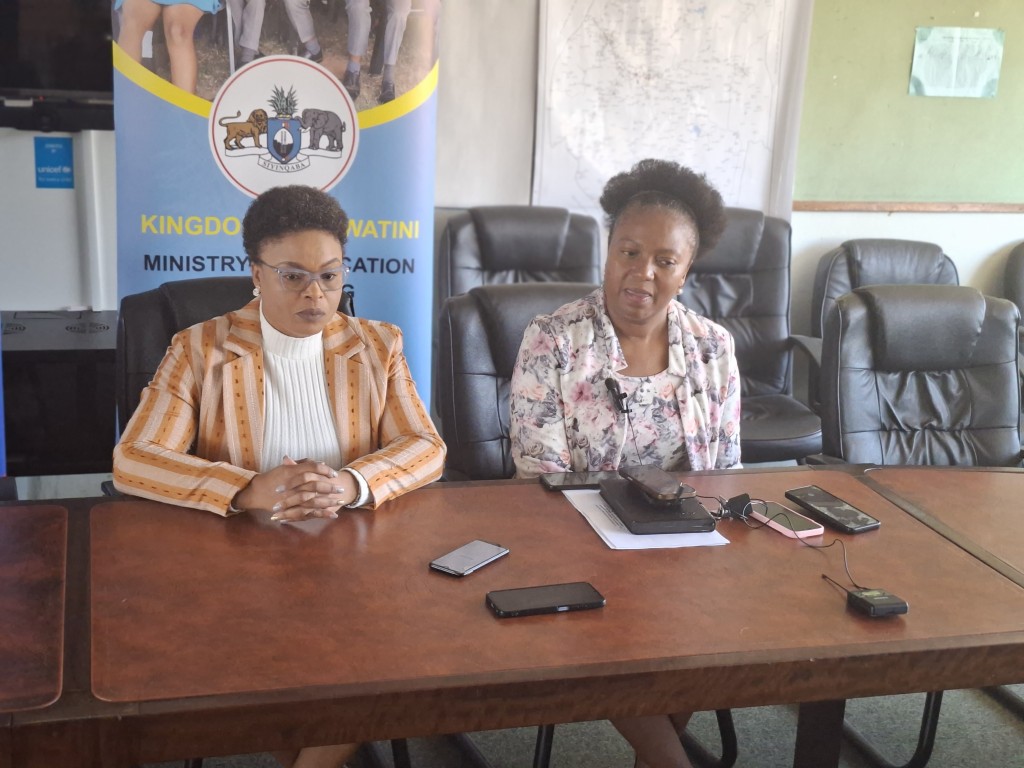
Explaining the programme, a ministry representative said the project extends beyond teacher
training and is intended to strengthen the institutional capacity of education systems across
Africa. “We, as a ministry, wrote a proposal to the European Union Regional Teachers Initiative
for Africa, which is a project that is ongoing and will end in 2030, where they strengthen
ministries of education all over Africa, ensuring that the teachers are the kind of teachers that we
want, the caliber of teachers that we require, and also promote quality education and training.”
The remarks reflect a growing recognition that education quality ultimately influences labour
productivity, innovation capacity and national competitiveness.
At the centre of the initiative is the development of an in-service training framework that will
guide how teachers and education personnel receive professional development throughout their
careers. Rather than conducting isolated workshops, the ministry intends to establish a structured
roadmap that identifies training priorities, implementation responsibilities and measurable
outcomes across its various departments. According to the ministry, “the team that we are with
today will be working on a technical area known as the development of the in-service training
framework, a framework that will be a roadmap on how training is supposed to happen within
the Ministry of Education under all the different departments.”
From a financial perspective, frameworks of this nature improve the efficiency of public
expenditure. Governments spend significant amounts annually on staff development, yet the
return on those investments is often difficult to measure when programmes are fragmented. A
unified framework allows resources to be directed toward clearly defined competencies while
providing a basis for monitoring performance and evaluating whether training investments are
translating into improved educational outcomes. For development partners, such governance
structures also strengthen accountability for donor-funded programmes.
The ministry further linked the initiative to the Government Programme of Action, which
identifies the development of human capital as one of the country’s strategic priorities. As the
ministry representative explained, “one of the pillars that the Government Programme of Action
emphasises for the Ministry of Education is capacitation of human capital. So this is one way we
are strengthening the Department of In-Service that is responsible for the training of all
personnel within the Ministry of Education and Training.” Investing in educators ultimately
represents an investment in the future workforce, since the quality of teaching shapes the
knowledge and skills of the next generation entering the economy.
Officials indicated that the framework will establish practical guidance on the skills teachers
require throughout their careers while aligning professional development with national education
objectives. “Therefore, we’ll be developing this framework to say how will teachers be trained,
what are the areas that they’re supposed to be trained on, and what are the key deliverables that
we were supposed to have,” the representative said, adding that the objective remains ensuring
“quality service delivery is given to all the learners in our schools.” Such an outcome has wider
economic implications, as stronger learning outcomes improve employability, productivity and
the long-term resilience of the labour market.

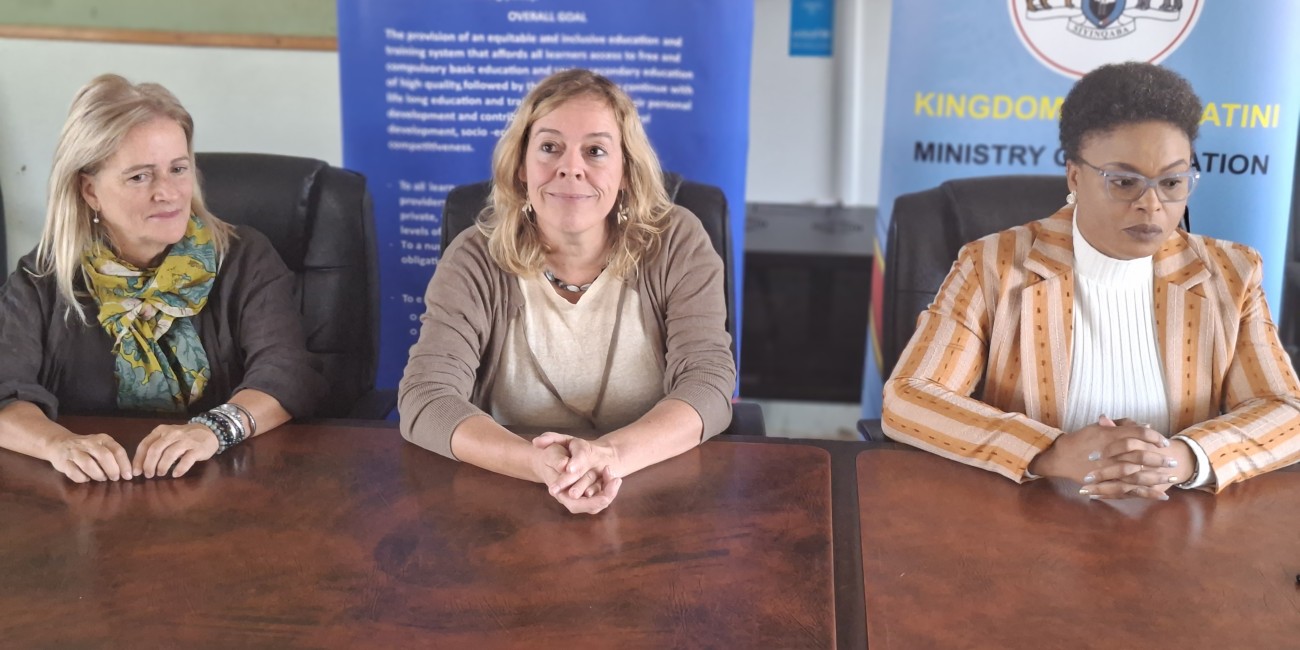
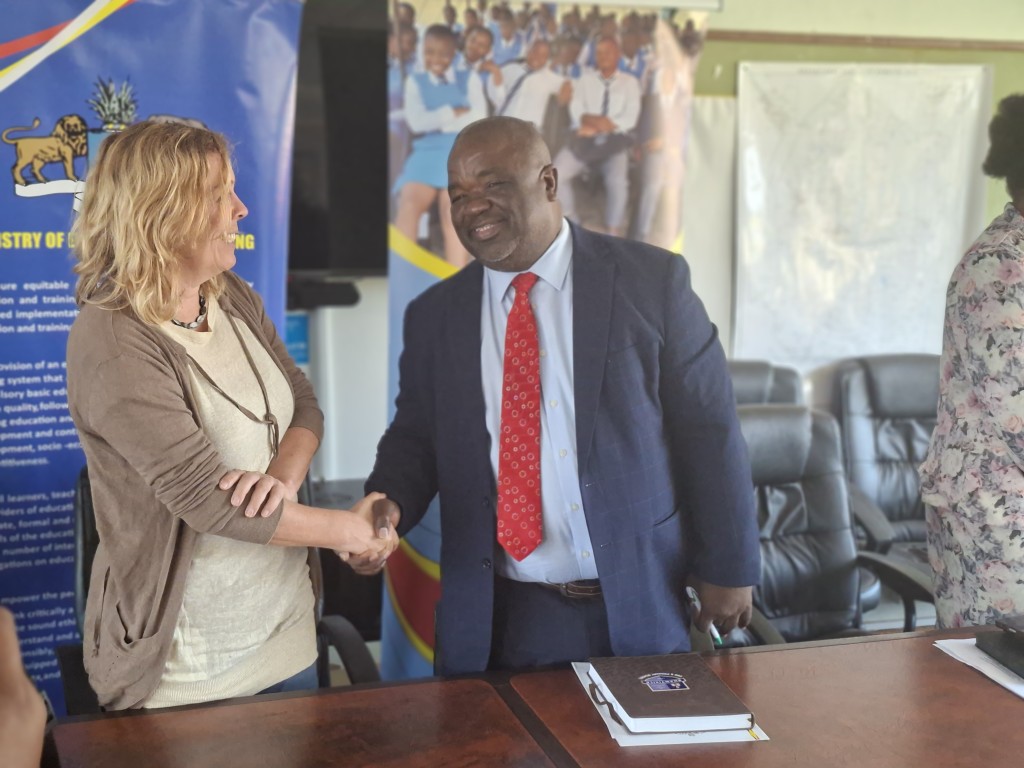
To support the exercise, the ministry has assembled international technical expertise with
experience implementing similar reforms across Africa. International consultant Angie Kumel
will lead the assignment alongside regional expert COSBEC, whose work has included education
system reforms in countries such as Zambia and The Gambia. According to the ministry, “this
team has been working all over Africa… They’ve actually got experience also working
internationally.” Drawing on proven regional experience reduces implementation risks while
allowing Eswatini to benefit from lessons learned in comparable education systems.
Importantly, ministry officials stressed that international expertise will not simply be imported
without adaptation. Instead, the framework will be designed around Eswatini’s own education
system and institutional realities. “We have seen it fit as a ministry to use this expertise to help us
capacitate. And obviously, we will be contextualising the work as well so that it fits our profile
and our context as Eswatini,” the representative said. That localisation is essential for ensuring
that policy reforms remain practical, financially sustainable and aligned with national
development priorities.
For investors and policymakers alike, the initiative illustrates a broader shift in how education
spending is increasingly viewed. Teacher development is no longer solely a social policy
intervention; it is becoming part of a country’s long-term economic strategy. By strengthening
institutional capacity, improving the effectiveness of public spending and investing in the
professionals responsible for developing future generations, Eswatini is positioning human
capital as one of its most valuable economic assets. In an increasingly knowledge-driven global
economy, the quality of teachers may ultimately become as important to national
competitiveness as physical infrastructure or financial capital.