




By: Nkosiyabusa Nsibande
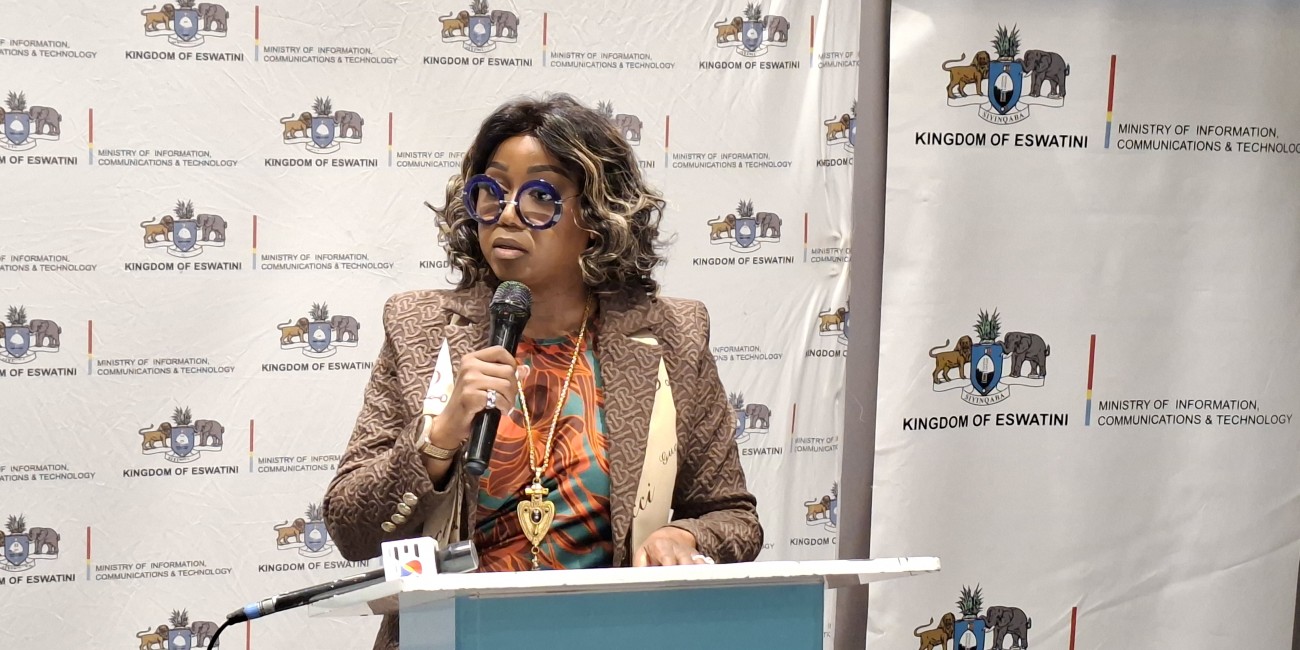
Minister of Information, Communication, and Technology Senator Savannah Maziya’s message that “you have to win all the time” was delivered in a light moment but quickly became a fitting theme for a much more serious discussion about Eswatini’s economic competitiveness. Maziya made the remark after a video was mistakenly played by one of the delegates shortly before she began her keynote address at the capacity-strengthening workshop for the operationalization of the Eswatini National Research Council at Hilton Garden Inn in Mbabane.
The comment drew a light reaction from the room, but the minister’s subsequent address shifted the focus to a more pressing question: What does Eswatini need to do to compete in an economy increasingly driven by research, technology, and innovation?
Her answer was that research cannot remain an academic exercise disconnected from economic outcomes. As Eswatini moves to operationalize its National Research Council, Maziya challenged researchers and policymakers to consider whether the country’s research investment is producing enough economic value.
She said government spending on research remains below 1% of its budget, describing the situation as a concern despite competing demands on public finances such as healthcare and education.
A functional research system should ultimately help the economy become more productive, develop new industries, commercialize ideas, and create employment.
Maziya questioned whether researchers are producing knowledge simply to obtain qualifications and academic recognition, or whether that knowledge is being translated into solutions that can change Eswatini’s economy.
She challenged researchers to think beyond producing PhDs and academic papers and instead consider how their work can create jobs, grow businesses, improve productivity, and strengthen the country’s position in global markets. That challenge comes at a time when technology is rapidly changing the structure of the global economy.
Maziya specifically raised concerns about artificial intelligence and what it could mean for African researchers and workers. She questioned whether AI would improve research, threaten jobs, or create new opportunities but placed particular emphasis on whether African countries would participate meaningfully in the technology economy.
For Eswatini, that raises a fundamental economic question: will the country develop technologies and businesses around AI or simply become a consumer of technologies developed elsewhere?
The minister also linked research to industrialization. She questioned why African economies continue to export raw materials while other countries process those resources into higher-value products and capture a larger share of the economic returns.
The implication for Eswatini are significant. Research and innovation can support the development of new products, production processes, and industries capable of moving the economy further up the value chain.
That could mean turning agricultural and plant resources into commercial products, developing technologies around local challenges, or building businesses around intellectual property and innovation. Maziya also connected research to the country’s employment challenges.
She questioned whether the education system is producing people equipped to create businesses and employment or graduates who are primarily trained to obtain qualifications and compete for existing jobs. This places the National Research Council within a much broader economic agenda.
The Council is being established as part of efforts to strengthen Eswatini’s National System of Innovation by improving coordination between government, universities, researchers, and other institutions.
If effectively operationalized, it could provide a stronger institutional mechanism for identifying national research priorities, coordinating research activity, and ensuring that research findings are more effectively connected to policy, industry, and economic development.
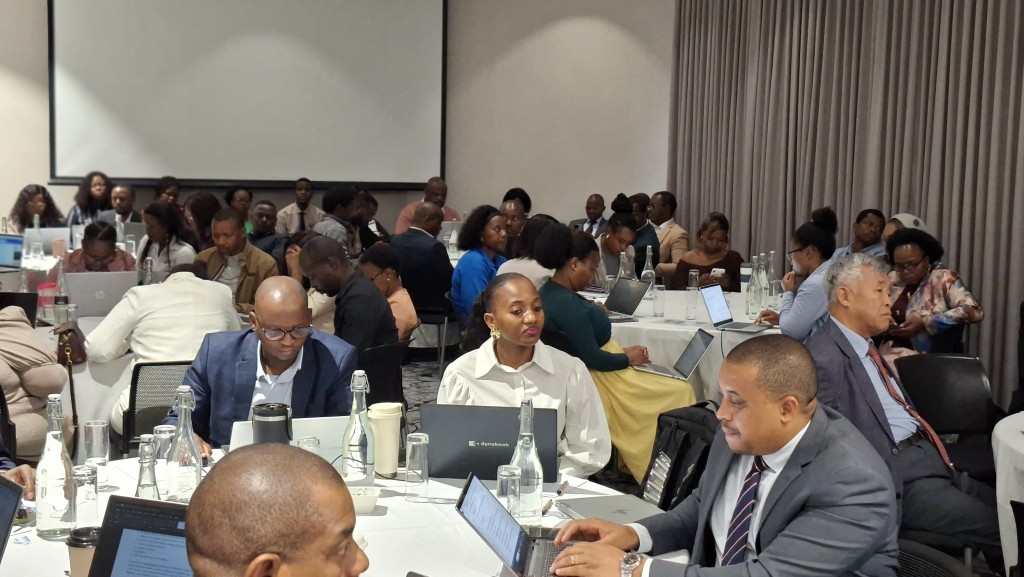
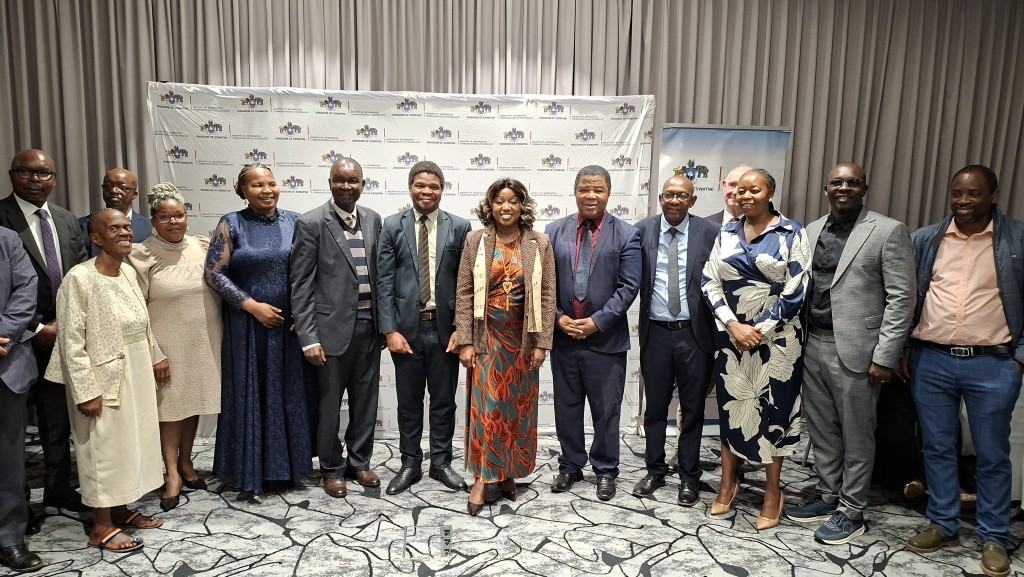
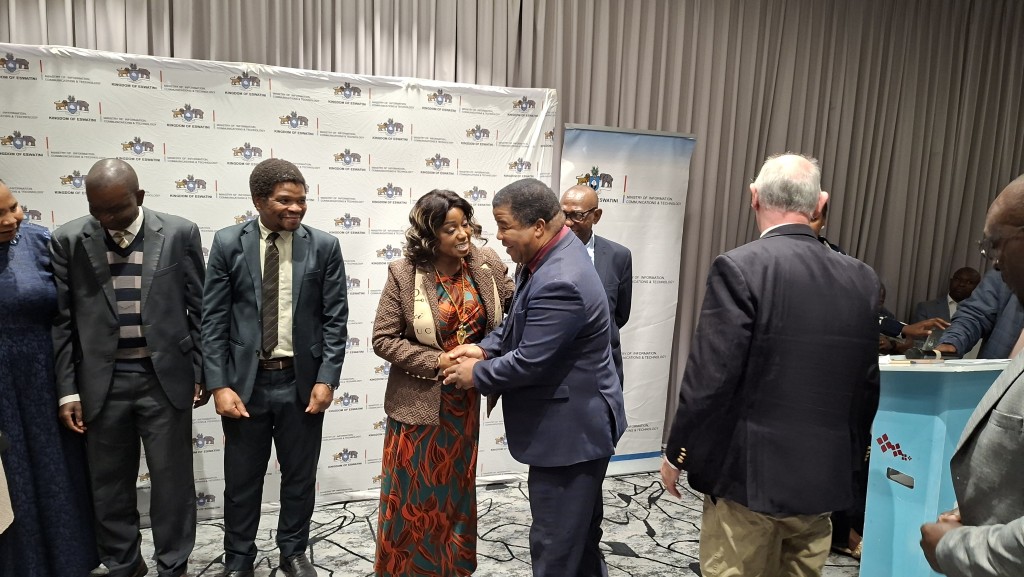
The four-day workshop, running from August 25 to 28, brings together government, academia, and research institutions to consider the role of the Council within the national innovation system. But Maziya’s remarks suggest that success should ultimately be measured beyond the establishment of another institution.
The bigger test will be whether research funded and conducted in Eswatini produces commercial opportunities, new technologies, stronger businesses, skilled jobs, and measurable improvements in productivity. That is where her opening remark takes on a deeper meaning.
“You have to win all the time” may have started as an off-the-cuff response to a mistakenly played video, but in her speech, it captures the competitive pressure facing economies that want to remain relevant. For Eswatini, winning does not necessarily mean competing with larger economies on their terms.
It means identifying areas where local knowledge, research, natural resources, and human capital can be converted into economic advantage. The operationalization of the National Research Council therefore presents an opportunity to move research closer to the center of economic policy.
The question now is whether Eswatini can turn that research infrastructure into economic infrastructure and ensure that the knowledge produced in the country does not remain on shelves but finds its way into businesses, products, policies, and jobs.